


Things to do in Comunanza
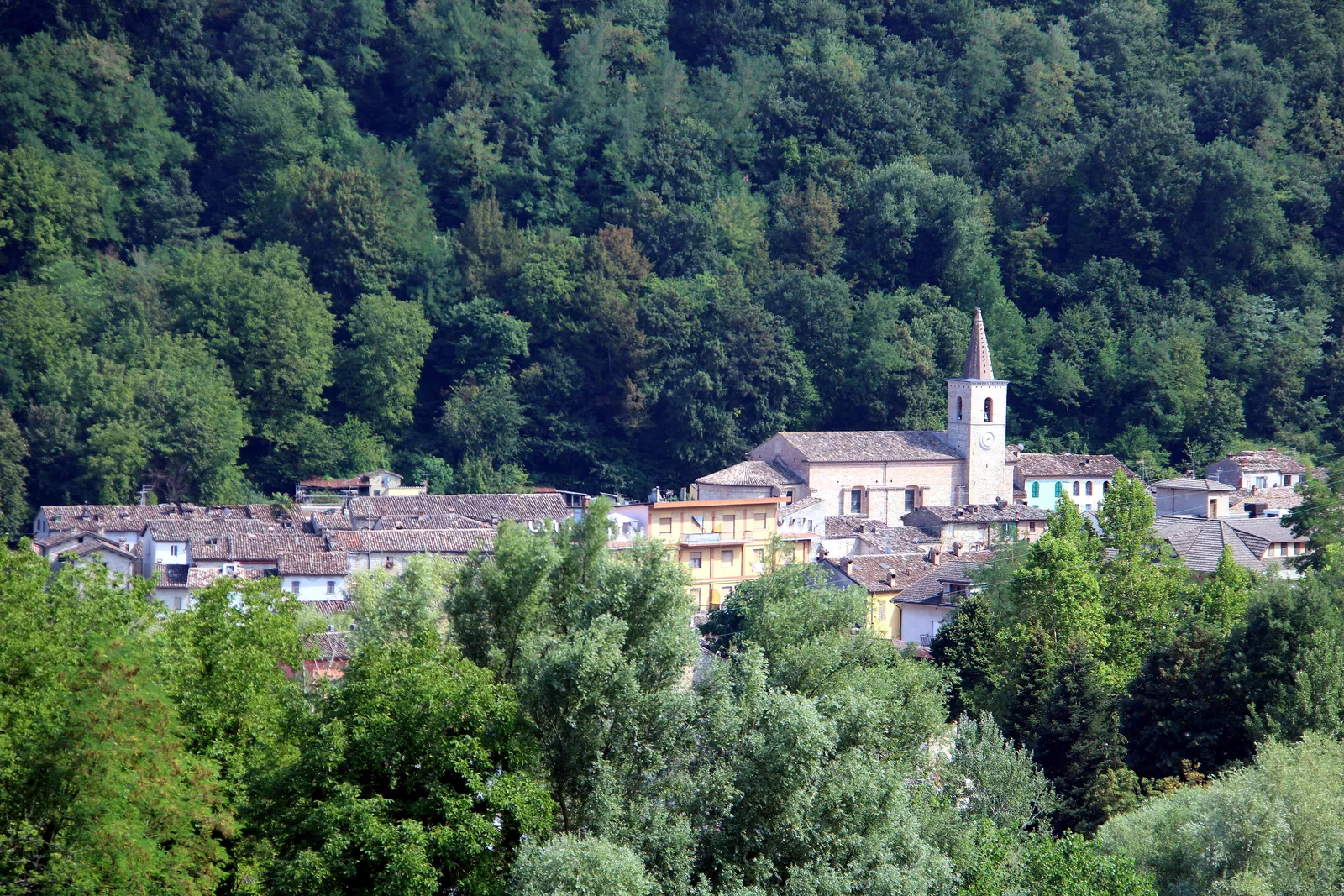
What are the things to do in Comunanza? The historic center overlooking the Aso river, with its churches and the sacred art museum at Palazzo Pascali, and the artificial lake of Gerosa. The village lies near the Sibillini Mountains National Park and is known as a town of longevity, for its high number of centenarians. It sits in a valley crossed by the Aso, with views of the Sibillini.
The town lies in the Aso valley and was very probably a Roman settlement. Arriving, the houses facing the river, the walls and the access bridge stand out, near the church of Santa Caterina d'Alessandria. The places to visit are mostly religious and cultural. Added to these are the natural setting of the lake and a few stages of long-distance walking routes that cross the municipality.
The places
5 results
- Ruins or archaeological siteArchaeological Area with Roman Baths (Comunanza)Ruins or archaeological site · Comunanza
- ChurchChurch of San Giovanni Battista (Comunanza)Church · Comunanza
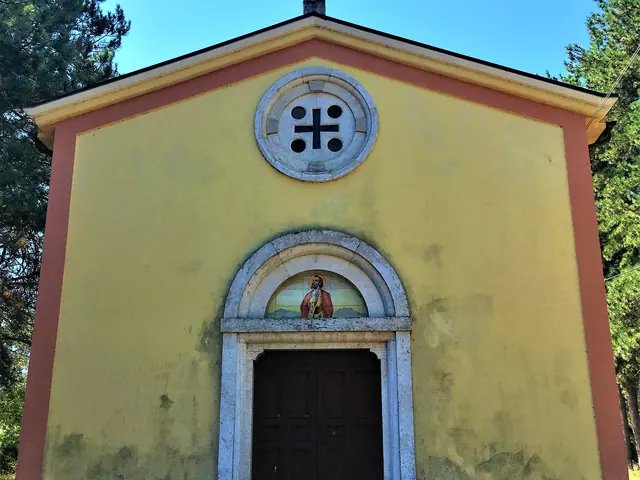 Church of San Pietro Apostolo (Comunanza)Church · Comunanza
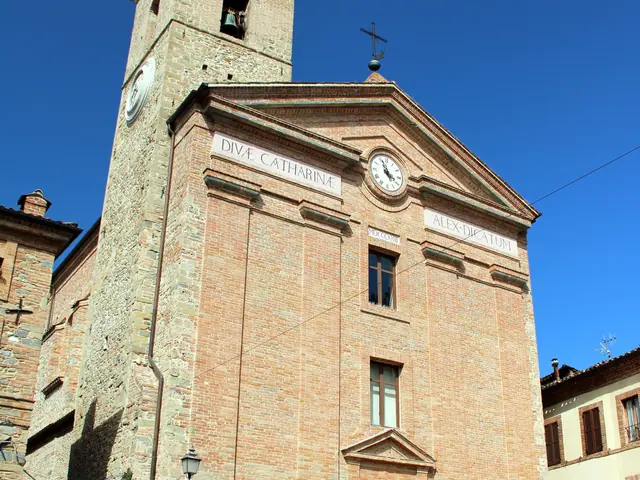 Church of Santa Caterina d'Alessandria (Comunanza)Church · Comunanza
- Museum or art galleryMuseum of Sacred Art, Pietro Spinucci Civic Library and Emidio Saladini Study Center (Comunanza)Museum or art gallery · Comunanza
No results with these filters.
On the map
Points from the site database. Map © OpenStreetMap contributors · Protomaps.
Things to see in Comunanza: the map
The map shows the location of the places described on this page. The sacred art museum is in the historic center, at Palazzo Pascali. The same building houses the public library on the raised ground floor. Churches and the archaeological area are described in the next section. Lago di Gerosa is a separate destination from the historic center and requires its own trip.
Things to see in Comunanza: the highlights
The historic center. Along the cobbled lanes are old stone houses, historic churches and squares. The town looks like a medieval village and stretches along the Aso river. For a first walk, start from the access bridge and the walls, then head up toward the churches and Palazzo Pascali.
Chiesa di Santa Caterina d'Alessandria. The church is neoclassical and was rebuilt in the 19th century. Santa Caterina d'Alessandria is the patron saint of Comunanza, celebrated on 25 November. The church is linked to the sacred art museum: the museum was founded to preserve the historic and artistic heritage from this church and from the Comunanza area. A dedicated page covers the church of Santa Caterina d'Alessandria.
The other churches. The church of Sant'Anna is late Romanesque in style. San Francesco was built on the remains of a fortified Templar building. San Francesco is a 13th-century church. Santa Maria a Terme dates from the 9th century: it was built in sandstone on the remains of a pagan temple. Its facade is richly decorated. The municipality also has the church of San Giovanni Battista and the church of San Pietro Apostolo, each with its own page.
Archaeological area with Roman baths. Comunanza has many archaeological finds that bear witness to the town's ancient origins. Excavations have uncovered Roman remains confirming the presence of bath settlements. Details on the site are on the page of the Area archeologica con Terme Romane (archaeological area with Roman baths).
Sacred art museum. The museum is at Palazzo Pascali and was founded in December 1999. It displays works and liturgical furnishings dating from the 15th to the 18th century. Highlights of the goldsmith work include an old temple-shaped reliquary and an 18th-century processional cross. There is also the San Liborio by Giuseppe Ghezzi (1634-1721), an artist born in Comunanza and active in Rome. In Rome, Ghezzi was principe of the Accademia di San Luca and a friend of Queen Christina of Sweden. The collection is completed by the 18th-century Stations of the Cross, painted in oil. To plan the visit, see the page of the Museo di arte sacra, which also covers the library.
Biblioteca civica Pietro Spinucci. The library opened to the public in July 2008. It is run by the Archeoclub d'Italia and occupies the raised ground floor of Palazzo Pascali. It grew from two donations: one from Pietro Spinucci, born in Comunanza and rector of the University of Foreign Languages of Verona, and one from the heirs of Emidio Saladini, Count of Rovetino. The collection includes American and European literature, 20th-century poetry, theater, art and nonfiction.
Lago di Gerosa. The lake is artificial and lies among the hills. Along the shores you can fish, picnic and walk. There are also play areas designed for families.
Long-distance walks. The territory of Comunanza is crossed by stage 7 of the Cammino Francescano della Marca and by the Grande Anello dei Borghi Ascolani, with Grande Anello dei Borghi Ascolani stage 2 and stage 3. Length, elevation gain and difficulty are given on each page.
Things to do in Comunanza: tips for the visit
Comunanza can be visited at any time of year. The town is mostly humid: in winter it is often covered in snow, while summer is hot. The mild seasons are better for the lake and walks. For churches, the museum and the historic center, the season matters less.
Palazzo Pascali brings museum and library together in a single building. The library also serves as a tourist information and welcome point, and guided tours of the rooms, the sacred art museum and the historic center are available on request. Library hours may change with the season. It is therefore wise to check the current hours before setting out. The church of Santa Caterina and the other places of worship should also be checked before visiting.
Those choosing dates around events can aim for three occasions. The Fiera degli uccelli (bird fair) is held on the first Sunday of October: the town fills with stalls and traffic in the center may be restricted. The living nativity on 26 December and the Mazzumaja involve the whole town and draw many visitors. On those days, allow extra time for getting around and parking.