


Sibillini Mountains History and Culture: Art and Legends
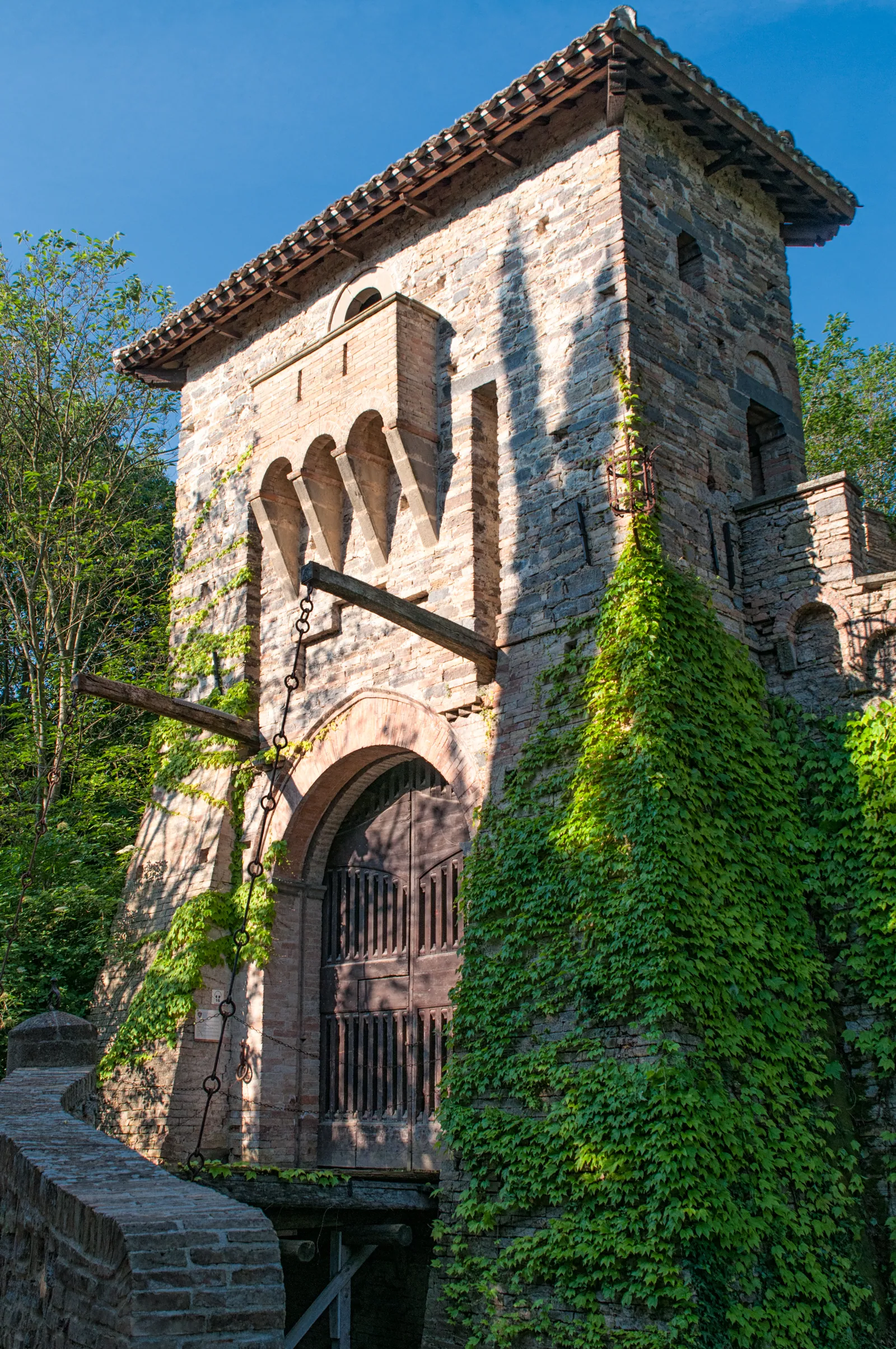
The history and culture of the Sibillini Mountains, with their art and legends, belong to a territory split between Le Marche and Umbria. The National Park, established in 1993, preserves abbeys, monasteries, churches, towers, castles, mills and tower houses. This is where the legend of the Apennine Sibyl was born, a prophetess said to have lived in a cave near the summit of Monte Sibilla. The 2016 earthquake struck many of these places: some have been rebuilt, others are still under restoration.
In this section
14 results
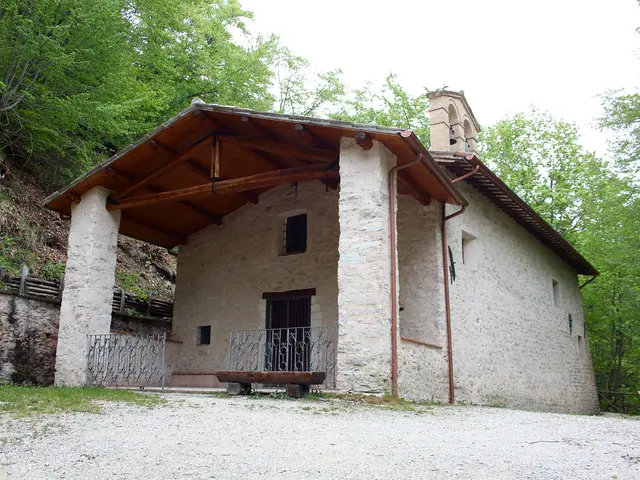 Abbeys and Monasteries of the Sibillini8 places
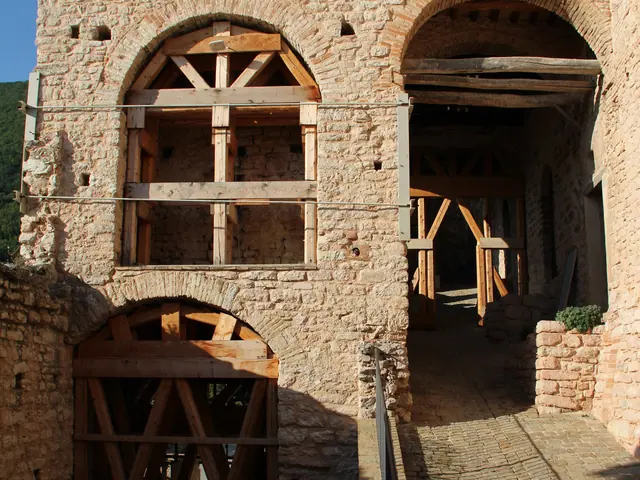 Castles and fortresses of the Sibillini Mountains37 places
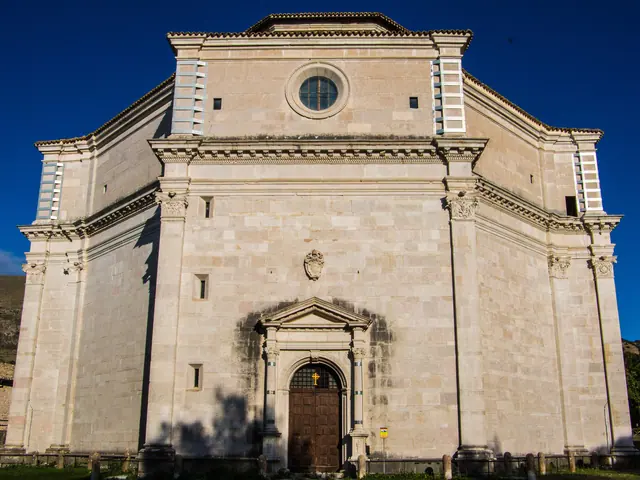 Churches of the Sibillini Mountains228 places
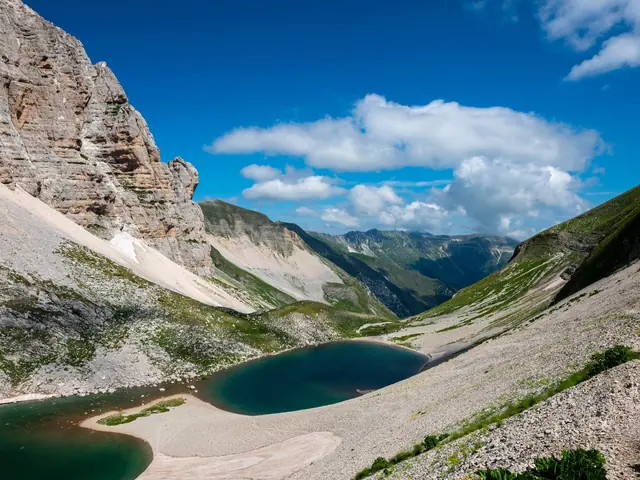 Legends of the Sibillini Mountains5 places
- Monuments of the Sibillini Mountains4 places
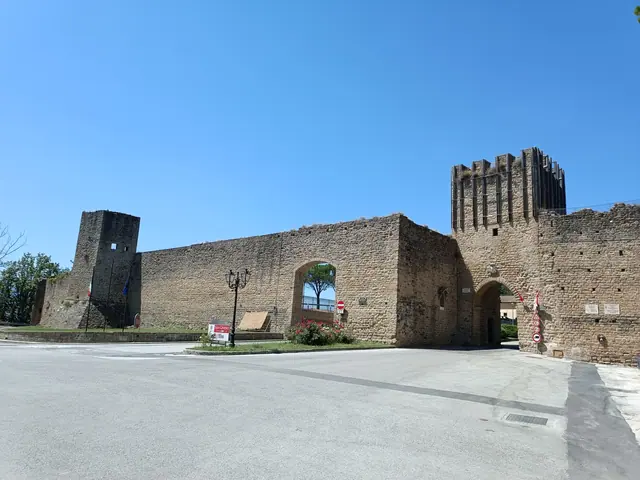 Medieval walls and gates of the Sibillini8 places
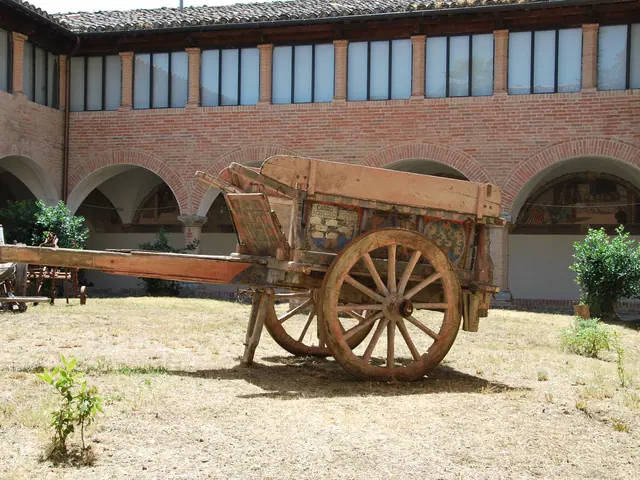 Museums in the Sibillini Mountains34 places
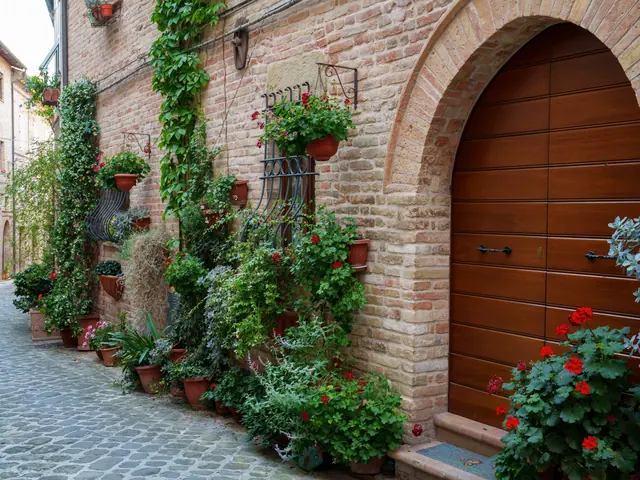 Palaces and squares of the Sibillini3 places
- Bridges and Mills of the Sibillini3 places
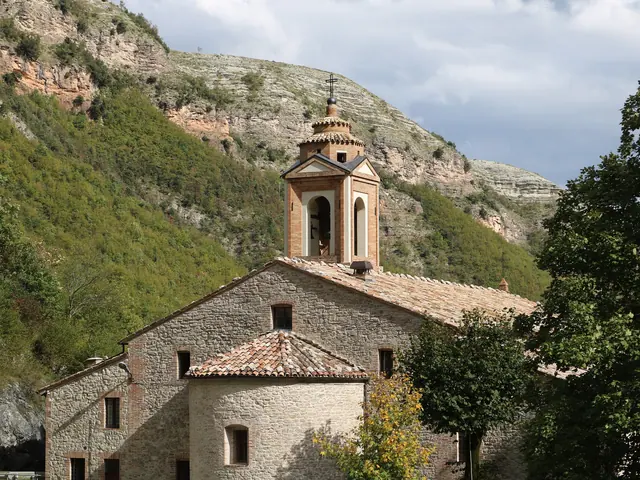 Sanctuaries and Hermitages of the Sibillini5 places
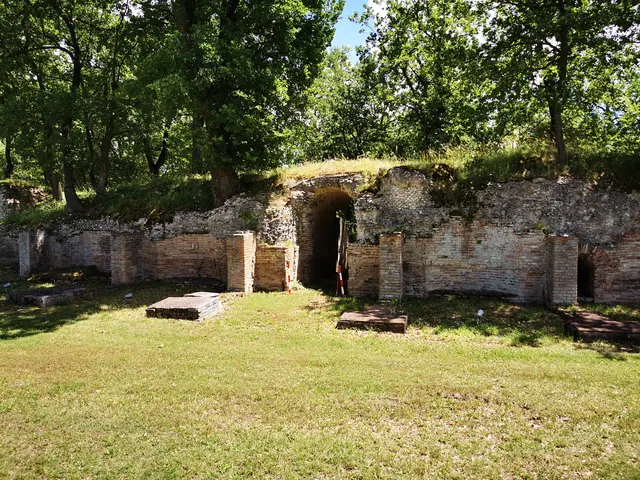 Archaeological Sites of the Sibillini28 places
- Sibillini Mountains History4 places
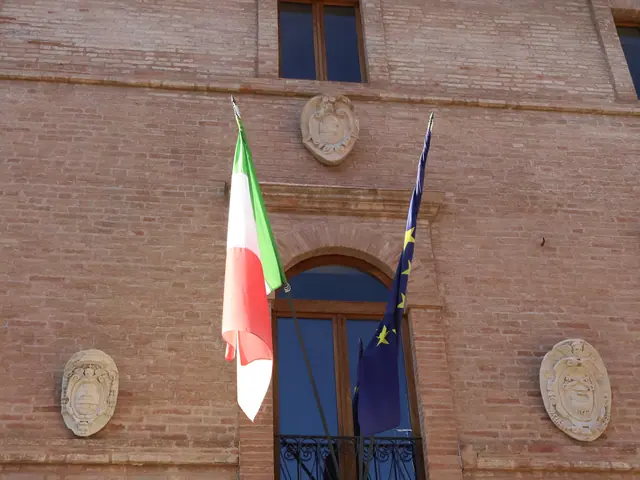 Historic Theaters of the Sibillini12 places
- The 2016 Umbria and Marche Earthquake and the Reconstruction of the Sibillini MountainsGuide
No results with these filters.
Museums of the Sibillini Mountains
The Museo della Grotta della Sibilla in Montemonaco is located at Villa Curi and is dedicated to the Apennine Sibyl. It displays the Gran Pietra, a stone slab found in Lago di Pilato carved with the names of three knights from Spoleto. The museum is closed for restoration: in 2025 a seismic upgrade project was approved.
In Visso, the Museo civico diocesano (civic and diocesan museum) is housed in the church of Sant'Agostino and holds about 130 works. After the severe damage of 2016-2017 it was closed, and almost all the works were moved to safety in a storage facility in San Severino Marche.
Castles and fortresses of the Sibillini Mountains
Between Visso, Ussita and Castelsantangelo sul Nera, the people of the valleys built castles and watchtowers to defend themselves against Saracen raids. Many villages enclosed themselves within walls with towers and gates. In isolated areas, tower houses were built instead. Among the best-known fortifications is the Rocca (fortress) of Arquata del Tronto.
Abbeys and monasteries of the Sibillini Mountains
The Abbazia di Sant'Eutizio, in Val Castoriana in the municipality of Preci, grew up where in the 5th century the Syrian monk Spes built an oratory dedicated to the Virgin. Its library produced the Confessio Eutiziana, one of the oldest texts written in the Italian vernacular. The 2016 earthquakes damaged it severely, and recovery work began in December 2022. In Amandola, in Val Tenna, the abbey of Santi Ruffino e Vitale preserves frescoes from the Ottonian period.
Sanctuaries and hermitages of the Sibillini Mountains
The Santuario di Macereto stands at about 1,000 m above sea level near Visso. According to tradition, in 1359 a mule carrying a statue of the Madonna knelt here and refused to move on. Construction began in 1529 on a design by Giovan Battista da Lugano, who reworked a 1505 drawing by Bramante. After the 2016 earthquake the sanctuary was declared closed to visitors. In the Santuario della Madonna dell'Ambro, the frescoes of the Cappella dell'Apparizione depict the twelve sibyls.
Churches of the Sibillini Mountains
The Basilica of San Benedetto in Norcia was built over the saint's house. The earthquake of October 30, 2016 destroyed 80% of it. Rebuilt reusing the original materials, it reopened at the end of October 2025. In San Ginesio, the Collegiata is the only church in Le Marche in the florid Gothic style.
Archaeological sites of the Sibillini Mountains
In the rebuilt crypt of the Basilica di San Benedetto, a section of Roman wall in opus reticulatum and nine finds discovered during the works can be seen.
Palaces and squares of the Sibillini Mountains
Piazza San Benedetto in Norcia is overlooked by the Portico delle Misure, the Palazzo Comunale (town hall), of medieval origin, and the Castellina. There is also the Co-Cathedral of Santa Maria Argentea, whose reconstruction started in 2024.
Theaters of the Sibillini Mountains
In San Ginesio the Teatro Comunale overlooks Piazza Alberico Gentili, while Norcia has the Civic Theater. The La Fenice theater in Amandola has an elliptical auditorium with three tiers of boxes; it has been unsafe since the 2016 earthquake and cannot be visited.