


Historic Theaters of the Sibillini
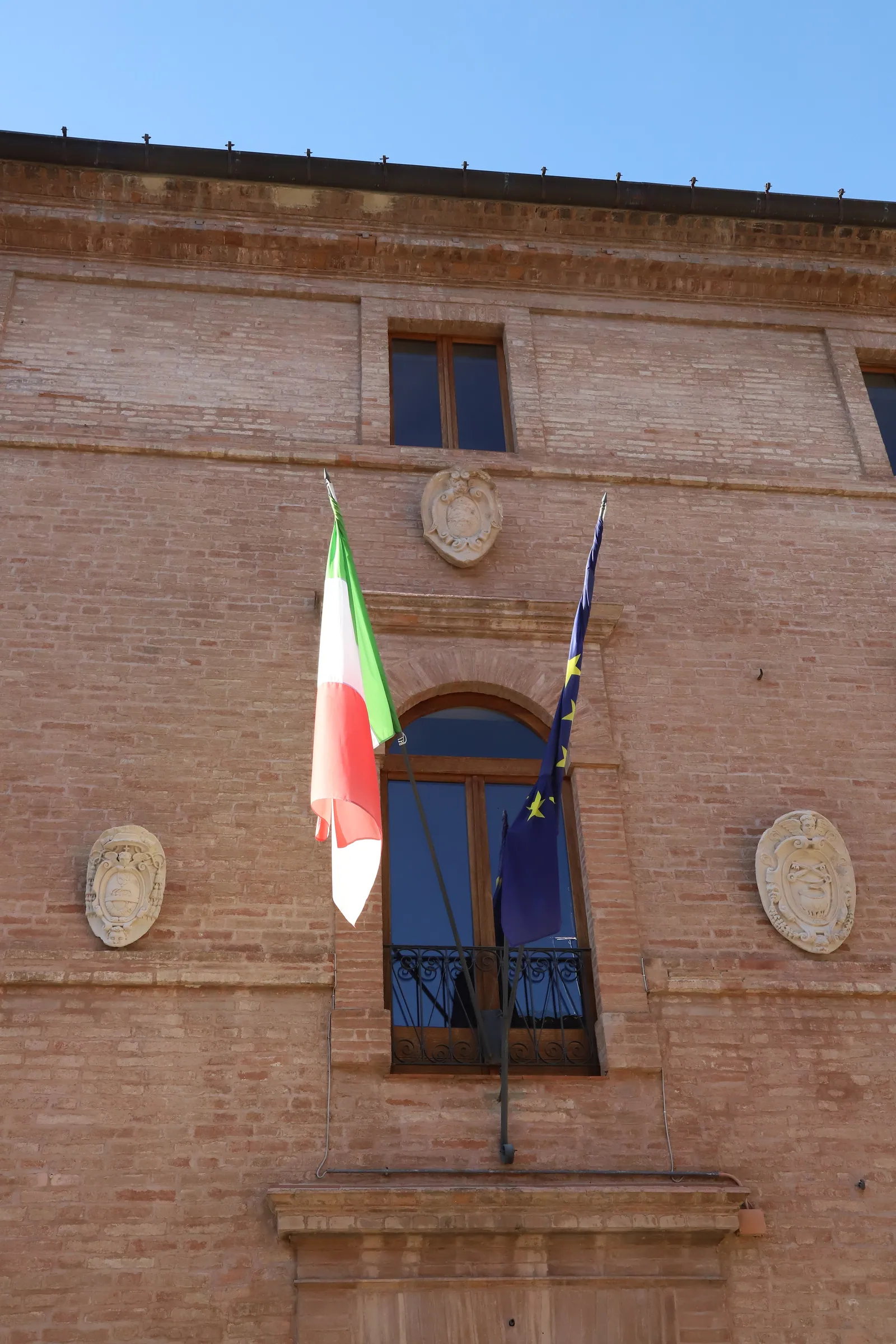
The historic theaters of the Sibillini are period auditoriums scattered across Camerino, Amandola, Sarnano, San Ginesio, Caldarola and Norcia. To these can be added the Mulinaccio, an amphitheater along the Sentiero di Santa Rita in Cascia. The standout is the Teatro Civico in Norcia, closed by the 2016 earthquake and reopened on May 24, 2026. In Camerino the Teatro Filippo Marchetti has a horseshoe-shaped auditorium with an archaeological area beneath the stage. In Amandola the Teatro La Fenice has an elliptical auditorium with three tiers of boxes.
Before visiting these theaters, keep in mind that their opening status varies from place to place. Some were hit by the 2016 earthquake, and the situation is described in the sections below.
The places
12 results
- Theater or auditoriumIl Mulinaccio amphitheater on the Sentiero di Santa Rita (Cascia)Theater or auditorium · Cascia
- Theater or auditoriumParish Theater (Caldarola)Theater or auditorium · Caldarola
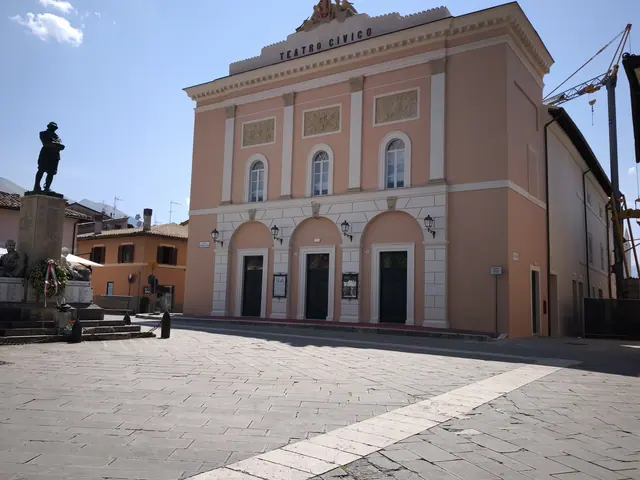 Civic Theater (Norcia)Theater or auditorium · Norcia
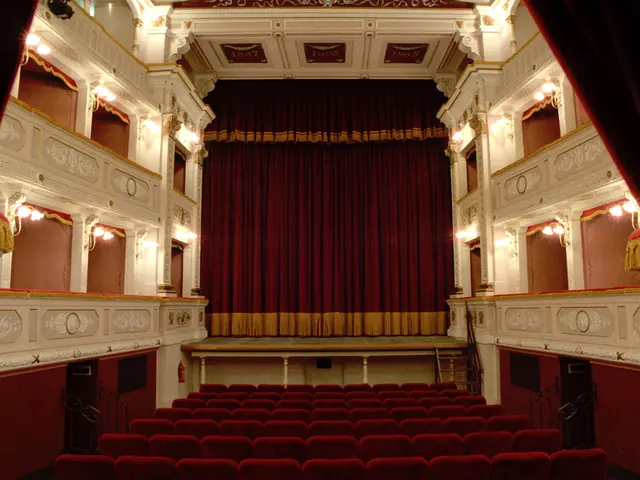 Municipal Theater (Caldarola)Theater or auditorium · Caldarola
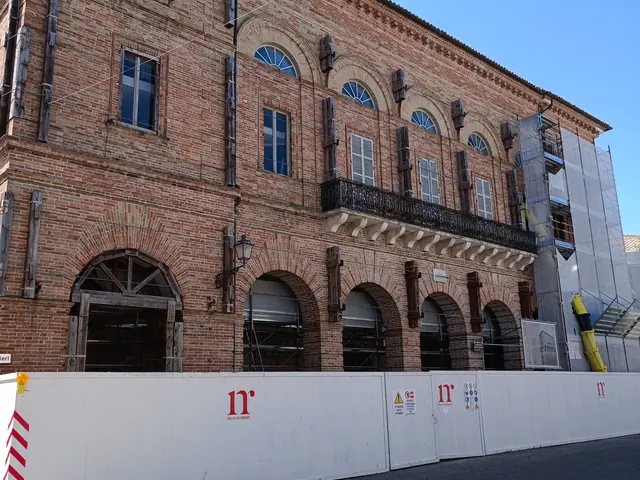 Giacomo Leopardi Municipal TheaterTheater or auditorium · San Ginesio
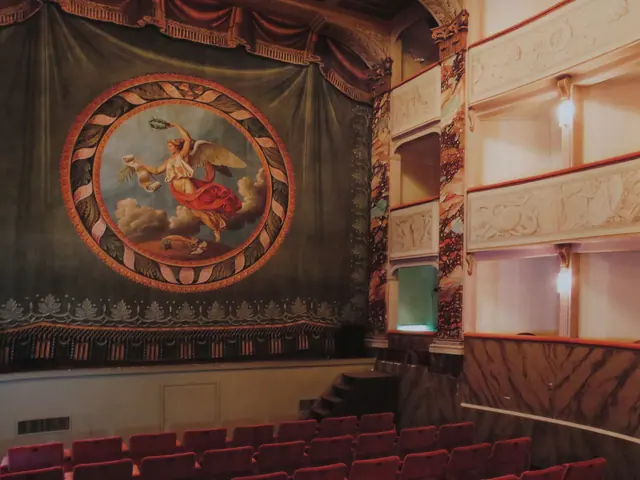 Vittoria Theater in SarnanoTheater or auditorium · Sarnano
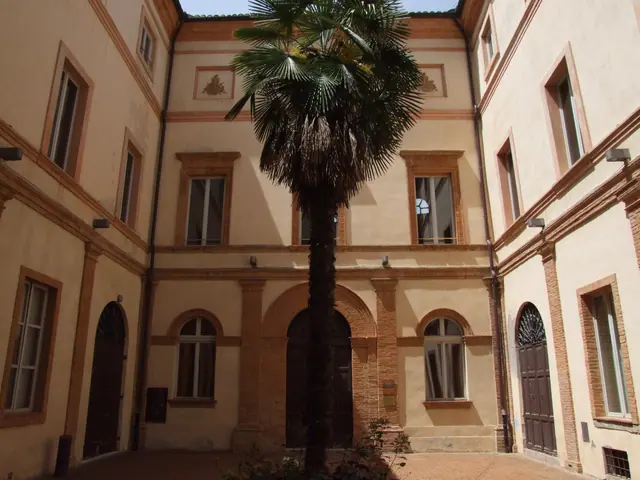 Filippo Marchetti Theater in CamerinoTheater or auditorium · Camerino
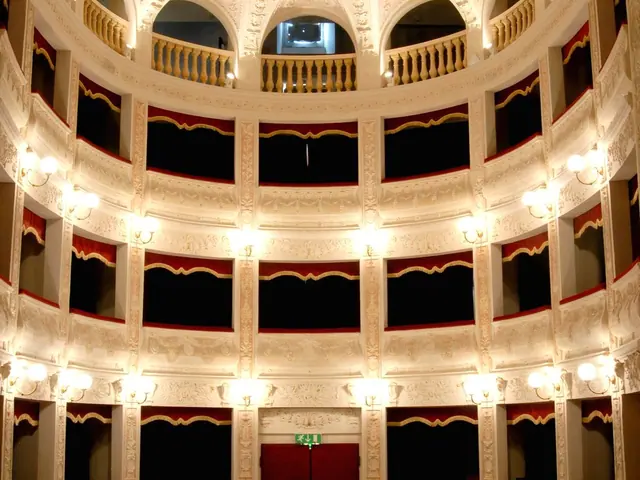 La Fenice Theater in AmandolaTheater or auditorium · Amandola
- Theater or auditoriumAuditorium Mons. Silvano Montevecchi, Ascoli PicenoTheater or auditorium · Ascoli Piceno
- Theater or auditoriumAuditorium San Leonardo, Ascoli PicenoTheater or auditorium · Ascoli Piceno
- Theater or auditoriumFilarmonici Theater (Ascoli Piceno)Theater or auditorium · Ascoli Piceno
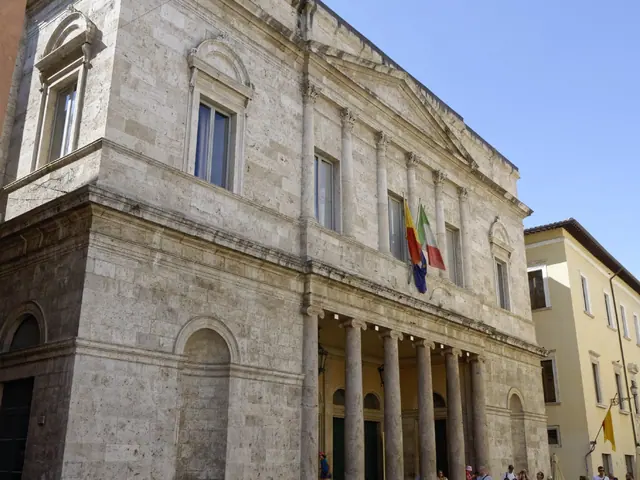 Ventidio Basso Theater (Ascoli Piceno)Theater or auditorium · Ascoli Piceno
No results with these filters.
On the map
Points from the site database. Map © OpenStreetMap contributors · Protomaps.
Historic theaters of the Sibillini: the map
The theaters can be grouped by municipality. In the Macerata area are Camerino with the Filippo Marchetti Theater, Sarnano with the Vittoria Theater and San Ginesio with the Teatro comunale Giacomo Leopardi. Caldarola has two venues, the Municipal Theater and the Parish Theater.
Camerino is in the province of Macerata. Amandola, with the La Fenice Theater, is in the province of Fermo. Toward the Valnerina, in Umbria, is the Civic Theater in Norcia. Finally, in Cascia, Il Mulinaccio is an amphitheater along the Sentiero di Santa Rita.
Camerino, Amandola and Norcia are quite far apart. Anyone wanting to see more than one should plan the visits by area.
Historic theaters of the Sibillini: the places not to miss
Teatro Civico, Norcia. The theater was founded in the second half of the 18th century at the wish of the Prefetto della Montagna, Angelo de' Principi Altieri. It was rebuilt after the 1859 earthquake and suffered a devastating fire in 1952. Rebuilt again between 1975 and 1996, it reached about five hundred seats. The 2016 earthquake damaged it, with the partial collapse of a masonry vault on the Via Novelli side. The work involved structural consolidation, seismic upgrading, new acoustics for the stalls and gallery and replacement of the seats, at a cost of over 2.2 million euros. The reopening on May 24, 2026 featured the play "Lu Santo Jullàre Françesco" by Dario Fo and Franca Rame.
Teatro Filippo Marchetti, Camerino. The theater was designed in 1845 by the architect Vincenzo Ghinelli; it has a horseshoe plan and was inaugurated in 1856. It replaced the La Fenice theater, a wooden structure from 1728. When it opened it was called La Nuova Fenice. In 1881 it was dedicated to the composer Filippo Marchetti, born in Bolognola, with a staging of his Ruy Blas. The auditorium's present appearance dates from the 1905 redecoration, with scenes from Ruy Blas on the ceiling. The area beneath the stage holds an archaeological area that came to light during restoration and expansion work.
Damaged by the 2016 earthquake, the theater has remained closed and is awaiting restoration, together with the town hall. Before planning a visit, check whether it has reopened.
Teatro La Fenice, Amandola. Theatrical activity in Amandola is documented at least from the 16th century, with performances in the great hall of the town hall. The present auditorium follows the 19th-century model, with an elliptical plan, three tiers of boxes and a gallery-style upper circle. The theater was inaugurated as the "Teatro dei Signori Condomini La Fenice". The ceiling decoration, with stucco festoons, putti and medallions, is by Vincenzo Pascucci of Amandola.
The other theaters. For Sarnano, San Ginesio, Caldarola and the Mulinaccio in Cascia, the pages devoted to each place, linked above, are the starting point for more detail.
Historic theaters of the Sibillini: visiting tips
The first tip is to check the opening status of each theater before setting out. After the 2016 earthquake some auditoriums remained closed for a long time: Norcia reopened only in 2026, while in Camerino the theater is still closed because of the damage. In Amandola the Teatro La Fenice has been unusable and closed since the August 2016 earthquake.
Many of these theaters are performance venues rather than museums. Getting in may require a guided tour or a scheduled event, so it is useful to check the program beforehand.
To see the theaters in the context of their area, start from the page on the 2016 earthquake and reconstruction and the section History, art and legends of the Sibillini.