


Le Marche Weather and Climate
Le Marche weather changes more with altitude and distance from the sea than with latitude. In a short drive the landscape climbs from the Adriatic beaches through the hills to Apennine peaks above 2,000 m, and each band has its own climate. Overall the climate is temperate: milder and more Mediterranean on the coast, more continental inland, where winters in the mountains are cold and often snowy. For the coming days, see the forecast on this page.
This site covers the Sibillini Mountains and their surroundings, in the southwest of the region. This page describes the climate of the whole region and points to the site's weather pages for the Sibillini towns, where conditions can differ a great deal from the coast.
On the map
Points from the site database. Map © OpenStreetMap contributors · Protomaps.
Marche Italy weather: coast, hills and mountains
On the coast, summer is the beach season, and the seaside resorts from Gabicce Mare to San Benedetto del Tronto have welcomed bathers since the 19th century. The hills behind the coast, with their olive groves and vineyards, have a climate in between, with the grape harvest at the end of summer. Inland, the climate becomes mountain-like: long, cold winters and short, warm summers.
The regional agrometeorological service (Servizio Agrometeo of Regione Marche) collects weather data from stations across the region, from Pesaro and Ancona to the inland hills, and publishes monthly and seasonal climate analyses. These reports are the official reference for how each month compared with the norm.
Marche Italy weather in the Sibillini Mountains
The Sibillini are the coldest and snowiest part of the region. Sarnano weather shows the pattern: the village, at 539 m, has average highs around 28 °C at the peak of summer and around 8 °C in January and February, with nighttime lows close to 0 °C. When cold air arrives from the northeast, the mountains behind the town force it upward and snowfall can be heavy.
Visso weather is that of an inland mountain basin, with long winters and nights often below freezing, while Amandola weather, at the foot of the eastern side, brings long, very cold winters and short, mostly clear summers. Annual precipitation in the Sibillini ranges from 800 to 1,400 mm. An overview by town and altitude is on Sibillini Mountains weather.
Le Marche snow and winter
Le Marche snow falls mainly in the Apennines. In the Sibillini it is concentrated from November to April, with a peak in January and February, and on high routes leftover snow is common until June. The main ski areas are Piani di Ragnolo, Monte Prata, Pintura di Bolognola, Sarnano-Sassotetto, Frontignano di Ussita and Forca Canapine in the Sibillini, and Monte Catria, Monte Nerone and Montecopiolo in the province of Pesaro e Urbino. Many of the region's ski areas are in the provinces of Macerata and Ascoli Piceno.
Before going off the slopes, check the avalanche danger: Regione Marche publishes avalanche danger bulletins during the season. The page on Sibillini Mountains snow explains the snow line and conditions.
Best time to visit Le Marche
The best time to visit Le Marche depends on the trip. In spring Monte Conero is covered with broom, and near Sarnano orchids flower on the Piani di Ragnolo from late May to mid-June. Summer is the season for the beaches and for hiking at altitude: in the Sibillini, July and August bring open huts and trails free of snow, but afternoon thunderstorms are frequent. The Grande Anello dei Sibillini is recommended from May to October.
Autumn brings foliage to the hills and beech woods and the truffle fairs of Acqualagna, Sant'Angelo in Vado, Pergola and Amandola. In winter many small villages set up nativity scenes and the mountains open for skiing.
Best time to visit Marche Italy: practical tips
For the coast, the warm months are the obvious choice. For the mountains, plan around altitude: the weather in a valley village says little about the passes. The page on the best time to visit the Sibillini Mountains gives the season-by-season detail, and the regional pages cover things to do in Le Marche and Le Marche hiking.
Villages in the region
24 results
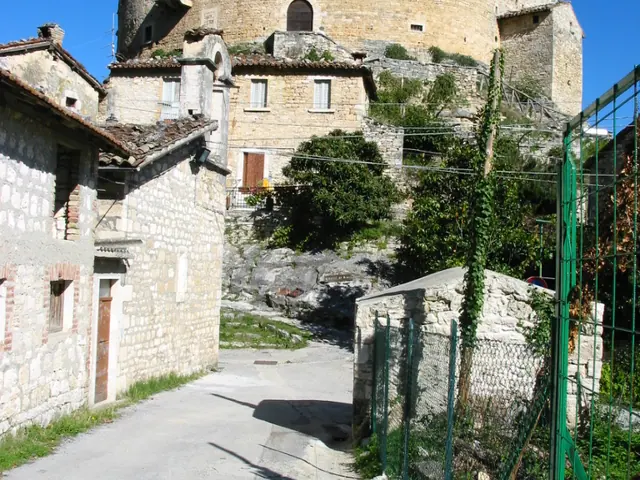 Acquasanta TermeLe Marche · Ascoli Piceno
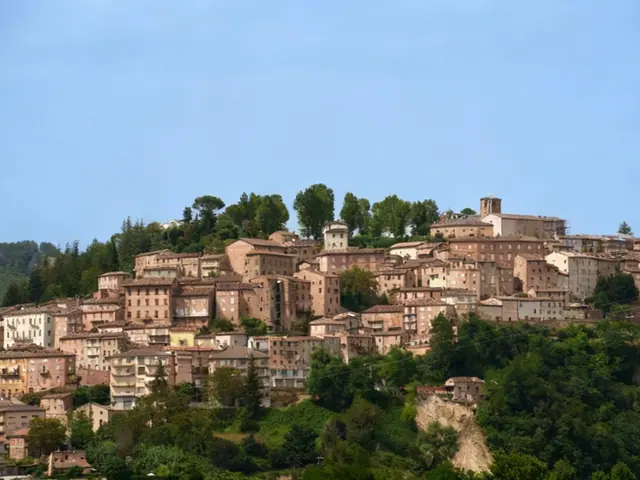 AmandolaLe Marche · Fermo
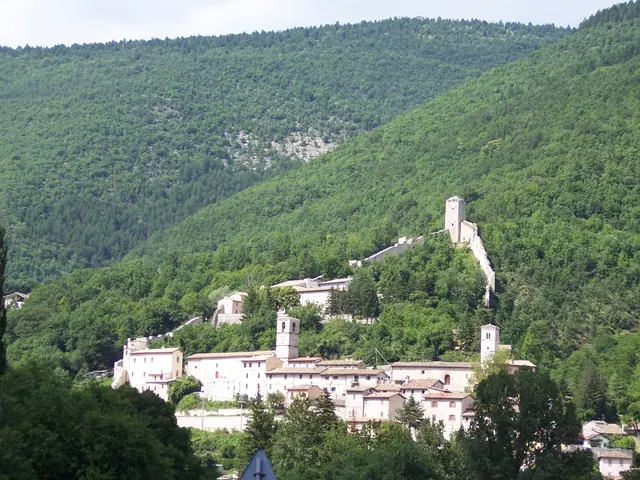 Arquata del TrontoLe Marche · Ascoli Piceno
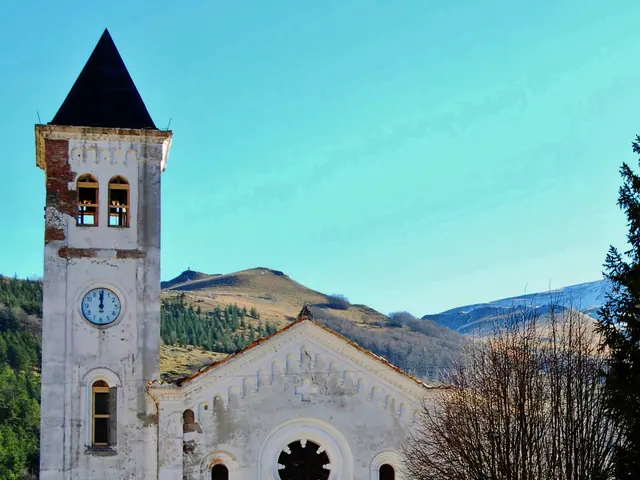 BolognolaLe Marche · Macerata
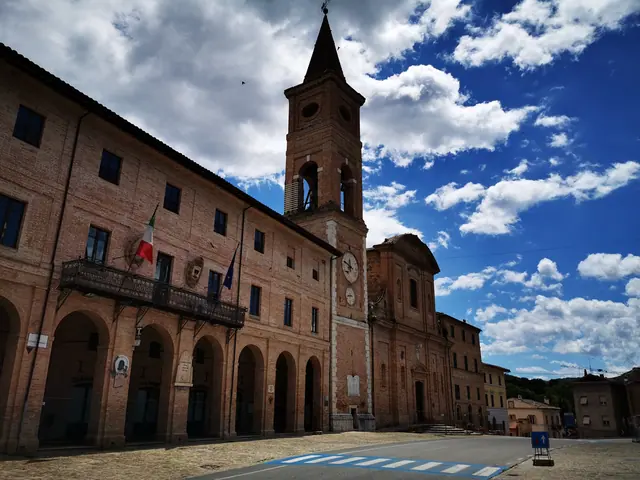 CaldarolaLe Marche · Macerata
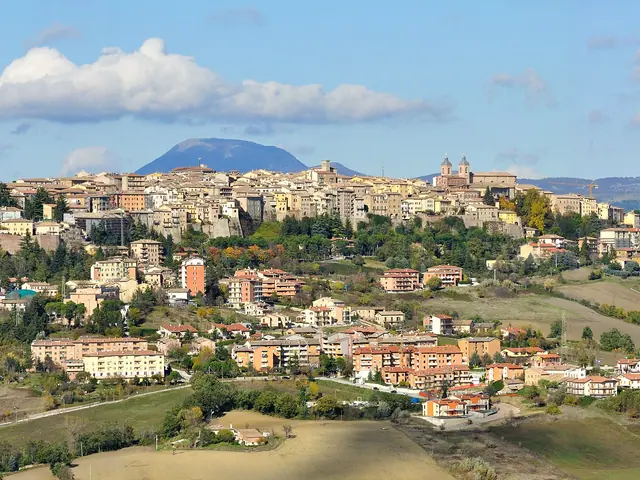 Camerino, ItalyLe Marche · Macerata
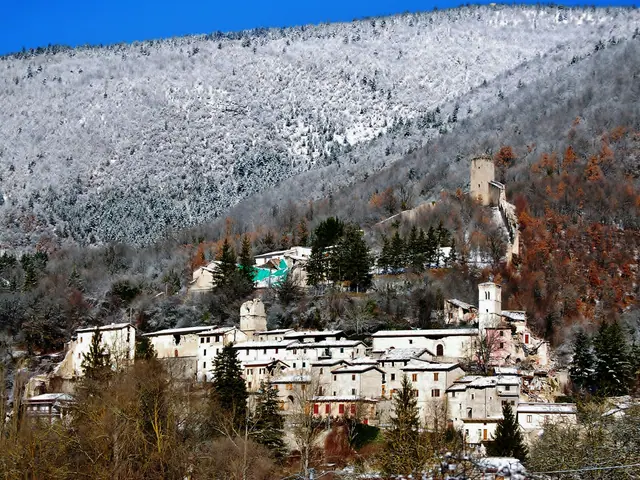 Castelsantangelo sul NeraLe Marche · Macerata
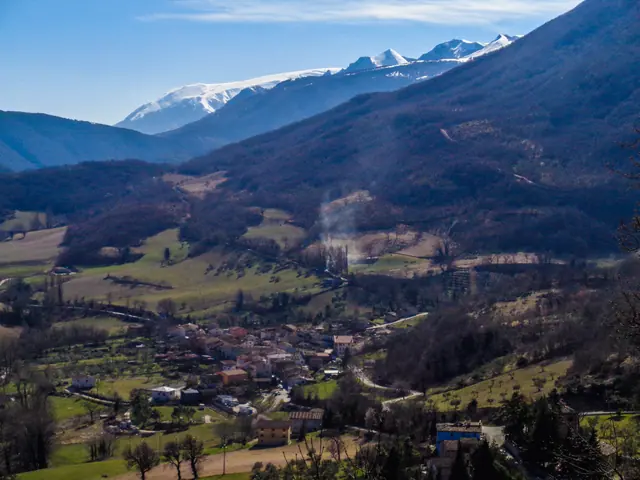 CessapalomboLe Marche · Macerata
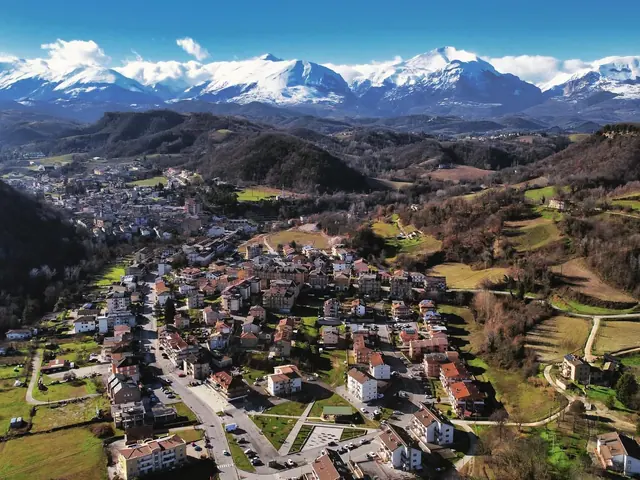 ComunanzaLe Marche · Ascoli Piceno
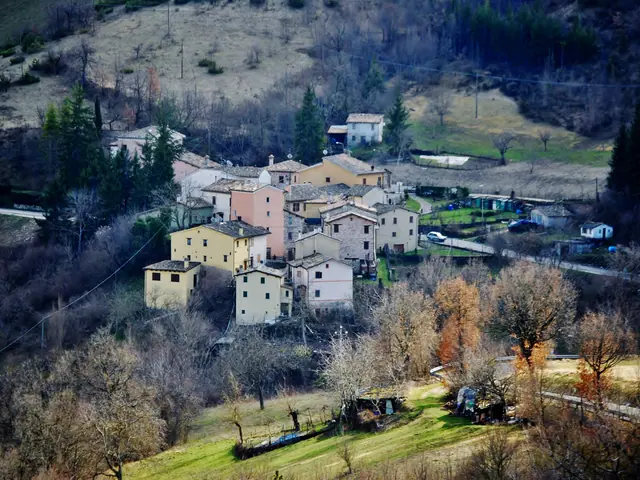 FiastraLe Marche · Macerata
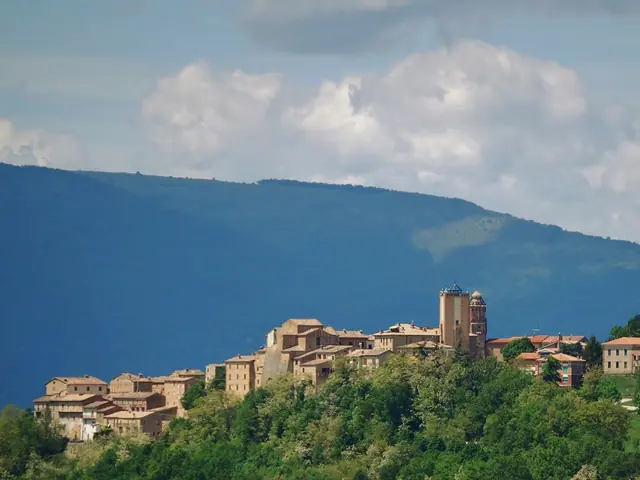 GualdoLe Marche · Macerata
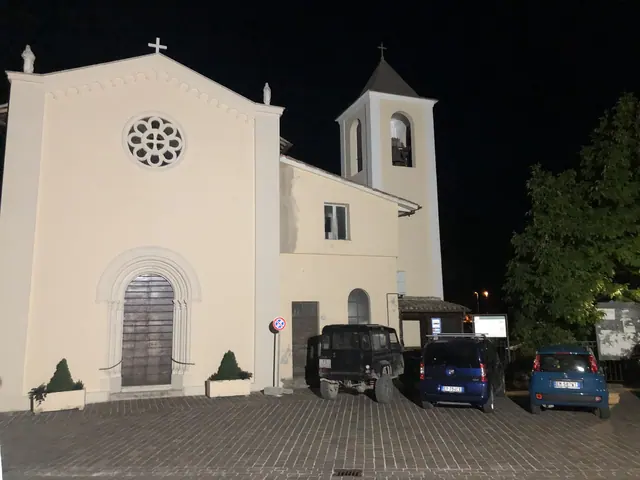 Monte CavalloLe Marche · Macerata
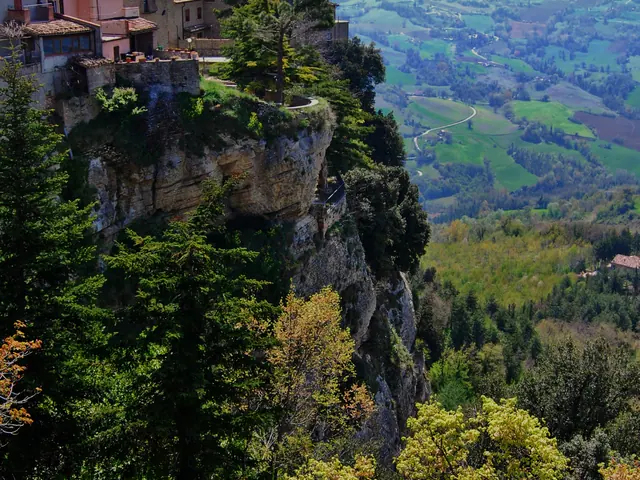 Montefalcone AppenninoLe Marche · Fermo
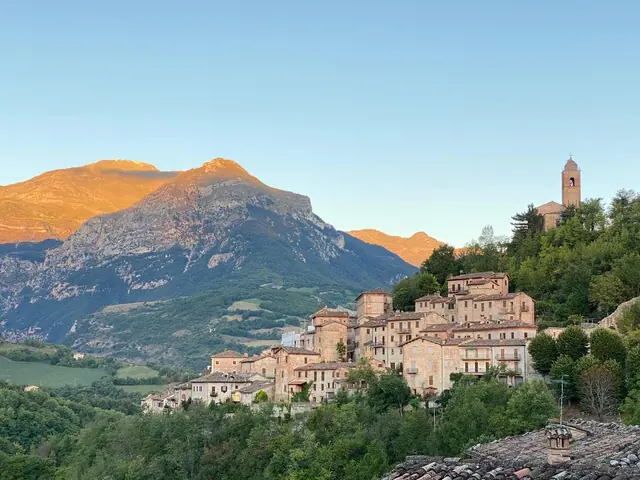 MontefortinoLe Marche · Fermo
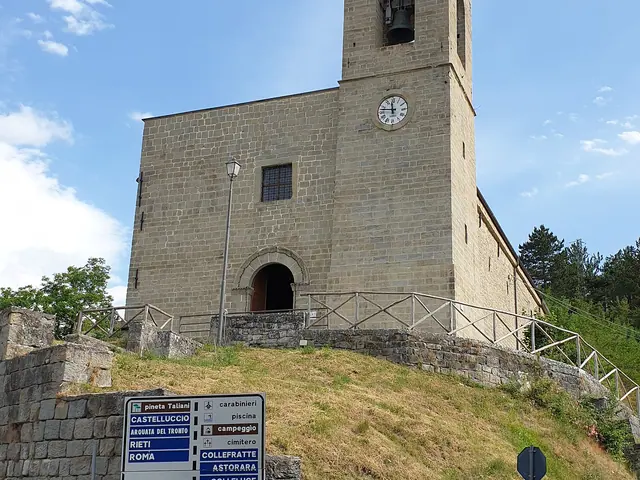 MontegalloLe Marche · Ascoli Piceno
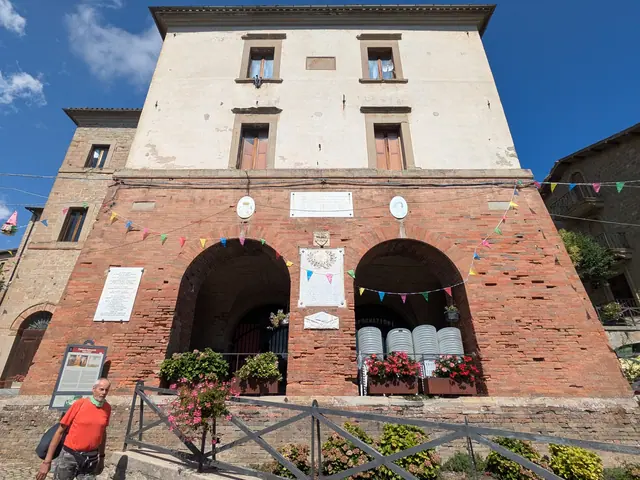 MontemonacoLe Marche · Ascoli Piceno
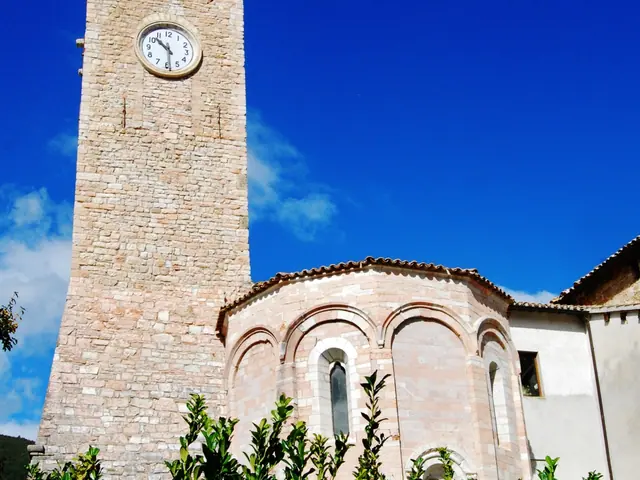 Pieve TorinaLe Marche · Macerata
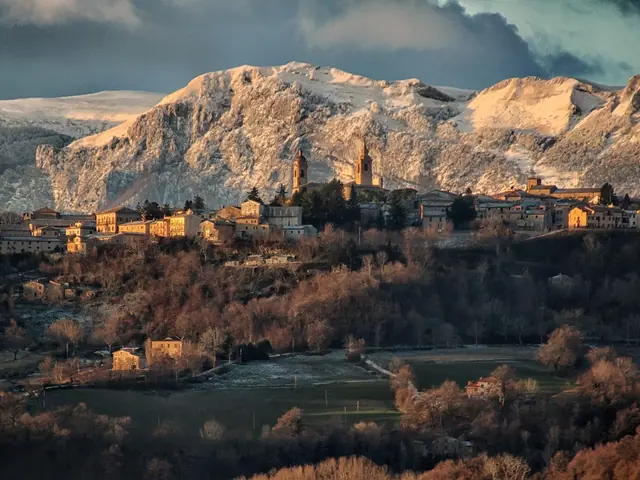 San GinesioLe Marche · Macerata
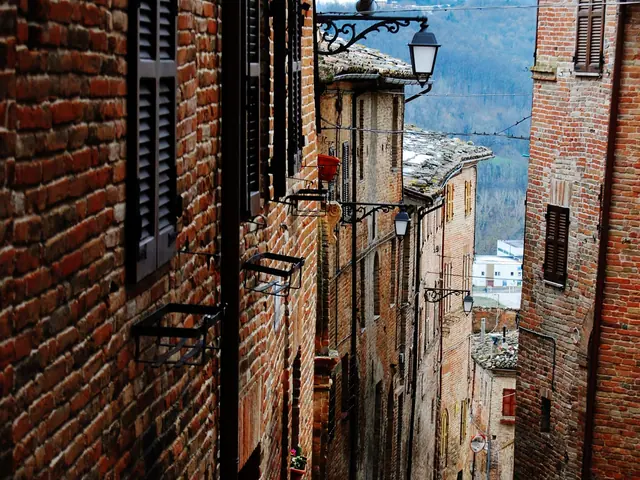 SarnanoLe Marche · Macerata
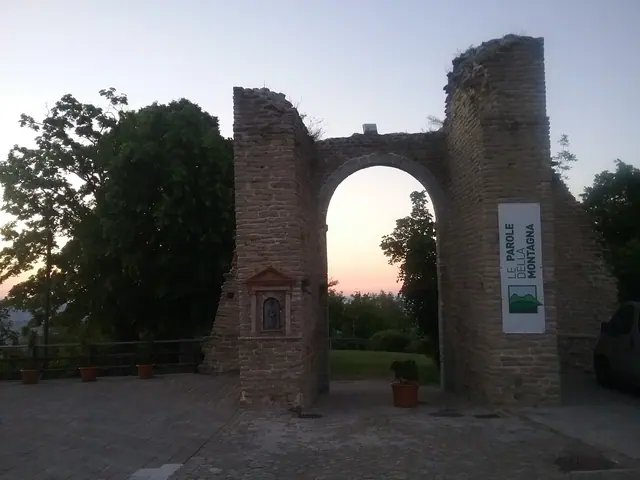 SmerilloLe Marche · Fermo
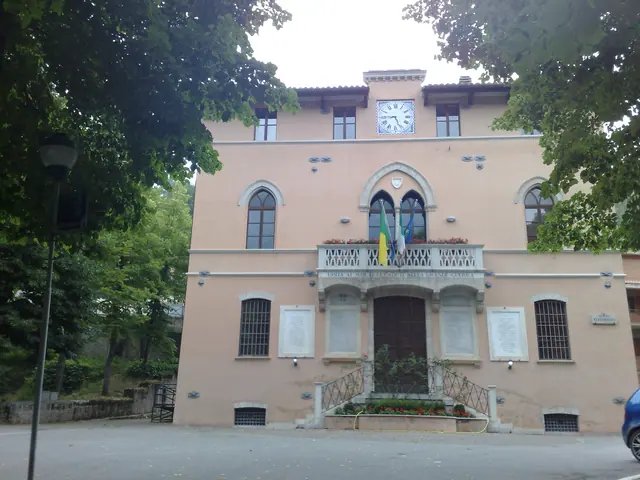 Ussita, Sibillini MountainsLe Marche · Macerata
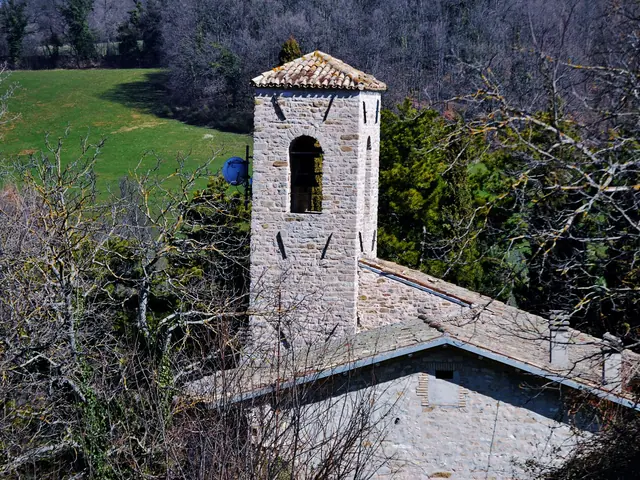 ValfornaceLe Marche · Macerata
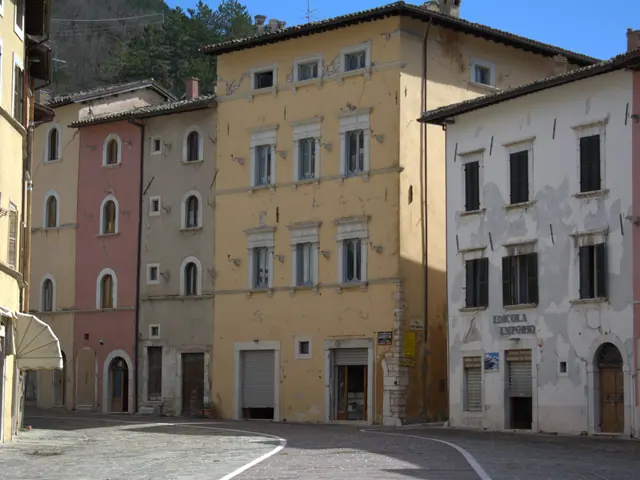 VissoLe Marche · Macerata
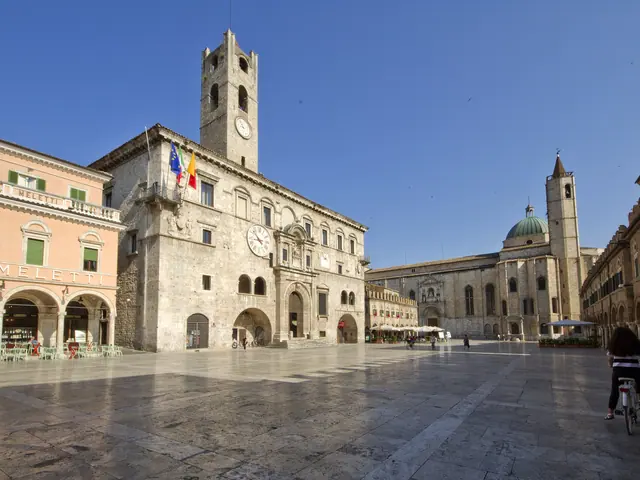 Ascoli PicenoLe Marche · Ascoli Piceno
No results with these filters.