


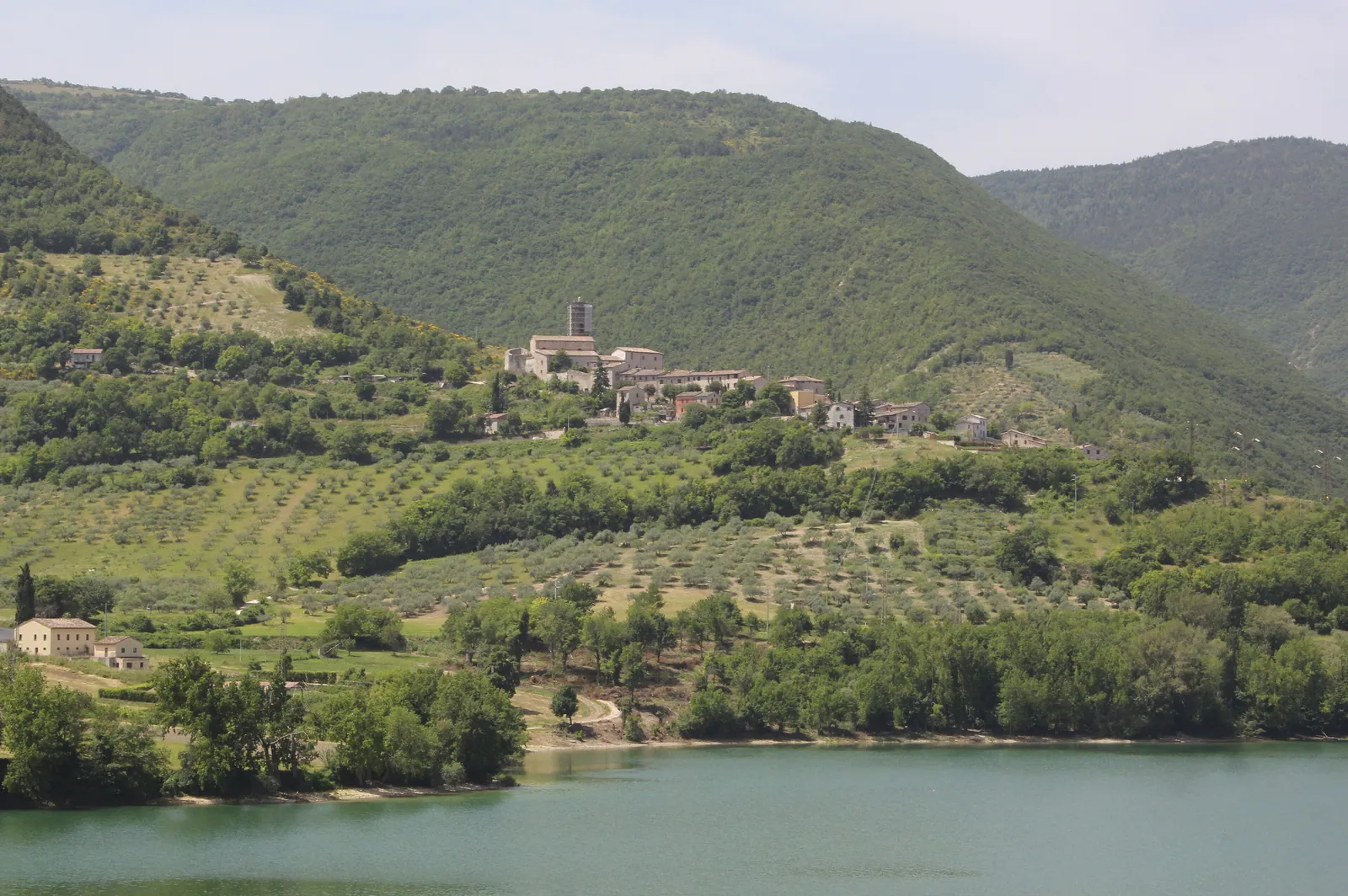
Sibillini Mountains lakes in Le Marche
The Le Marche lakes around the Sibillini Mountains come in two types: a single natural high-altitude lake and several artificial reservoirs at the foot of the mountains. Lago di Pilato is the only natural lake in the region. It lies at 1,941 m below Monte Vettore, in the municipality of Montemonaco (Ascoli Piceno), in a narrow valley of glacial origin. It is called "the lake with glasses" for its two pools, which join when the water is highest. It can only be reached on foot.
Lower down are the reservoirs created by dams: Lago di Fiastra, the largest reservoir in the region, Lago di Gerosa and Lago di San Ruffino. The latter empties in the fall and is therefore called the "ghost lake". In addition there are various small lakes and minor reservoirs, each with its own page. For a general picture of the area, see also the page on the nature of the Sibillini Mountains.
The places
16 results
- LakeFonte d'Acqua di Contrada Castello TennacolaLake · Amandola
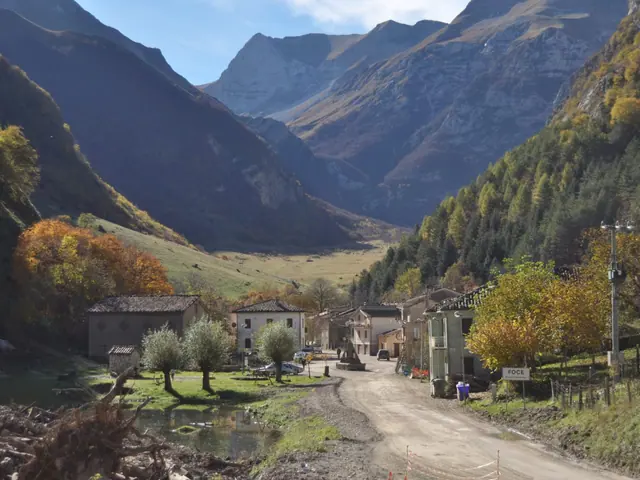 Il LaghettoLake · Montemonaco
- LakeLaghetto AzzurroLake · Ussita
- LakeLaghetto dei Giardini di UssitaLake · Ussita
- LakeLaghetto dell'InfernaccioLake · Montefortino
- LakeLaghetto di Palazzo Borghese in MontemonacoLake · Montemonaco
- LakeLago di BoccafornaceLake · Valfornace
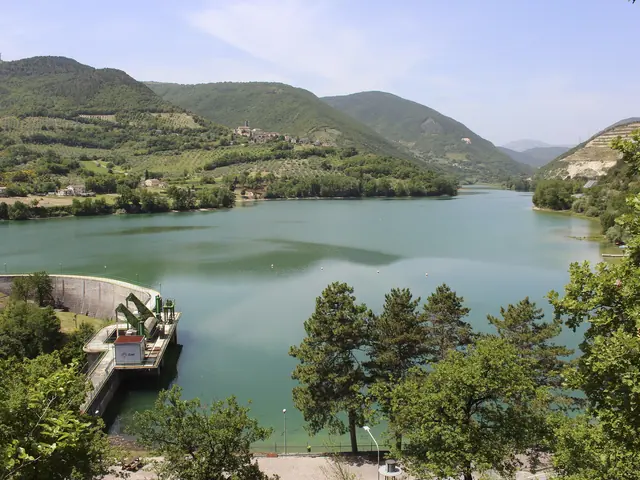 Lago di CaccamoLake · Caldarola
- LakeLago di CavignanoLake · Ascoli Piceno
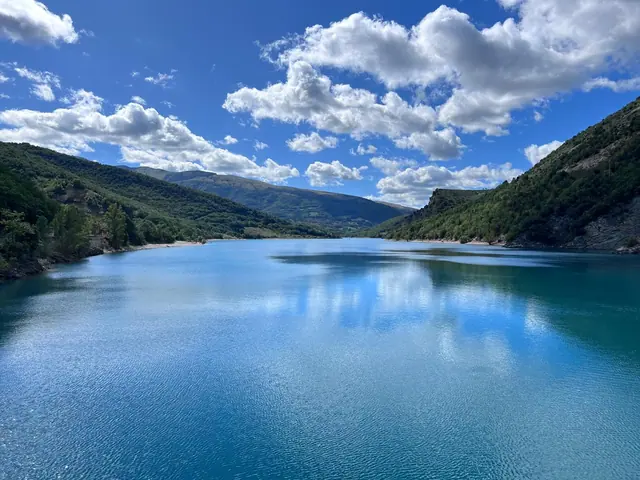 Lago di FiastraLake · Fiastra
- Lago di GerosaGuide
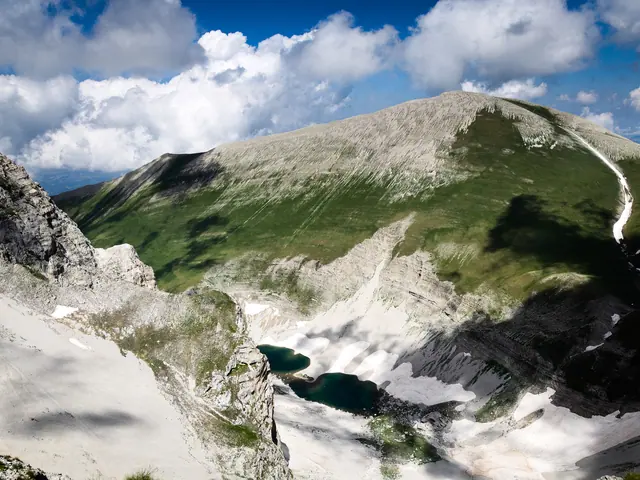 Lago di PilatoLake · Montemonaco
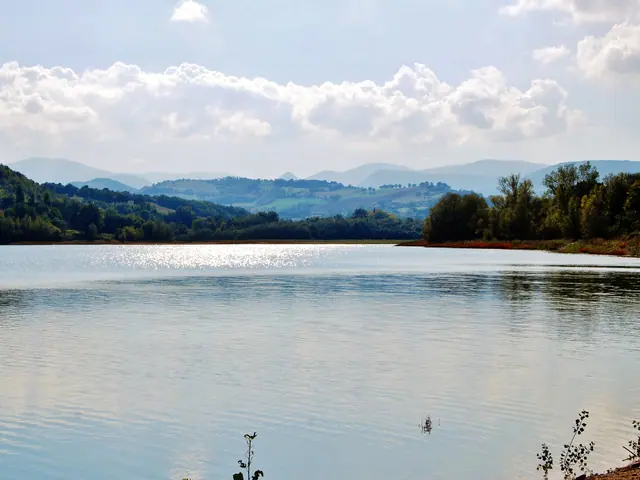 Lago di PolverinaLake · Valfornace
- LakeLago di San RuffinoLake · Amandola
- LakeLago di TalvacchiaLake · Acquasanta Terme
- LakePescollettaLake · Montefortino
No results with these filters.
On the map
Points from the site database. Map © OpenStreetMap contributors · Protomaps.
Sibillini Mountains lakes: the map
The Sibillini National Park lakes are spread across the whole Park, from the Ascoli side to the Macerata and Fermo sides. Lago di Pilato lies inside the Sibillini National Park, on Monte Vettore, less than a kilometer from the Umbrian border. Lago di Gerosa lies lower, at about 650 m, and its waters touch three municipalities: Comunanza, Montemonaco and Montefortino. Lago di Fiastra fills a basin on the northern edge of the Park, in the municipality of Fiastra, in the province of Macerata. Lago di San Ruffino is in the territory of Amandola, in the Fermo area, near the border with Monte San Martino.
The other bodies of water in the area are distributed as follows:
- Montemonaco: Il Laghetto and the Laghetto di Palazzo Borghese.
- Ussita: the Laghetto Azzurro and the Laghetto dei Giardini di Ussita.
- Castelsantangelo sul Nera: the Laghetto di Passo Cattivo.
- Valfornace: Lago di Boccafornace and Lago di Polverina.
- Caldarola: Lago di Caccamo.
- San Ginesio: Lago di Castelluccio.
- Ascoli Piceno: Lago di Cavignano.
- Acquasanta Terme: Lago di Talvacchia.
- Montefortino: Pescolletta.
- Amandola: the Fonte d'Acqua di Contrada Castello Tennacola, in addition to Lago di San Ruffino.
Monti Sibillini lakes: the top places
Lago di Pilato is the best-known lake of the Sibillini. Its basin is of glacial origin and it is one of the few lakes of this type in the Apennines. Around it rise the highest peaks of the massif, including Monte Vettore (2,476 m) and the Cima del Redentore. Its waters are home to the Chirocefalo del Marchesoni, a small red crustacean 9-12 millimeters long that swims belly up. Popular tradition links the lake's name to Pontius Pilate.
There are two trails to reach it. The first starts from Foce di Montemonaco: after a stretch of road it climbs through a small wood with steep switchbacks to the lake's valley, in about 2 and a half to 3 hours of walking from Foce. The second starts from Forca di Presta, a mountain pass in the municipality of Arquata del Tronto. It follows the route toward the summit of the Vettore and, past the Rifugio Tito Zilioli, descends to the left toward the valley.
Lago di Fiastra is an artificial reservoir created in the 1950s by damming the Fiastrone river. It was built to produce electricity for the valley, and it is the largest hydroelectric reservoir in the Marche. The water has hues ranging from turquoise to green. Swimming is allowed, and people swim, canoe and windsurf. The level changes during the year: in summer it is kept higher and steady. A nature trail of about 3 km, with no elevation gain, runs along the lake. Hikes to the Lame Rosse are also organized from the lake. The lake hosts sporting events, such as the Triathlon dei Monti Sibillini and fishing competitions. By car, take the SS77 and exit near Lago di Polverina, then follow the signs for Fiastra.
Lago di San Ruffino was created in 1961, when a dam blocked the Tenna river to create a water reserve for dry years. It is about 1 km from the Abbazia dei Santi Ruffino e Vitale, an abbey. From fall to the end of spring the dam stays open. The water drains away, the flat area turns into a marsh and then into a dry riverbed: hence the name "Lago Fantasma" (ghost lake). Around the lake runs a nature trail that can be done on foot, on horseback or by mountain bike. The loop is about 2.8 km long there and back, with 30 m of elevation gain, and takes about an hour. The surface is dirt and suitable for children and strollers, but the signage is incomplete and the route is not recommended in hot weather. Canoes, pedal boats and rowboats can be rented on the lake, and fishing is allowed. In the summer months canoe outings and sailing regattas are organized.
Lago di Gerosa is an artificial reservoir fed by the Aso river, about 6 km from Montemonaco. The dam is 77 m high and was inaugurated in 1983. When full, the lake covers about 64 hectares. Fishing, sailing and rowing are practiced, and there is a seaplane base on the reservoir. Along the shores are small beaches and pine woods. The right bank is wooded, less accessible but suitable for walks and Nordic walking. Roe deer, porcupines and badgers live in the nearby woods, and migratory ducks stop on the lake.
From Montemonaco, follow the sign for Comunanza, pass through Ropaga and the church of San Giorgio all'Isola, and after about 1 km you reach the lake. From Ascoli Piceno, take the SS4 Salaria to Mozzano, then turn toward Comunanza and pass through Roccafluvione and Croce di Casale. From there, take the SP67 to the turnoff for the lake.
Then there are the smaller ponds, such as the Laghetto Azzurro and the Laghetto dei Giardini in Ussita, the Laghetto di Passo Cattivo in Castelsantangelo sul Nera, and the lakes of Polverina and Boccafornace. Almost all of them have a page with directions and trails.
Marche Italy lakes in the Sibillini: visiting tips
The choice of lake depends on the activity. For high-altitude hiking the destination is Lago di Pilato. For swimming and water sports, Lago di Fiastra is the best choice. For easy walks, including with children, San Ruffino and Gerosa are good options.
Swimming is strictly forbidden at Lago di Pilato. Visitors must stay at least 5 m from the shore, so as not to trample the fairy shrimp eggs laid among the rocks. The lake is fed mainly by snow, which covers the water for much of the year until early summer. Some snowfields last until August, so the look and size of the lake change a lot from one season to the next. The Lago di Pilato valley is among the areas flagged as hazardous. Before setting out, check the weather and ask the Park about trail conditions.
Swimming is allowed at Lago di Fiastra, and the equipped beach is at San Lorenzo al Lago. The water, however, is cold even in August. Near the shore the bottom is a little muddy and the depth increases quickly, so caution is needed.
Lago di San Ruffino is best visited in summer, when the reservoir is full. Out of season the water is reduced or absent, but the route around it remains an easy walk.
For other destinations in the Sibillini, there are the pages on viewpoints, plains and other natural areas. The peaks are on the page The peaks of the Sibillini Mountains.