


Multi-Day Hikes in the Sibillini
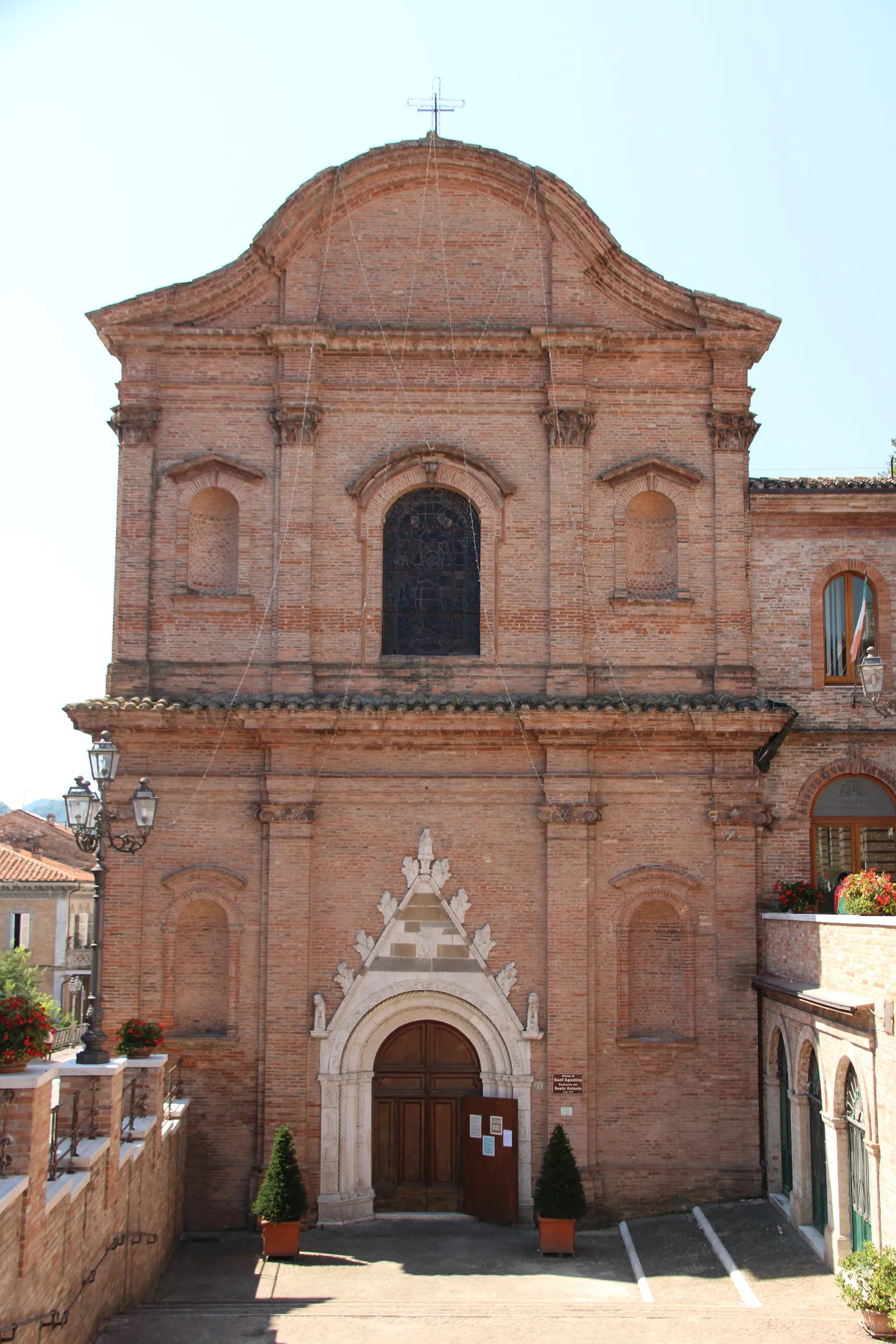
Multi-day hikes in the Sibillini, the walking routes and treks of the Sibillini Mountains, are of two kinds. There is one great loop that circles the whole range. Then there are linear routes that start from or pass the foot of the Sibillini and continue toward the rest of the Marche, Umbria and Lazio. The Grande Anello dei Sibillini is about 124 km long and encircles the entire massif, between the Marche region and Umbria. It is walked in 9 daily stages, starting and ending in Visso. The other routes are longer and cover much wider areas.
The Cammino dei Cappuccini runs from Fossombrone to Ascoli Piceno, in 17 stages. The Cammino di San Benedetto runs from Norcia to Montecassino, in 16 stages. The Cammino Francescano della Marca, the Grande Anello dei Borghi Ascolani, the Grande Anello di Arquata and the Via Lauretana each have a dedicated page. For short hikes, see the page on Sibillini Mountains hiking.
The trails
7 results
- Cammino dei Cappuccini8 stages
- Cammino di San Benedetto2 stages
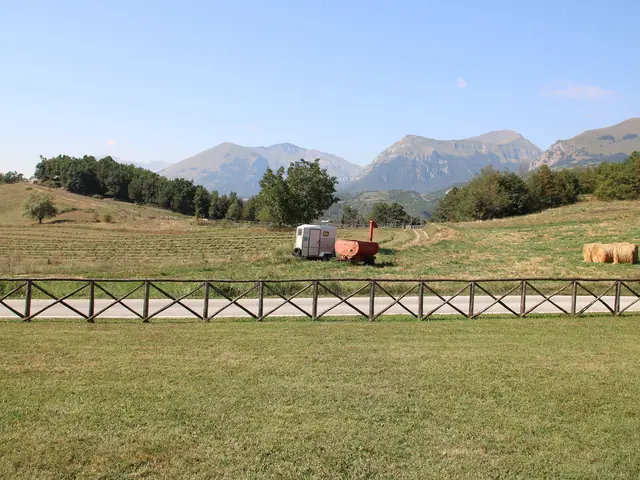 Cammino Francescano della Marca6 stages
- Grande Anello dei Borghi Ascolani7 stages
- Grande Anello dei Sibillini9 stages
- Grande Anello di Arquata4 stages
- Via Lauretana3 stages
No results with these filters.
On the map
Points from the site database. Map © OpenStreetMap contributors · Protomaps.
Multi-day hikes in the Sibillini: the map
The Grande Anello dei Sibillini is the only closed-circuit route. It crosses four provinces (Macerata, Fermo, Ascoli Piceno and Perugia) and many historic villages. Those who walk it therefore circle the Sibillini, with Visso as the base for start and finish.
The Cammino dei Cappuccini is a linear route from north to south. It lies entirely in the Marche, except for the Pascelupo stage, which is in Umbria. It passes Fabriano, Camerino and San Severino Marche and reaches the wider landscapes of the Sibillini. In its southern part it passes through San Lorenzo al Lago, on Lago di Fiastra, then Sarnano and the Santuario della Madonna dell'Ambro.
The Cammino di San Benedetto starts from Norcia and heads south away from the Sibillini. It passes through the upper Aniene valley to Subiaco, then descends into the Liri valley. It crosses Umbria and Lazio.
Multi-day hikes in the Sibillini: places not to miss
The Grande Anello dei Sibillini has drawn most of the walkers' attention. It was created as a project to promote the Sibillini National Park, established in 1993. Its designer is Alberico Alesi. The first stage, from Visso to Cupi, is 12.1 km long with 800 m of elevation gain and about 4 hours of walking. It climbs toward the Macereto plateau and offers a view of the Renaissance sanctuary. The second stage leads from Cupi to Fiastra, along the ridge of Monte Coglia (11.5 km). Along the loop, flowering plateaus, dense woods, panoramic ridges and deep valleys alternate.
The Cammino dei Cappuccini retraces the places where the Order began. It starts from the Capuchin friary of Fossombrone, on the Colle dei Santi, and ends at the Santuario di San Serafino da Montegranaro in Ascoli Piceno. Among the first stages are the Gola del Furlo gorge and the Abbazia di Fonte Avellana, in the Monte Catria area. Camerino is where the Capuchins were born and where the Order's first friary stands, at Renacavata. The section from Fossombrone to Camerino is about 220 km in 10 stages. From Camerino to Ascoli Piceno it is about 160 km in 7 stages, for a total of almost 400 km.
The Cammino di San Benedetto links three places connected with the saint. They are Norcia, where he was born, Subiaco, where he lived for more than thirty years and founded many monasteries, and Montecassino, where he spent the last part of his life. The first stages are Norcia–Cascia (about 17.3 km), Cascia–Monteleone di Spoleto (about 17.5 km) and Monteleone di Spoleto–Leonessa (about 12.6 km).
Multi-day hikes in the Sibillini: tips for the trip
Before choosing a route, decide how many days are available. The Grande Anello dei Sibillini is fully signposted. It takes nine days with the standard stages and five days for the most experienced and fit walkers. There is also a one-week version, designed around the closures of mountain huts, water sources and refreshment points. Before setting out, check that the huts and support points along the route are open.
The Cammino dei Cappuccini is demanding. It is best done in the milder months, avoiding cold and snow, which can make the mountain stages dangerous. The seasons indicated for the stages are spring, summer and fall. The longest stage is the ninth, from Cingoli to San Severino Marche. It is 28.4 km long. It requires a steady pace and some planned breaks.
For the Cammino di San Benedetto there are 16 stages on foot, for as many days of walking, and 7 by bicycle. The recommended period is March to November. For the Sibillini, the most rewarding season remains May to September. Before departure, check the weather and the state of the trails.
For an Italy hiking holiday on foot from village to village, these routes are the multi-day options in the Sibillini; the regional guides to walks in Umbria and hiking in Le Marche cover the wider regions.