


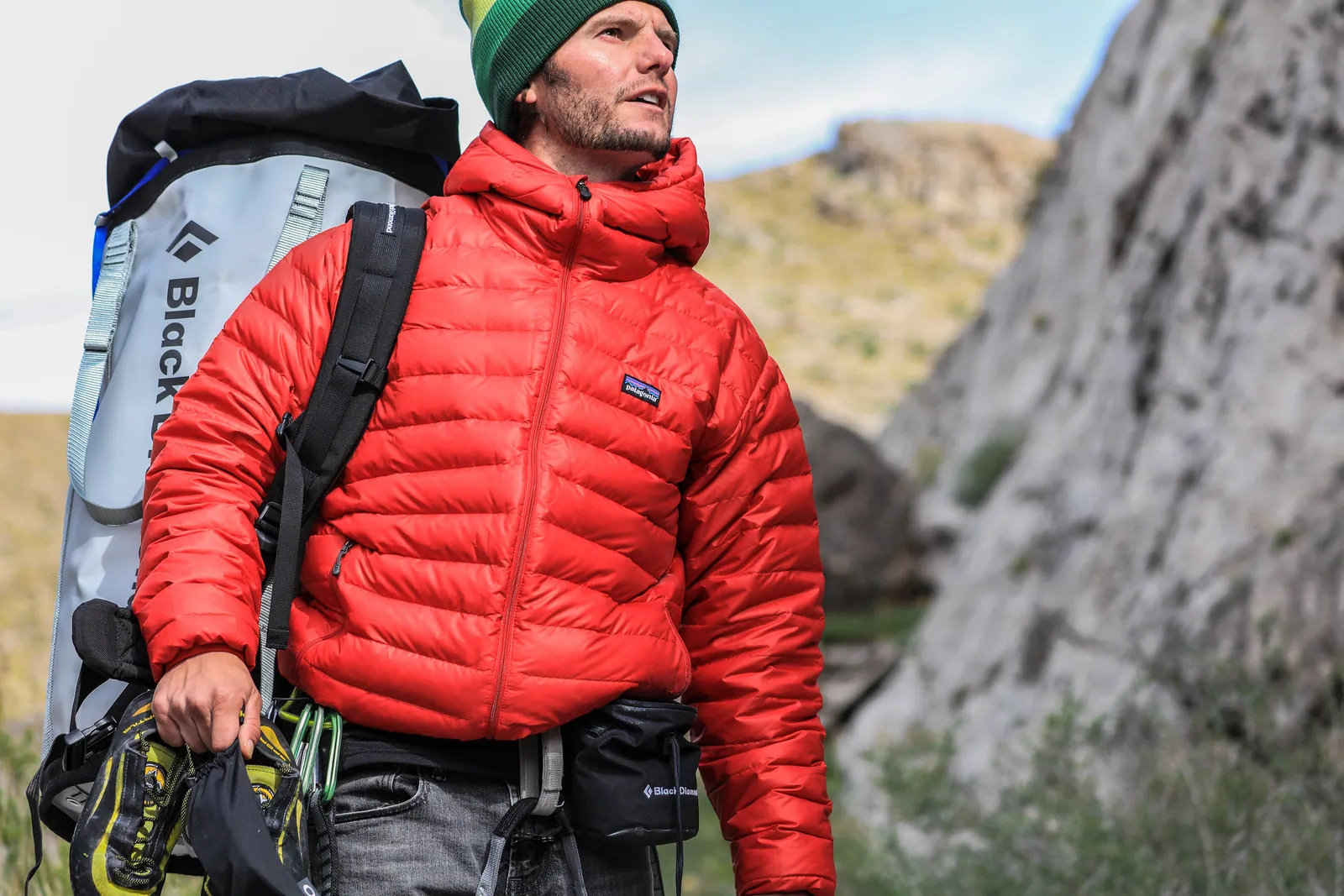
Mountain hiking gear: buying guides
Photo: Patrick Hendry worldsbetweenlines / CC0 / Wikimedia Commons
This mountain hiking gear buying guide starts from a simple point: the right equipment depends on the outing in mind. A summer day hike, a winter snowshoe trip and a morning in the woods looking for mushrooms call for different gear. The basic principle remains the same. The mountains are a natural environment with little in common with the city, and they demand specific clothing and purpose-made equipment.
For each category below are the essential points and the rules to know before setting out for the Sibillini. Each buying guide then goes into the choice in more depth. Ideas for hikes are on the page things to do in the Sibillini Mountains.
In this section
15 results
 Mountain hiking clothingGuide
 Hiking accessoriesGuide
 Trekking polesGuide
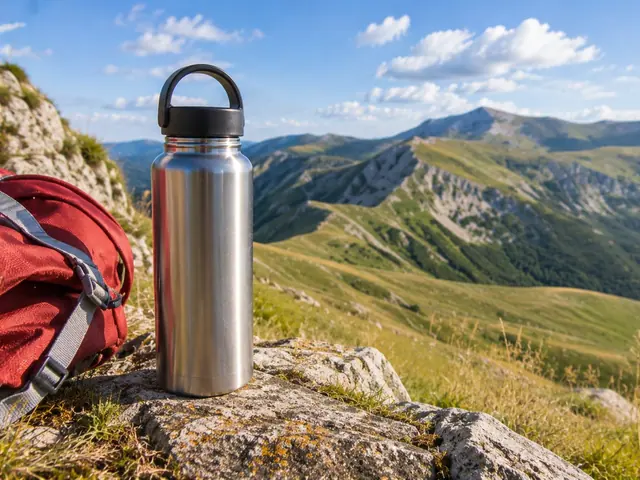 Insulated water bottle for hikingGuide
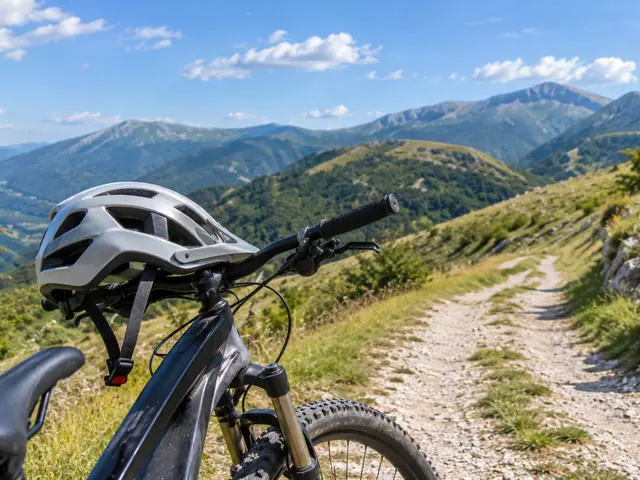 MTB helmetGuide
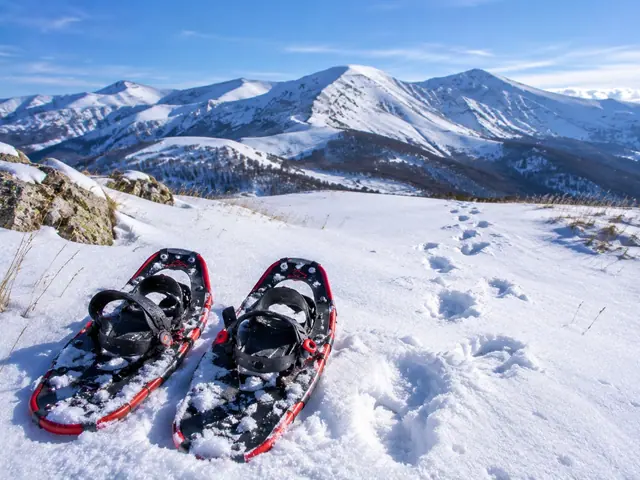 SnowshoesGuide
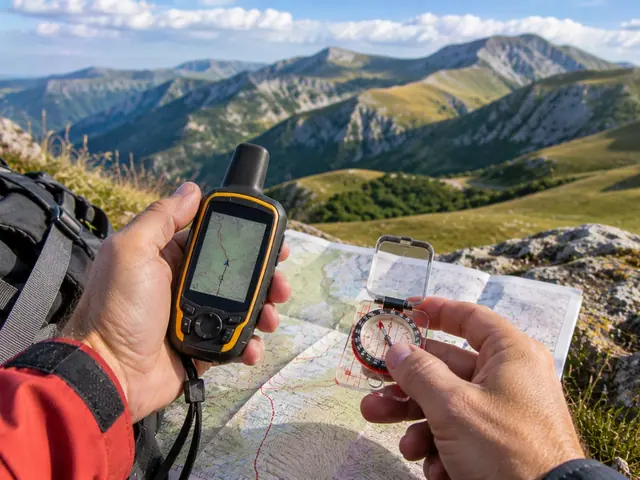 Hiking GPS navigationGuide
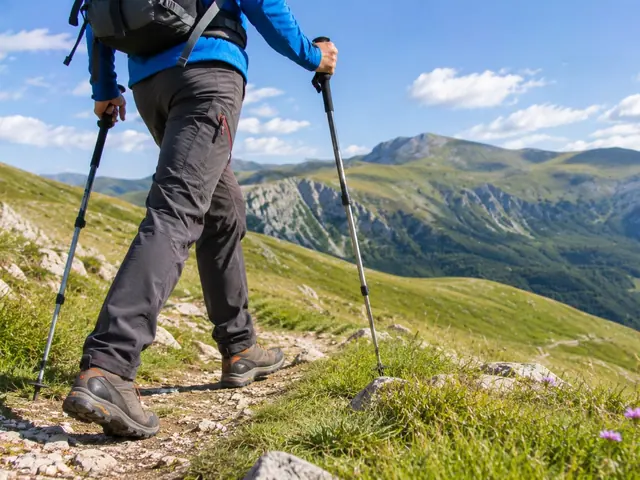 Hiking pantsGuide
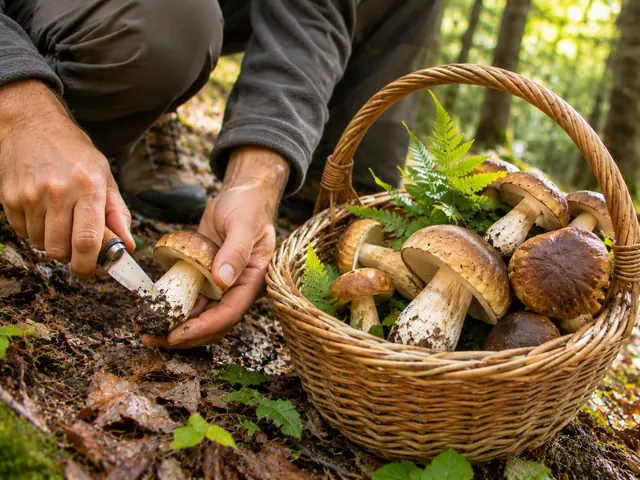 Mushroom Foraging Basket and Knife in the Sibillini MountainsGuide
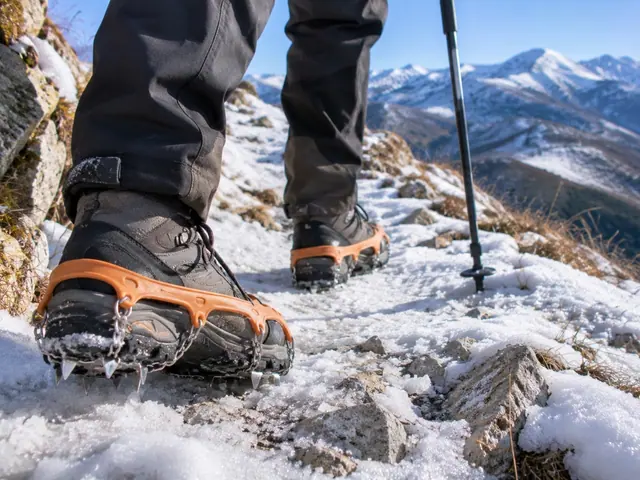 Microspikes for Hiking in the Sibillini MountainsGuide
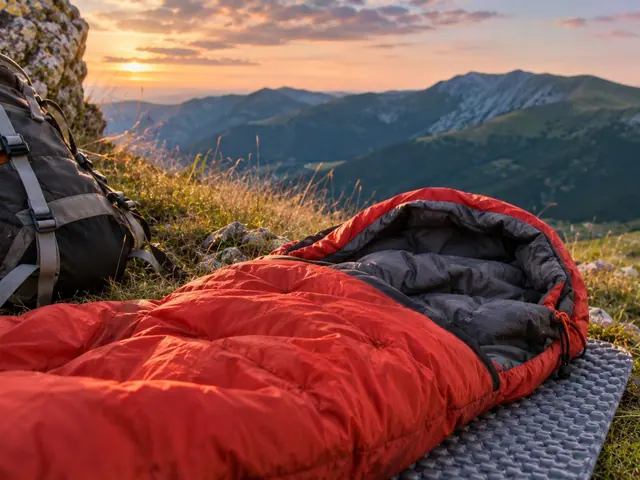 Sleeping Bag for HikingGuide
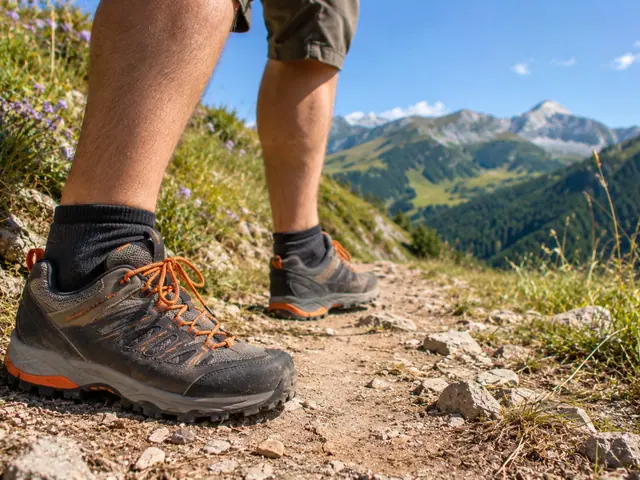 Hiking ShoesGuide
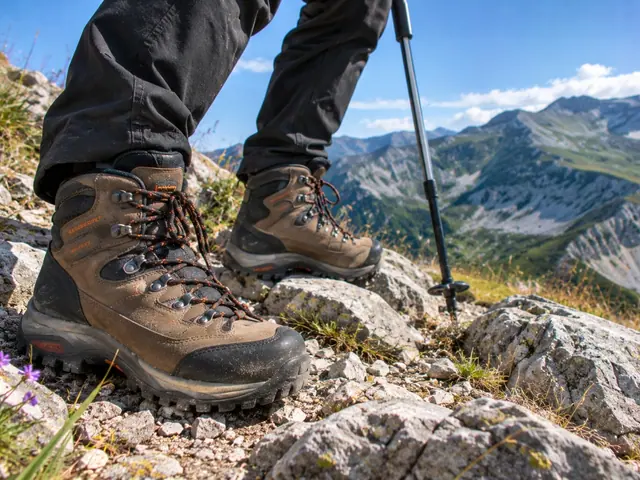 Hiking BootsGuide
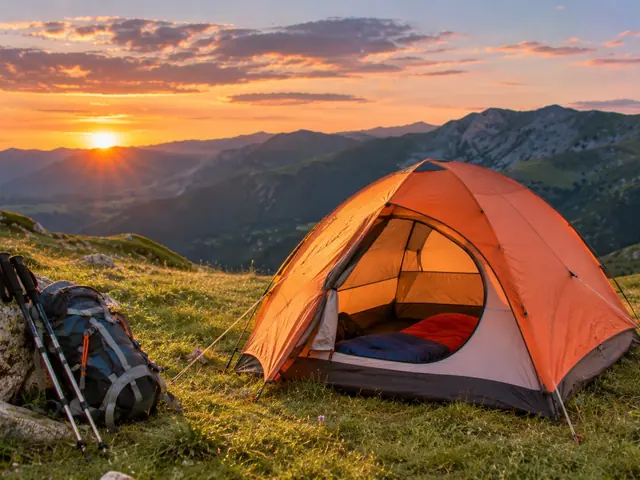 Camping TentGuide
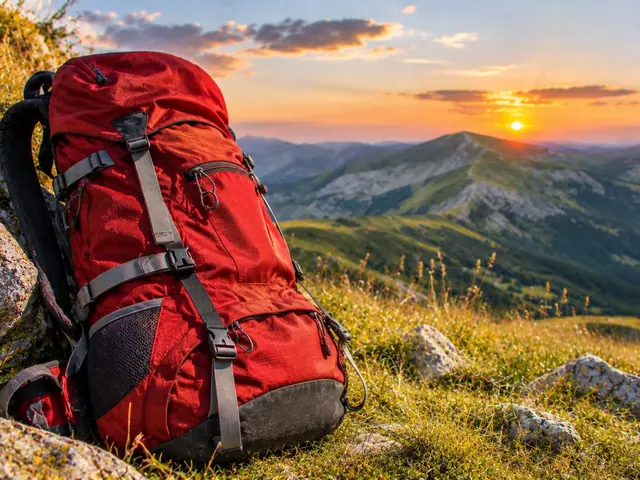 Hiking BackpackGuide
No results with these filters.
Snowshoes
There is a specific legal requirement for snowshoe hikes. Since January 1, 2022, Legislative Decree 40/2021 has required carrying an avalanche transceiver (ARTVA), a shovel and a probe on outings, including on snowshoes, in snowy terrain where snow and weather conditions entail avalanche risk. The Club Alpino Italiano has judged the rule too vague and urges applying it with caution. Before setting out it is therefore worth checking snowpack conditions and avalanche risk.
Hiking boots
Sneakers are not recommended for any hike. High boots are suited to long routes, technical terrain and carrying a heavy backpack. Low hiking shoes are lighter and work well on easy trails and in the warm season. In rain, snow or mud, waterproof models are needed.
Trekking poles
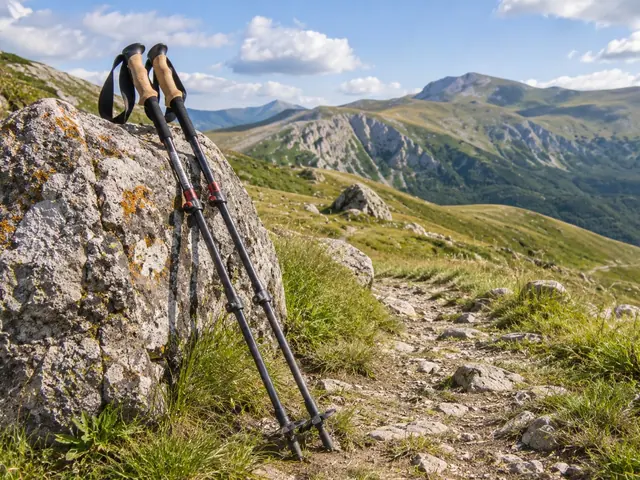
To adjust telescopic poles on flat ground, the upper arm and forearm should form an angle of about 90 degrees. Uphill the poles are shortened, downhill they are lengthened. On snow, where there is avalanche risk, the straps should not be looped around the wrists: in an avalanche they could twist and break the arms. During a thunderstorm the metal tips make poles dangerous.
Hiking backpacks
Choosing a backpack starts from the length of the outing. For a day hike 20-40 liters are enough; for several days sleeping in mountain huts it goes up to 50 liters; with a tent and food along, 60-80 liters are needed. The load should be in proportion to the weight and fitness of the person carrying it. In the store the backpack should be tried on full, with 5-10 kg inside and all the straps adjusted.
Mountain clothing
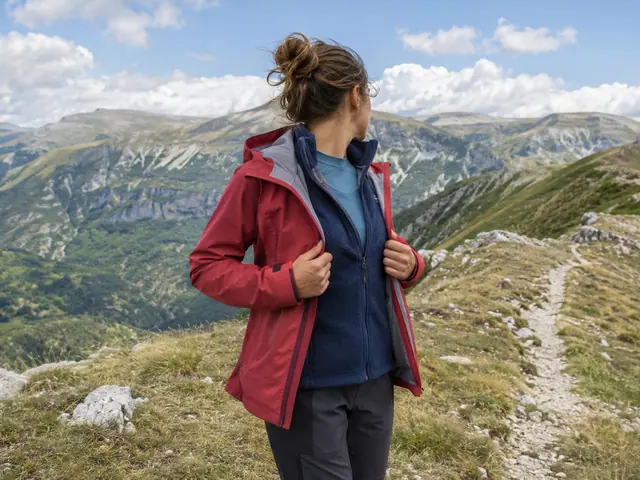
In the mountains it is best to dress in layers. A layer against the skin manages perspiration, a middle layer keeps body temperature steady and an outer layer protects from rain, wind and snow. Many light garments are better than a few very heavy ones. Cotton should be avoided as a base layer, because it holds sweat and chills the body.
Mushroom basket and knife
In the Marche, regional law requires mushrooms to be stored and carried in rigid, ventilated containers that let the spores disperse, such as a rigid basket. Plastic containers are prohibited. Mushrooms are picked with a twisting motion, keeping the features useful for identifying the species, and roughly cleaned on the spot. Rakes and hooks are prohibited, and the limit is 3 kg per person per day. In the Sibillini National Park, in the Sibillini Mountains, mushroom picking is allowed in compliance with current regulations.
GPS and navigation
Navigation requires a topographic map of the area, ideally in a waterproof case, and a compass or an altimeter. Anyone using a GPS or a phone app should download the track in advance to use it offline. A whistle is also useful in the backpack, the best way to signal your position when calling for help.
Thermos, headlamp, binoculars
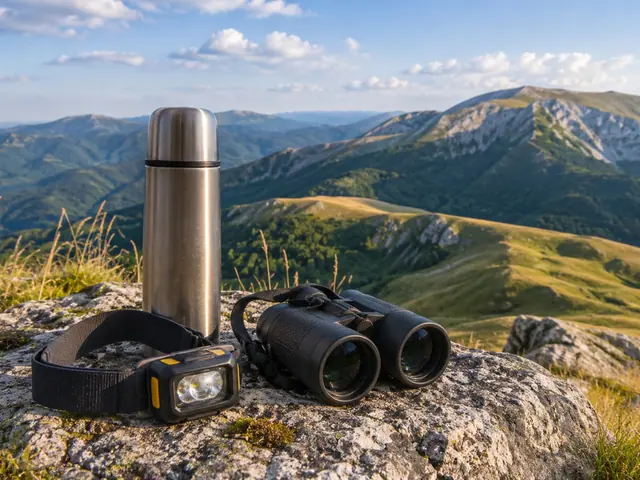
A thermos and binoculars are part of the recommended gear for a day hike. A headlamp, with spare batteries, is essential if something unexpected stretches the outing into the dark. It also serves to signal your position.