


Plan a Trip to the Sibillini Mountains: Itinerary Ideas
To plan a trip to the Sibillini Mountains means crossing two regions and a national park established in 1993. An itinerary in the Sibillini Mountains covers a park that stretches between Le Marche and Umbria, across the provinces of Macerata, Fermo, Ascoli Piceno and Perugia. The highest peak is Monte Vettore: the valley of Lago di Pilato, has its head below Monte Vettore (2,476 m) to the east and the Cima del Redentore (2,448 m) to the west.
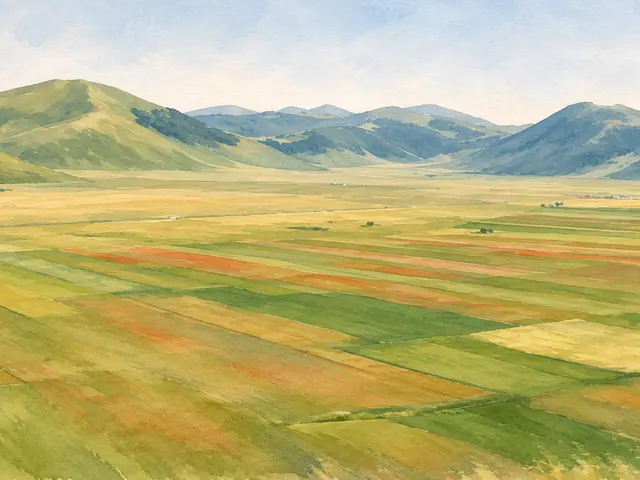
On the western side lie three high-altitude basins, the Piani di Castelluccio (Pian Perduto, Pian Grande and Pian Piccolo). Many villages still bear the marks of the earthquake. In Castelluccio, for example, the scars of the quake remain.
In this section
18 results
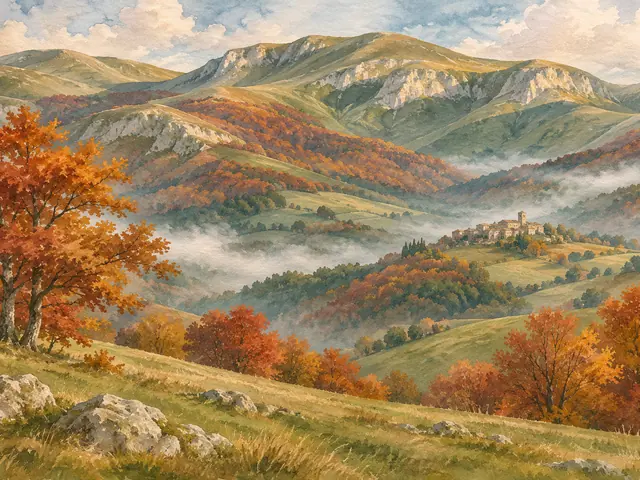 The Sibillini Mountains in FallGuide
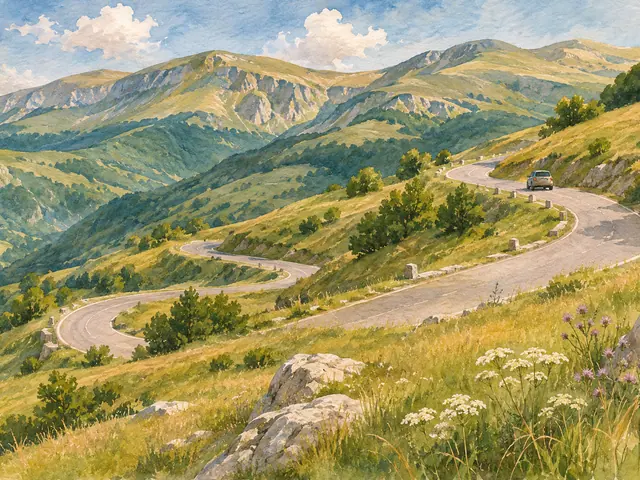 How to Get to the Sibillini MountainsGuide
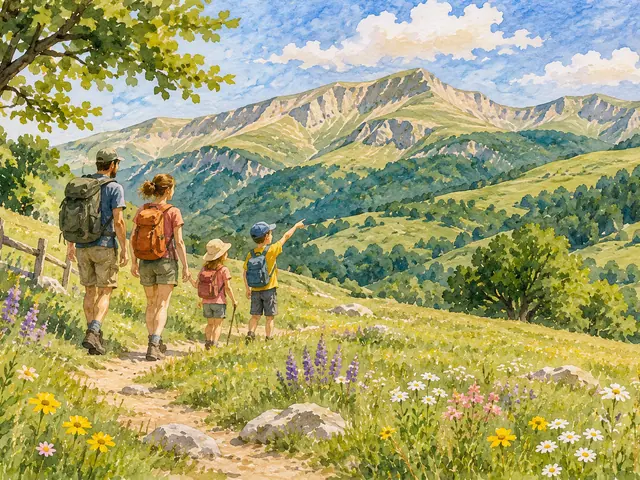 The Sibillini Mountains with KidsGuide
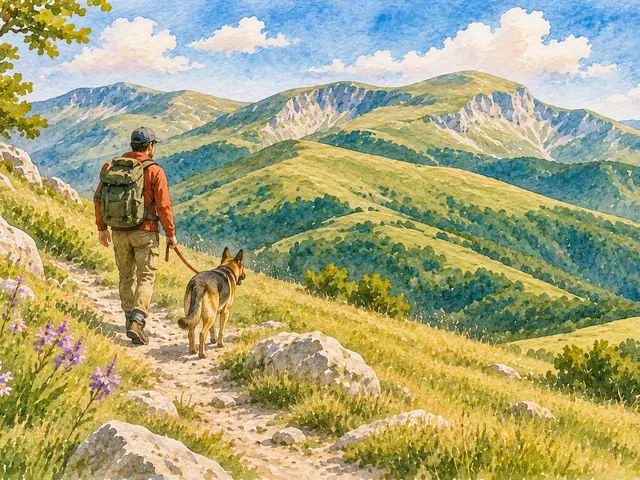 The Sibillini Mountains with a DogGuide
 Where Are the Sibillini Mountains?Guide
 The Sibillini Mountains in SummerGuide
 Events and Food Festivals in the Sibillini Mountains of Le Marche6 places
 The Sibillini Mountains in WinterGuide
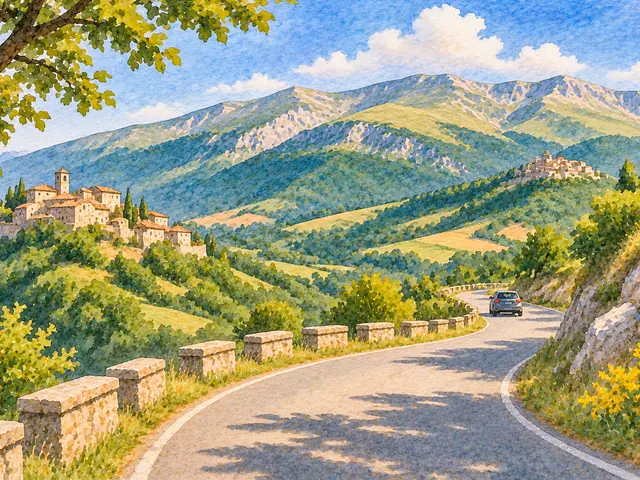 Sibillini Mountains Road Trip Through the VillagesGuide
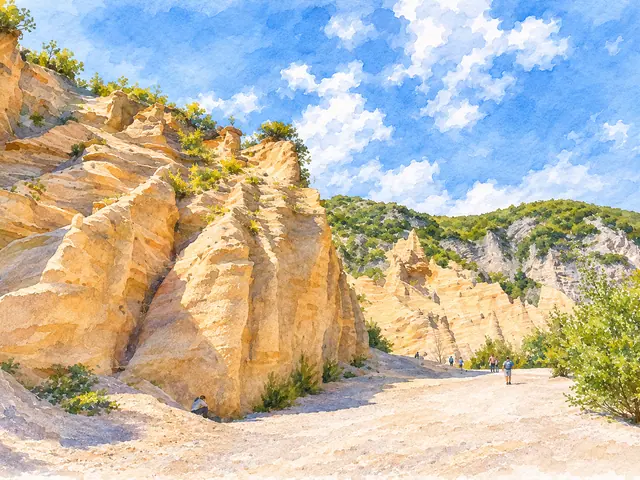 Lago di Fiastra and Lame Rosse Day TripGuide
 Sibillini Mountains ItineraryGuide
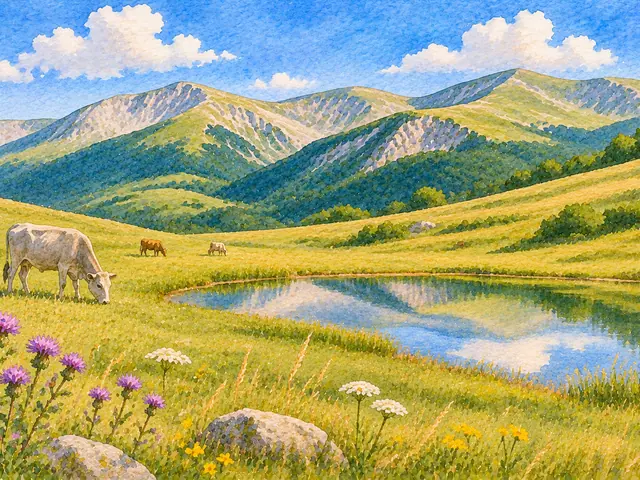 Sibillini Mountains Day TripGuide
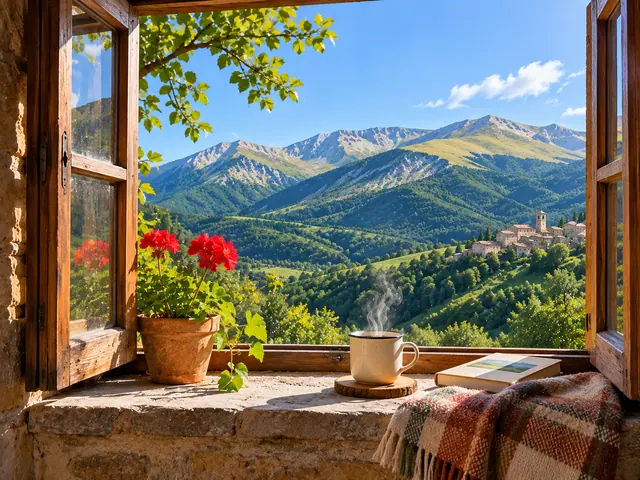 A Sibillini Mountains WeekendGuide
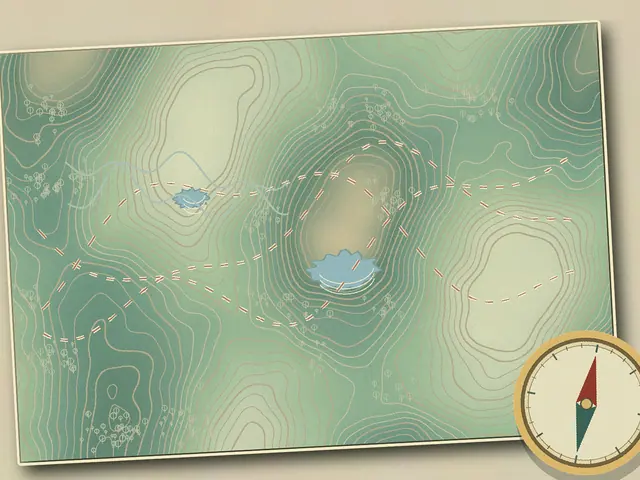 Monti Sibillini MapGuide
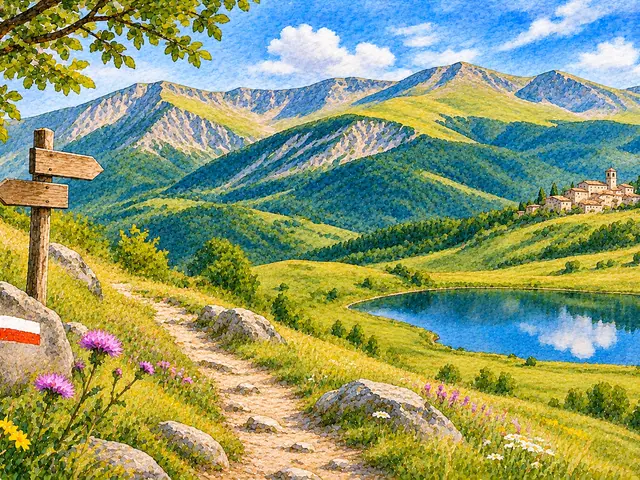 The Sibillini Mountains in SpringGuide
 Best Time to Visit the Sibillini MountainsGuide
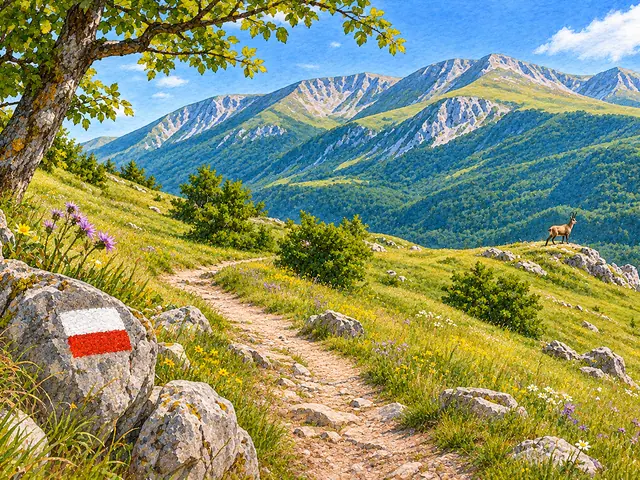 Sibillini National Park RulesGuide
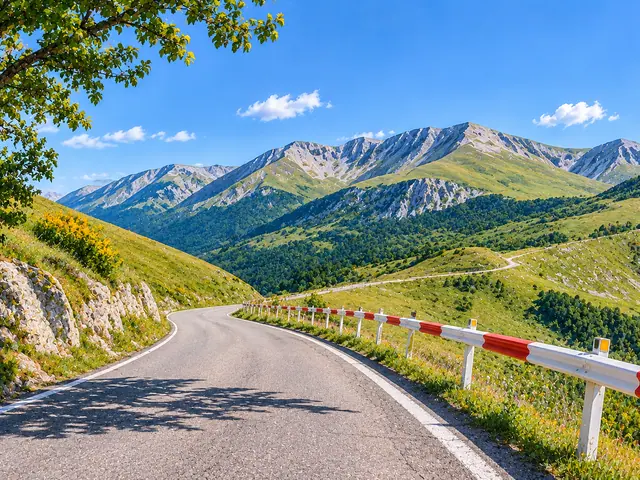 Castelluccio Road Conditions and Forca di Presta PassGuide
No results with these filters.
Where the Sibillini Mountains are
The Sibillini Mountains are part of the central Apennines, straddling Le Marche and Umbria. They are the fourth-highest massif of the continental Apennines, after Gran Sasso, Maiella and Velino-Sirente, and lie along the main watershed of the central Apennines. The park includes 16 municipalities, among them Amandola, Arquata del Tronto, Montemonaco, Norcia, Ussita and Visso. The Park Authority has its headquarters in Visso.
How to get to the Sibillini Mountains
By car, the area is reached from the A14 or the A1 highway. On the A14 the exits are Civitanova Marche, Pedaso, Porto San Giorgio and San Benedetto del Tronto; on the A1, Orte and Val di Chiana. The state roads leading in are the SS4 Salaria, the SS77 Val di Chienti, the SS78 Picena and the SS209 Valnerina. By train, the recommended stations are Macerata, Tolentino, Foligno, Spoleto, Ascoli Piceno and Porto San Giorgio/Fermo. From there, the journey continues by bus.
When to visit the Sibillini Mountains
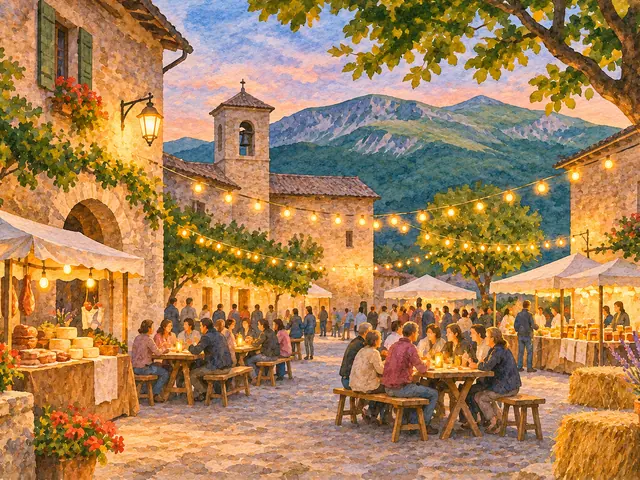
The mountains can be visited in every season, and each one offers something different. In spring and summer, hikers head for Lago di Pilato and Monte Sibilla and wait for the bloom at Castelluccio. In fall, the villages hold food festivals (sagre); in winter, there is skiing at Bolognola, Castelsantangelo sul Nera, Frontignano and Sassotetto.
The Sibillini Mountains in spring
In spring, the wild plants of the Piani di Castelluccio come into flower. The wild bloom begins in spring, before that of the cultivated fields, and varies with the weather. This bloom is different from that of the fields planted with lentils. Lago di Pilato can be reached from late spring until fall.
The Sibillini Mountains in summer
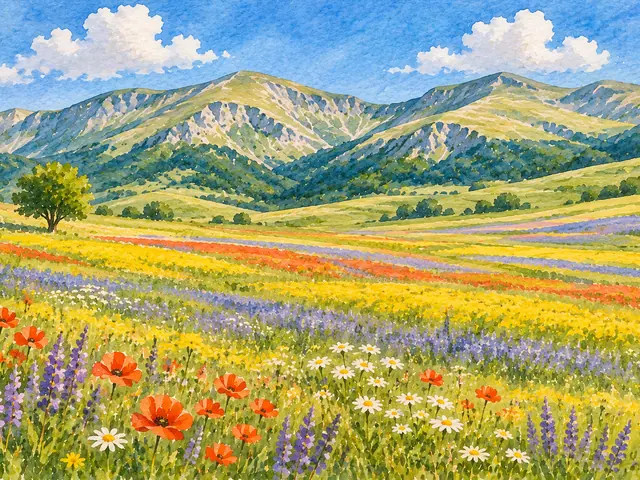
Summer is the season when the cultivated fields on the Pian Grande are in bloom. The peak of the bloom usually falls in the last week of June, but it depends on the weather. Crowds are large, so it is best to go up to the plateau on a weekday. For Lago di Pilato in July and August, an early start is best, because the last stretch is fully exposed to the sun.
The Sibillini Mountains in fall
October is the month of fall foliage. At lower elevations the colors can last until the first days of November, but two neighboring valleys can differ noticeably. Among the finest areas are the woods around Fiastra, Visso, Ussita, Castelsantangelo sul Nera and the Gole dell'Infernaccio.
The Sibillini Mountains in winter
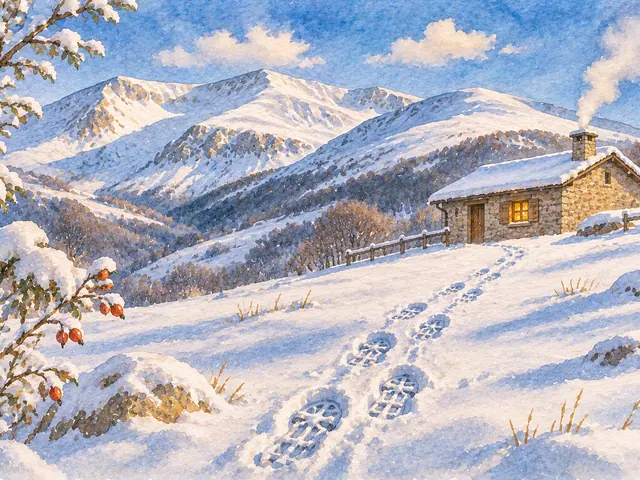
Winter is for skiing and snowshoeing. The lifts open only when there is snow. On those days, roads require snow chains or winter tires. In snow, the ridges around Lago di Pilato, the eastern face of the Vettore and Monte Bove are suitable only for mountaineers with ice axe and crampons.
The Sibillini Mountains in one day
In a single day, it is possible to hike to the Lame Rosse. The most popular trail starts from Lago di Fiastra: it is 7 kilometers round trip, out and back on the same route. It takes about 2-3 hours in total. Details are on the page Lago di Fiastra and Lame Rosse day trip. For longer trips, see a weekend in the Sibillini Mountains and a 3-day Sibillini Mountains itinerary.