


Castles and fortresses of the Sibillini Mountains
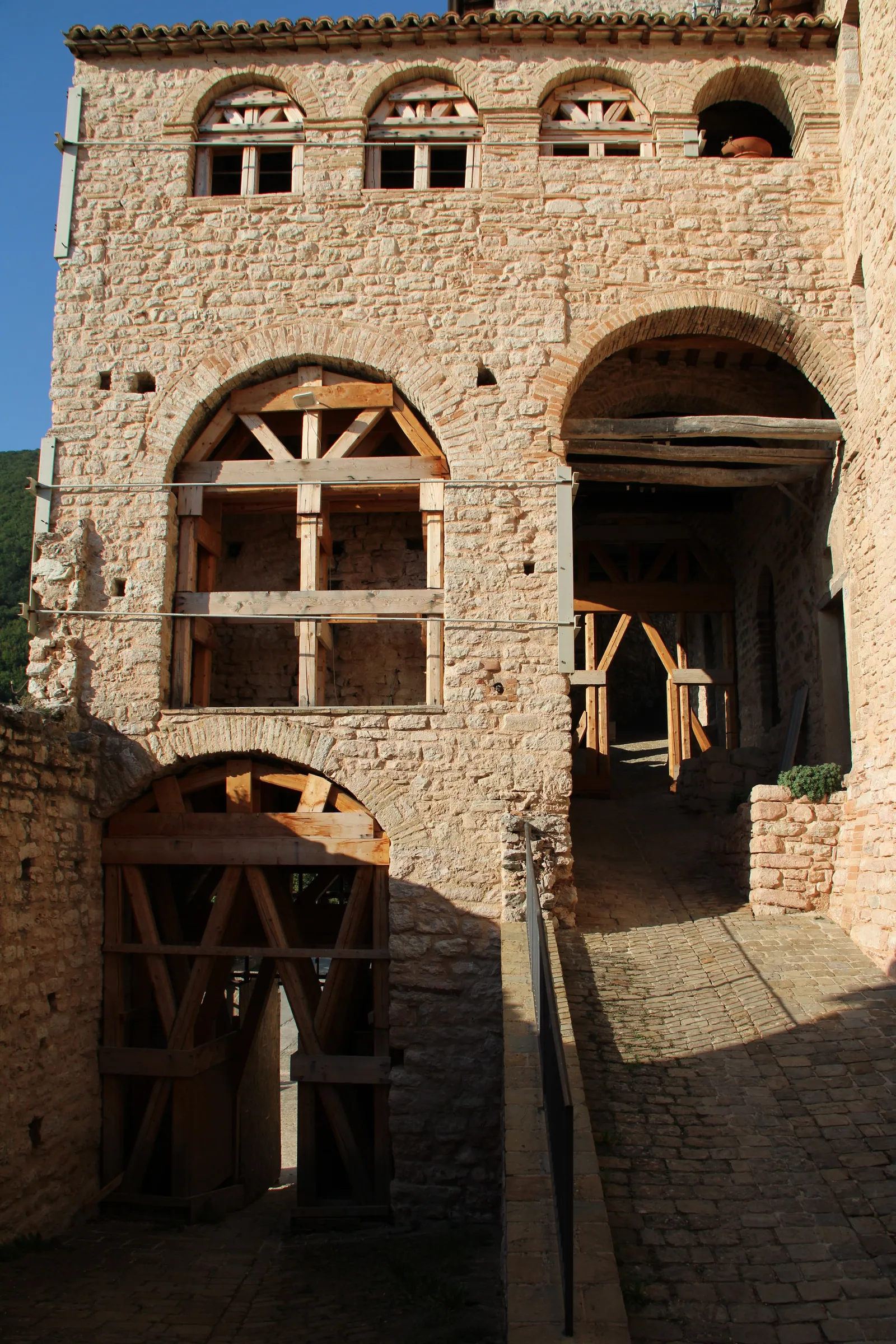
The castles and fortresses of the Sibillini Mountains are spread across many municipalities in the area. They range from Camerino to Arquata del Tronto, from Visso to Norcia, from Caldarola to Acquasanta Terme. Some are true fortresses (rocche), others are castle residences, and others again are towers, gates or tower houses used as lookouts.
The Castello Pallotta in Caldarola is the best documented. It overlooks the town from the top of a hill and has a history that goes back to the 9th century. Today it is temporarily closed for restoration work after the 2016 earthquake. Before planning a castle tour, it is therefore advisable to check the status of each individual site.
The places
37 results
- Castle or fortressCastel di Luco (Acquasanta Terme)Castle or fortress · Acquasanta Terme
 Castel San Giovanni (Visso)Castle or fortress · Visso
 Castelfranco (Norcia)Castle or fortress · Norcia
 Beldiletto Castle (Valfornace)Castle or fortress · Valfornace
- Castle or fortressColvenale Castle (Valfornace)Castle or fortress · Valfornace
- Falciano Castle (Acquasanta Terme)Guide
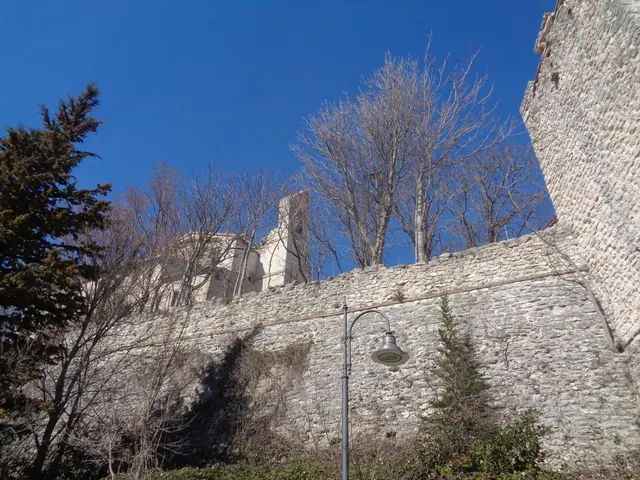 Montalto Castle (Cessapalombo)Castle or fortress · Cessapalombo
- Castle or fortressMontesanto Castle (Sellano)Castle or fortress · Sellano
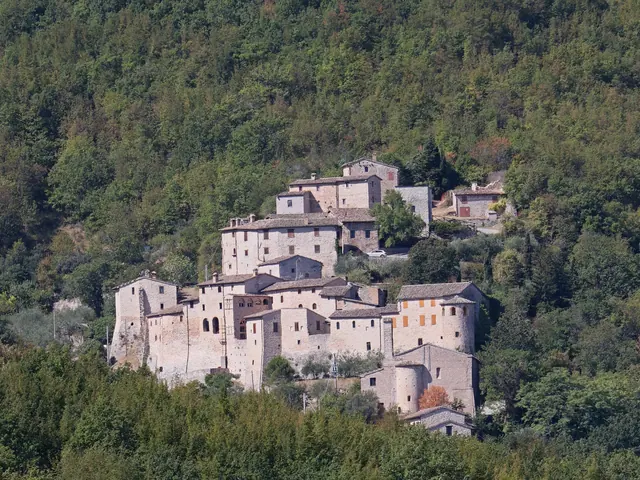 Vestignano Castle (Caldarola)Castle or fortress · Caldarola
- Castle or fortressFarfense Castle (Montefalcone Appennino)Castle or fortress · Montefalcone Appennino
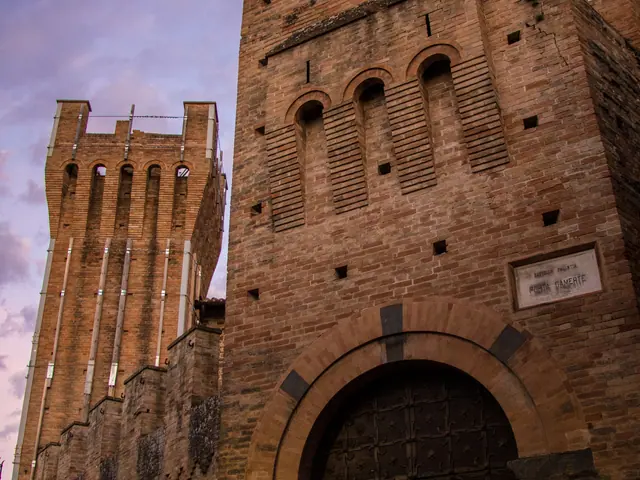 Pallotta Castle (Caldarola)Castle or fortress · Caldarola
- Castle or fortressCastrum Stacti (Camerino)Castle or fortress · Camerino
- Castle or fortressCastellina Museum (Norcia)Castle or fortress · Norcia
- Castle or fortressPorta Nord in SmerilloCastle or fortress · Smerillo
- Castle or fortressCol di Pietra Fortress in CessapalomboCastle or fortress · Cessapalombo
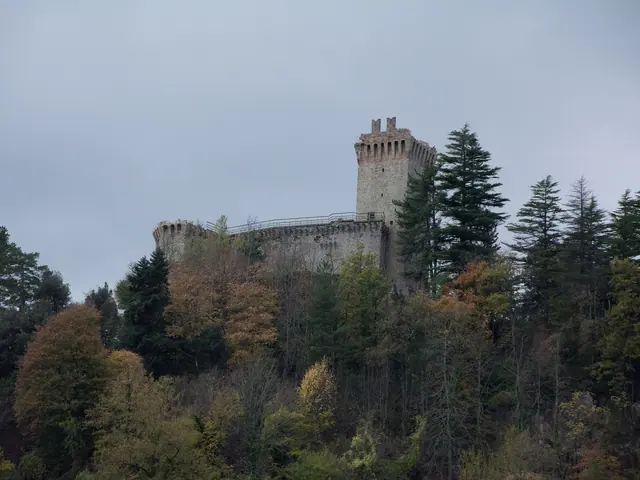 Arquata Fortress in Arquata del TrontoCastle or fortress · Arquata del Tronto
- Castle or fortressColonnalta Fortress in San GinesioCastle or fortress · San Ginesio
- Castle or fortressMontecalvo Fortress in Acquasanta TermeCastle or fortress · Acquasanta Terme
- Castle or fortressMedieval Fortress in SmerilloCastle or fortress · Smerillo
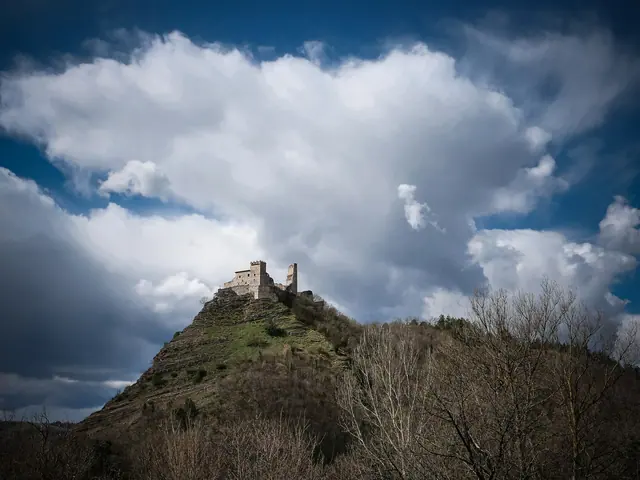 Varano Fortress in CamerinoCastle or fortress · Camerino
- Castle or fortressBeregna TowerCastle or fortress · Camerino
- Castle or fortressDovecote TowerCastle or fortress · Montegallo
- Castle or fortressWatchtowerCastle or fortress · Smerillo
- Castle or fortressMevale TowerCastle or fortress · Visso
- Castle or fortressCasalena, Ascoli PicenoCastle or fortress · Ascoli Piceno
- Castle or fortressCartofaro CastleCastle or fortress · Ascoli Piceno
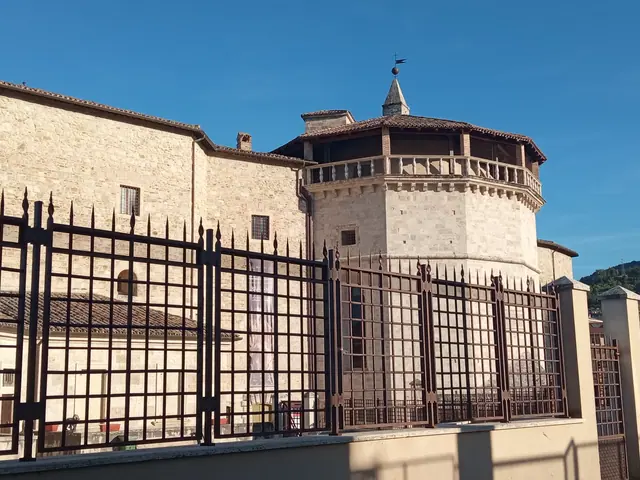 Malatesta Fort in Ascoli PicenoCastle or fortress · Ascoli Piceno
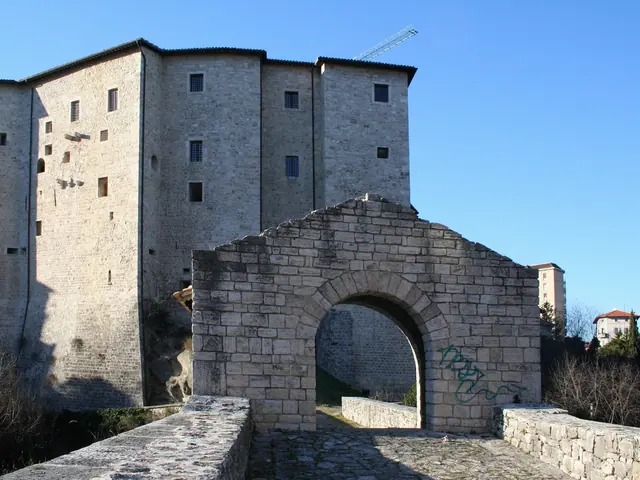 Fortress of the Ponte di CeccoCastle or fortress · Ascoli Piceno
- Castle or fortressPia FortressCastle or fortress · Ascoli Piceno
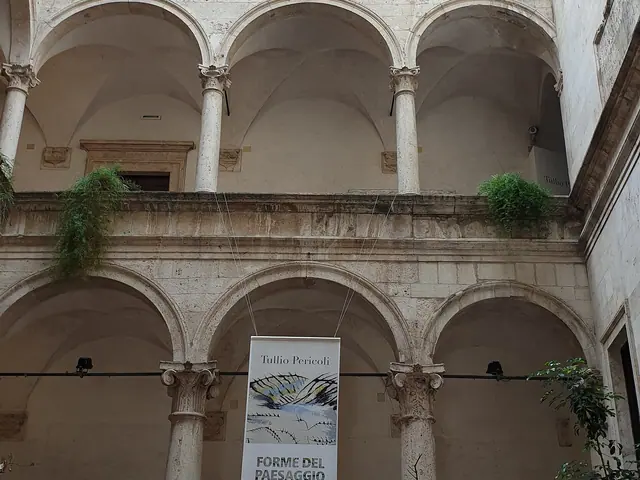 Palace of the Captains of the PeopleCastle or fortress · Ascoli Piceno
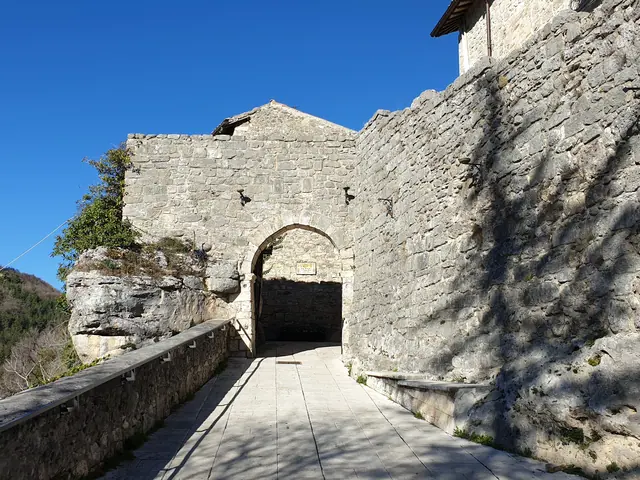 Porta Castellana, Ascoli PicenoCastle or fortress · Ascoli Piceno
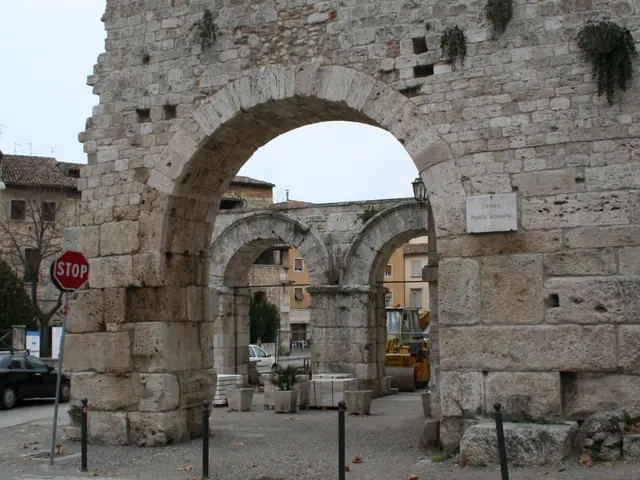 Porta Romana, Ascoli PicenoCastle or fortress · Ascoli Piceno
- Castle or fortressRuins of the Tronzano Fortress (Ascoli Piceno)Castle or fortress · Ascoli Piceno
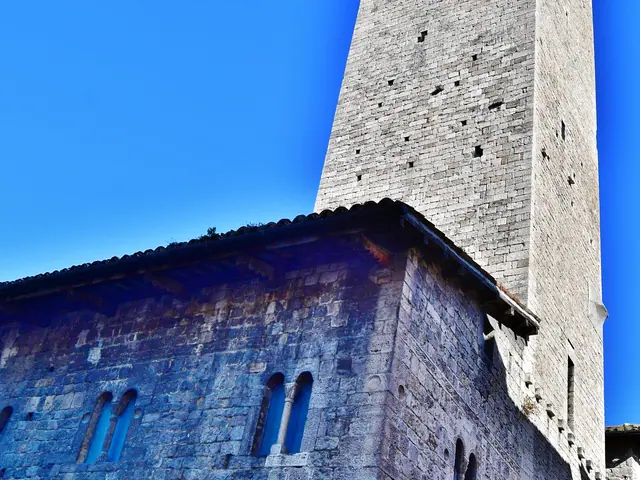 Ercolani Tower (Ascoli Piceno)Castle or fortress · Ascoli Piceno
- Castle or fortressNovelli Tower (Ascoli Piceno)Castle or fortress · Ascoli Piceno
- Castle or fortressNoble Family Tower (Ascoli Piceno)Castle or fortress · Ascoli Piceno
- Castle or fortressMontadamo Bastion (Ascoli Piceno)Castle or fortress · Ascoli Piceno
No results with these filters.
On the map
Points from the site database. Map © OpenStreetMap contributors · Protomaps.
Castles of the Sibillini Mountains: the map
The fortified sites are scattered over a wide area, so it helps to think town by town. This is how they are distributed:
- Camerino: Rocca Varano, the Castrum Stacti and the Beregna Tower.
- Visso: Castel San Giovanni and the Mevale Tower.
- Caldarola: the Castello Pallotta and the Vestignano Castle.
- Cessapalombo: the Montalto Castle and the Col di Pietra Fortress.
- Valfornace: the Beldiletto Castle and the Colvenale Castle.
- Smerillo: the Rocca Medievale, the Porta Nord and a watchtower.
- Montegallo: a tower house and a dovecote tower.
- Acquasanta Terme: Castel di Luco and the Montecalvo Fortress.
- Arquata del Tronto: the Rocca di Arquata.
- Norcia: Castelfranco and the Castellina Museum.
- San Ginesio: the Colonnalta Fortress.
- Montefalcone Appennino: the Farfense Castle.
- Sellano: the Montesanto Castle.
Smerillo, Camerino and Cessapalombo have several sites close to one another. This makes it possible to see more than one in the same day.
Castles of the Sibillini Mountains: the highlights
The Pallotta Castle in Caldarola is an example of a castle-museum, because it is also a residence. The family of the Counts Pallotta has lived there since 1450. It was built in the second half of the 9th century and keeps its walls, Guelph battlements, sentry walks and drawbridge.
From 1240 to 1434 the castle was ruled by the da Varano family of Camerino. It then passed to the Maurizi of Tolentino and finally to the Pallotta. In 1590 Cardinal Evangelista Pallotta changed its function from a military structure to a summer residence. He called in the De Magistris, painters from Caldarola, to decorate the rooms. The collections include weapons, a saddlery, carriages and antique clothing. Within the walls there is also a park with centuries-old trees.
The castle has returned to the spotlight because of the restoration work, which in 2024 was expected to cost about 12 million euros. In an attic, 17th-century frescoes hidden under plaster were found. The site remains closed to the public, however, until the work is finished.
Among the other places on the list, the Varano Fortress is in Camerino. The Arquata Fortress is in Arquata del Tronto and Castel di Luco in Acquasanta Terme. In Smerillo stands the Medieval Fortress, next to the Porta Nord and a watchtower. Each site has its own page.
Castles of the Sibillini Mountains: tips for visiting
The first tip is to check whether a site is open before setting out. The 2016 earthquake left damage throughout the area, and some places are closed or under restoration. The Castello Pallotta, for example, is temporarily closed. An overview of damage and building sites is on the page on the 2016 earthquake and reconstruction.
It also makes sense to organize visits by town. Camerino, Smerillo, Cessapalombo and Visso have several sites close to one another, so they can be combined in a single outing. For those who prefer just one castle, the Castello Pallotta has a rich history to tell, even though it cannot be entered today.
Since the sites are spread over a vast area, it is wise to plan travel times with some margin. As for any outing in mountain areas, checking the weather is always a good idea.