


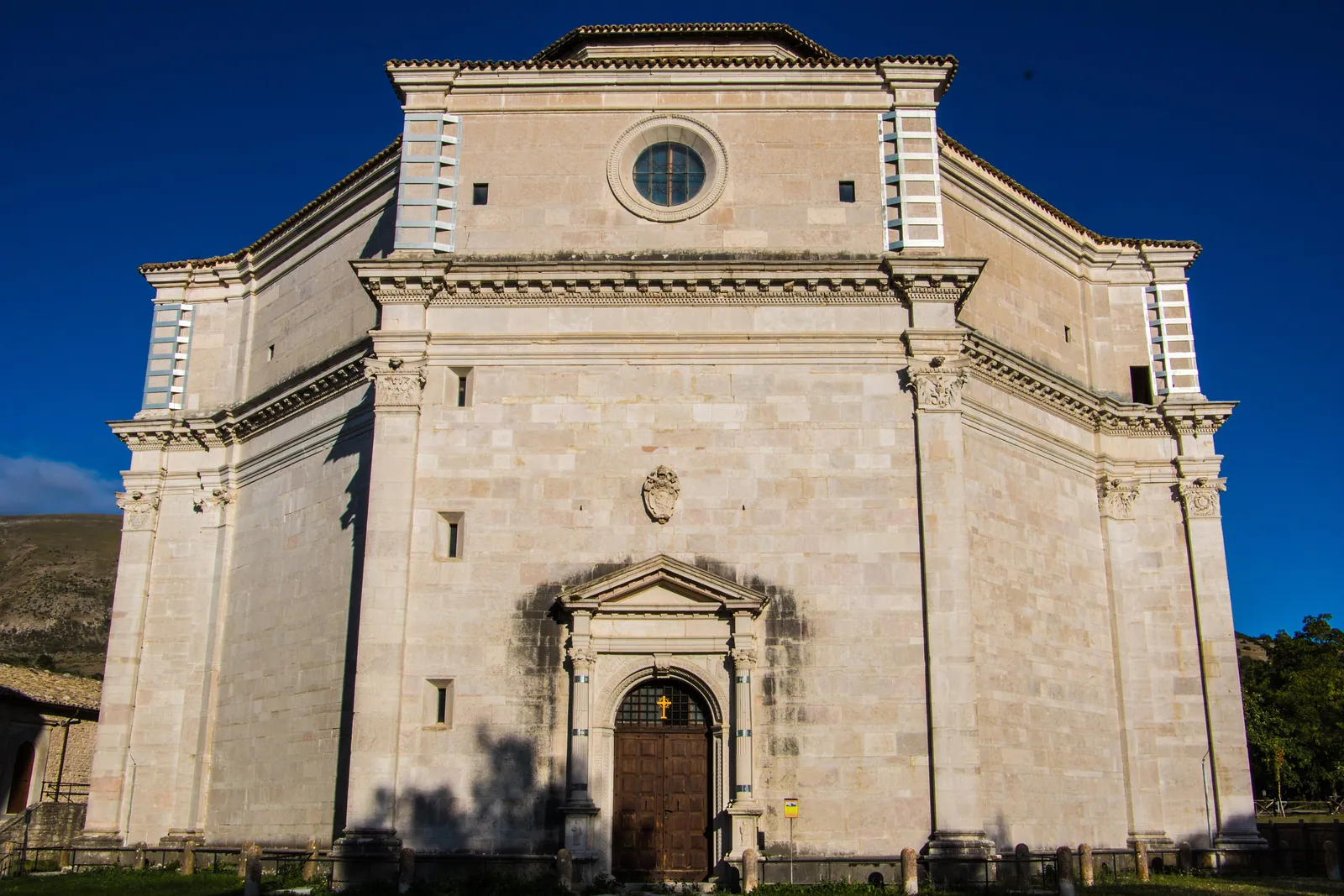
Churches of the Sibillini Mountains
The churches of the Sibillini Mountains are spread across dozens of towns and hamlets between the Marche and Umbria: isolated Romanesque pievi (parish churches) in the countryside, Franciscan and Augustinian churches in the historic centers, small oratories and votive chapels. Many have medieval origins and preserve 15th- and 16th-century frescoes, often by painters tied to the area such as the Sparapane or the masters of the Mevale school, as well as wooden crucifixes and carved altars.
The 2016 earthquake hit this heritage hard. The Basilica of San Benedetto in Norcia was devastated by the collapse of its bell tower and reopened for worship on October 30 and 31, 2025; the Basilica of San Venanzio in Camerino, made unusable by the earthquake, reopened in December 2019. For many other churches the current condition must be checked case by case. A broader overview is on the page history, art and legends of the Sibillini Mountains.
The places
228 results
- ChurchAbbey of Santa Maria delle Macchie (San Ginesio)Church · San Ginesio
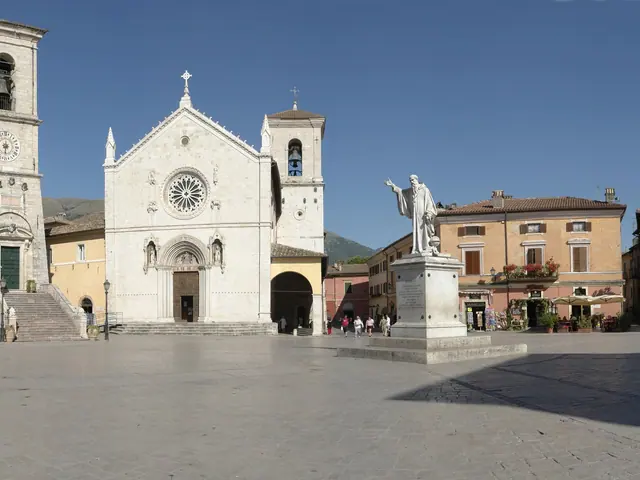 Basilica of San Benedetto in NorciaChurch · Norcia
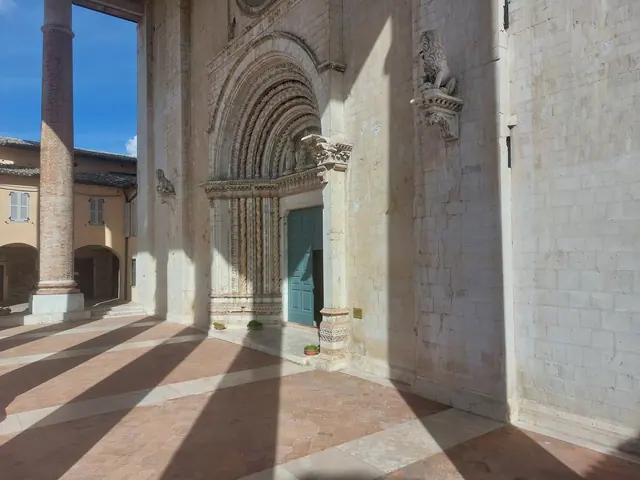 Basilica of San Venanzio (Camerino)Church · Camerino
- ChurchCasa Gioiosa Chapel (Montemonaco)Church · Montemonaco
- ChurchChurch of Santi Cosma e Damiano (Pieve Torina)Church · Pieve Torina
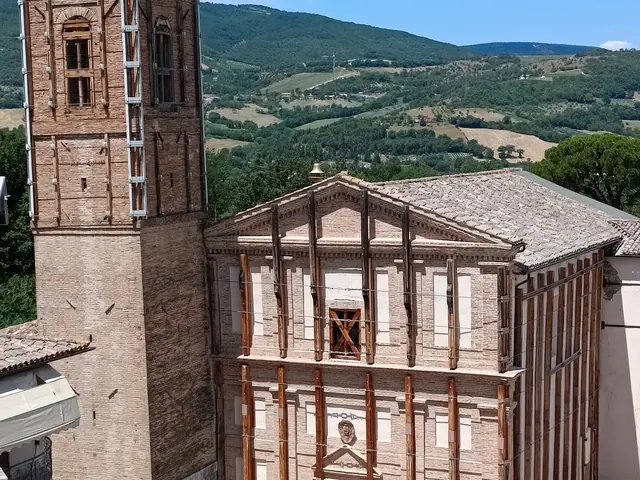 Church of Santi Gregorio e Valentino (Caldarola)Church · Caldarola
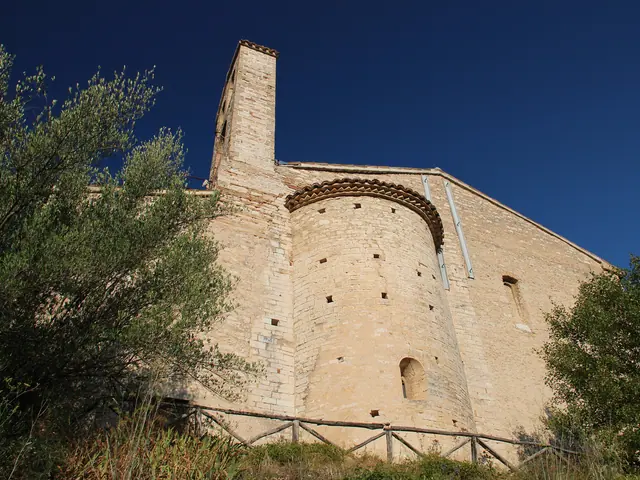 Church of Santi Martino e Giorgio (Caldarola)Church · Caldarola
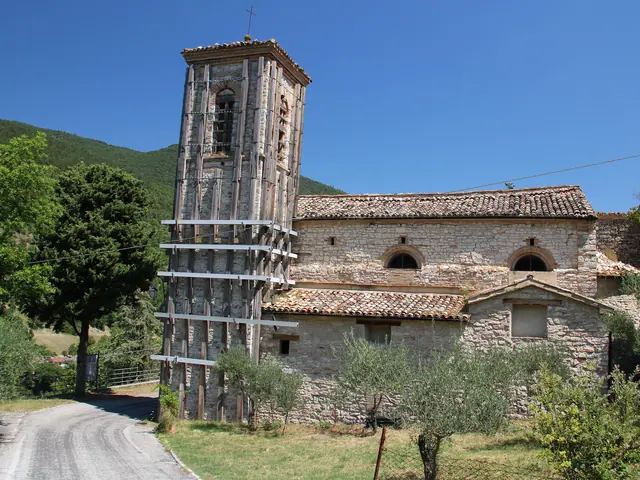 Church of Santi Pietro e Biagio (Caldarola)Church · Caldarola
- ChurchChurch of Santi Pietro e Paolo (Arquata del Tronto)Church · Arquata del Tronto
- ChurchChurch of Santi Pietro e Paolo (Pieve Torina)Church · Pieve Torina
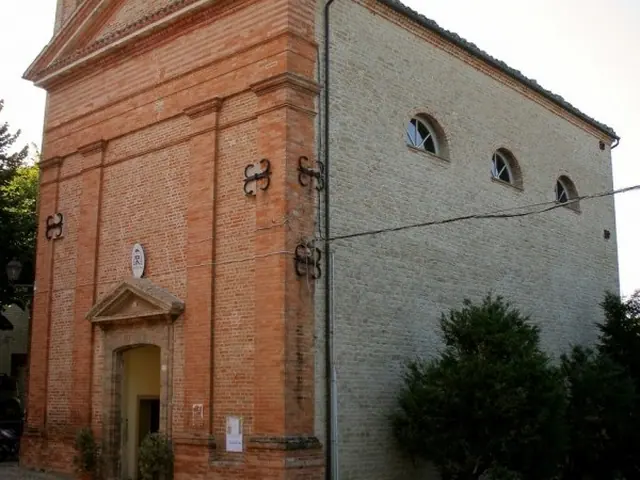 Church of Santi Pietro e Paolo (Smerillo)Church · Smerillo
- ChurchChurch of Santi Rocco e Sebastiano (Ussita)Church · Ussita
- ChurchChurch of Rosario (Valfornace)Church · Valfornace
- Church of Santissimo Crocifisso (Fiastra)Guide
- ChurchChurch of Santissimo Crocifisso in ValfornaceChurch · Valfornace
- ChurchChurch of Santissimo Crocifisso in VissoChurch · Visso
- ChurchChurch of Santissimo Redentore e Santa Maria (Visso)Church · Visso
- ChurchChurch of Santissimo Salvatore (Arquata del Tronto)Church · Arquata del Tronto
- ChurchChurch of Santissimo Salvatore in CamerinoChurch · Camerino
- ChurchChurch of Santissimo Salvatore in FiastraChurch · Fiastra
- ChurchChurch of Madonna a Monte Aguzzo (Valfornace)Church · Valfornace
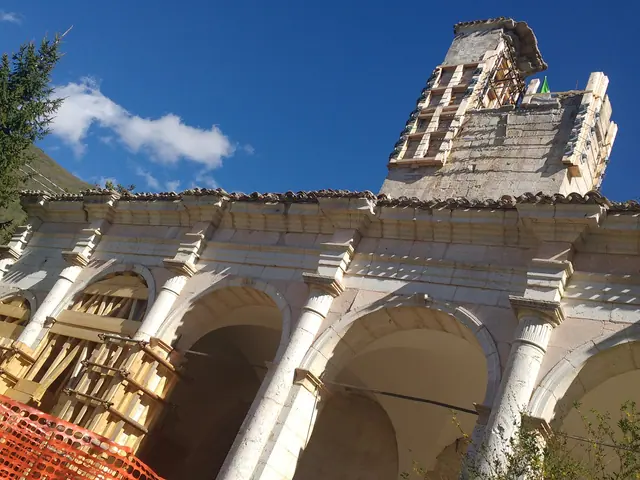 Church of Madonna Bianca (Norcia)Church · Norcia
- ChurchChurch of Madonna del Domo (Castelsantangelo sul Nera)Church · Castelsantangelo sul Nera
- ChurchChurch of Madonna della Cona (Castelsantangelo sul Nera)Church · Castelsantangelo sul Nera
- ChurchChurch of Madonna della Neve (Arquata del Tronto)Church · Arquata del Tronto
- ChurchChurch of Madonna della Pace (Arquata del Tronto)Church · Arquata del Tronto
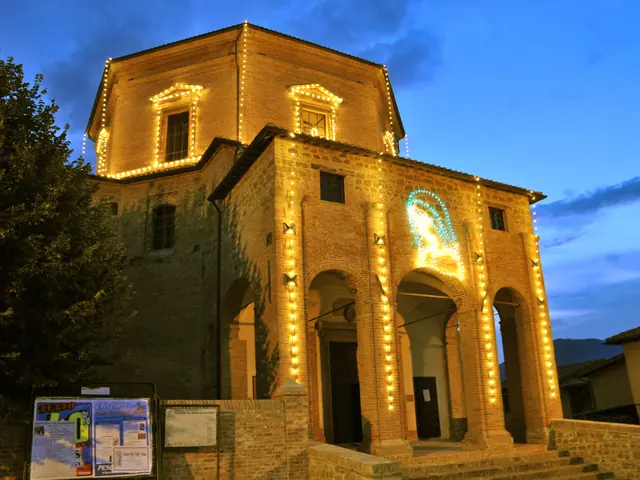 Church of Madonna delle Carceri (Camerino)Church · Camerino
- ChurchChurch of Madonna di Cardosa (Visso)Church · Visso
- ChurchChurch of Madonna di Rio Bagno (Fiastra)Church · Fiastra
- ChurchChurch of Madonna Immacolata (Ussita)Church · Ussita
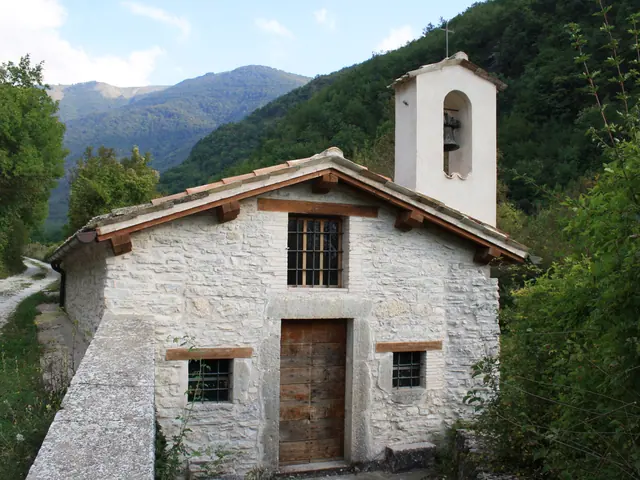 Church of Maina (Castelsantangelo sul Nera)Church · Castelsantangelo sul Nera
- ChurchChurch of Natività di Maria in Capolapiaggia (Camerino)Church · Camerino
- ChurchChurch of Santissima Annunziata (Acquasanta Terme)Church · Acquasanta Terme
- ChurchChurch of Santissima Annunziata in Arquata del TrontoChurch · Arquata del Tronto
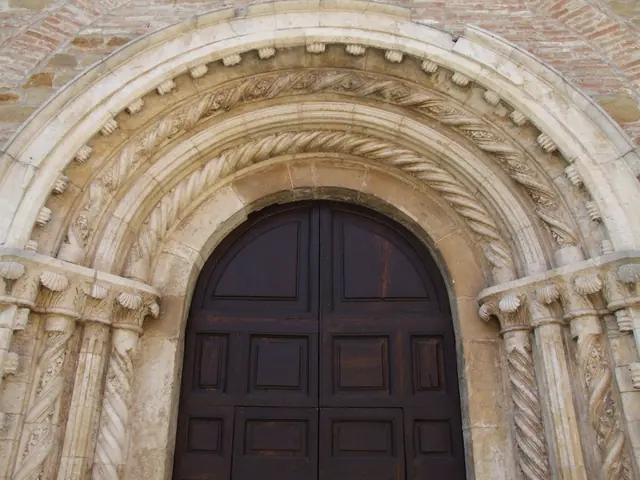 Church of Santissima Annunziata (Camerino)Church · Camerino
- ChurchChurch of Spirito Santo (Monte Cavallo)Church · Monte Cavallo
- ChurchChurch of Poggio d'Acera (San Ginesio)Church · San Ginesio
- ChurchChurch of San Benedetto (Monte Cavallo)Church · Monte Cavallo
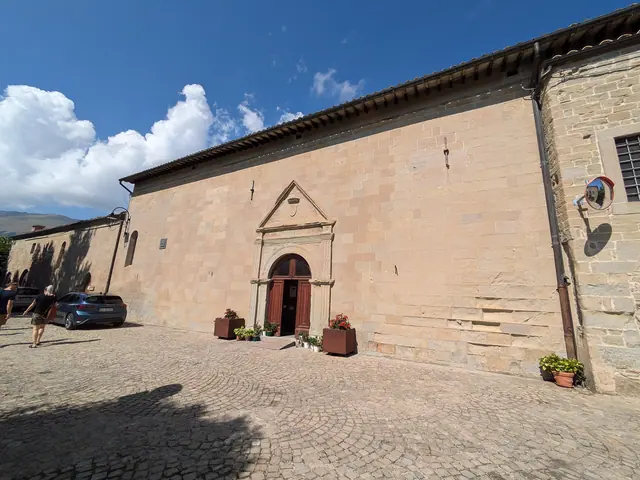 Church of San Benedetto (Montemonaco)Church · Montemonaco
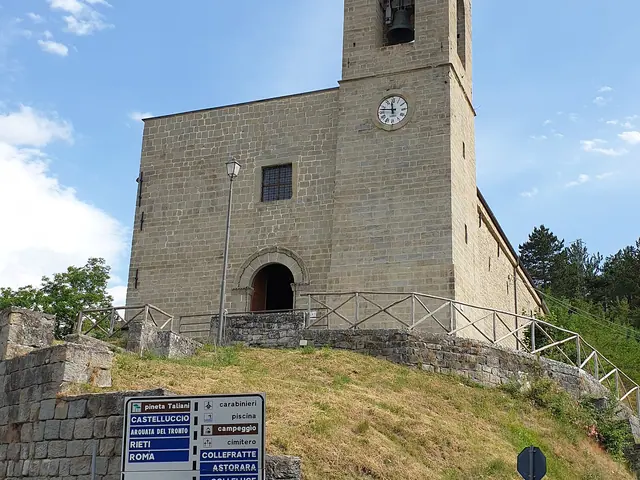 Church of San Bernardino (Montegallo)Church · Montegallo
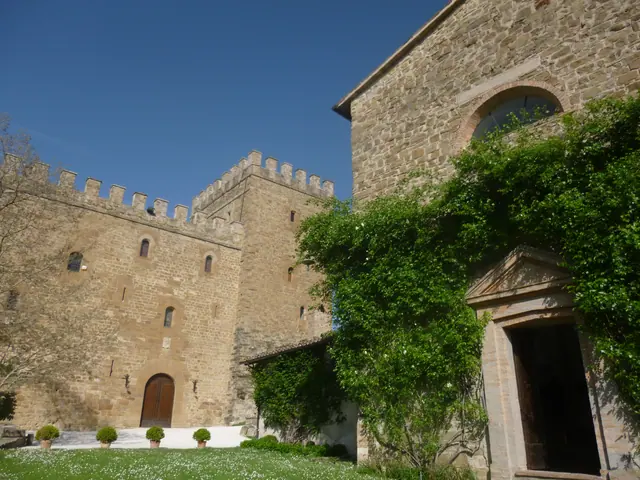 Church of San Biagio in Rocca d'Ajello (Camerino)Church · Camerino
- ChurchChurch of San Biagio intra moenia (Montemonaco)Church · Montemonaco
- ChurchChurch of San Biagio (Pieve Torina)Church · Pieve Torina
- ChurchChurch of San Biagio (Valfornace)Church · Valfornace
- ChurchChurch of San Cristoforo (Camerino)Church · Camerino
- ChurchChurch of San Cristoforo (Monte Cavallo)Church · Monte Cavallo
- ChurchChurch of San Filippo Neri (Camerino)Church · Camerino
- ChurchChurch of San Flaviano (Fiastra)Church · Fiastra
- ChurchChurch of San Flaviano (Valfornace)Church · Valfornace
- ChurchChurch of San Francesco and the Shroud of Arquata (Arquata del Tronto)Church · Arquata del Tronto
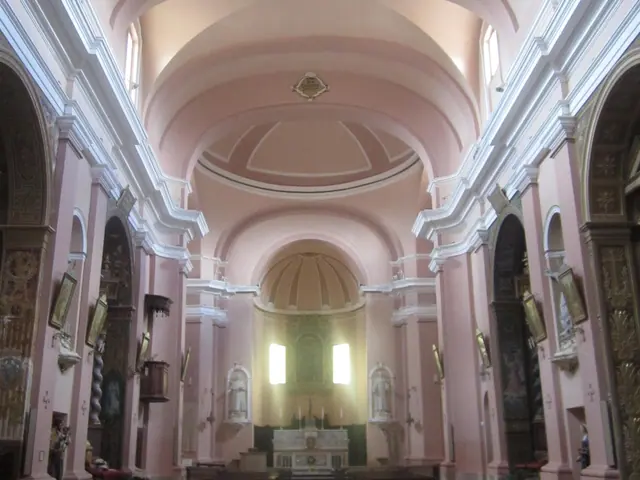 Church of San Francesco (San Ginesio)Church · San Ginesio
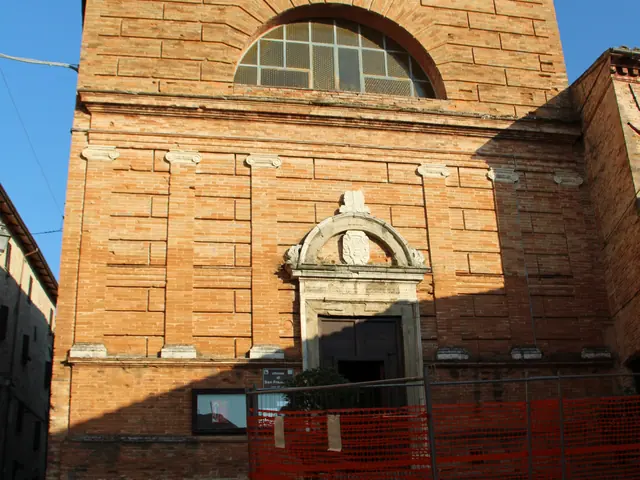 Church of San Francesco (Sarnano)Church · Sarnano
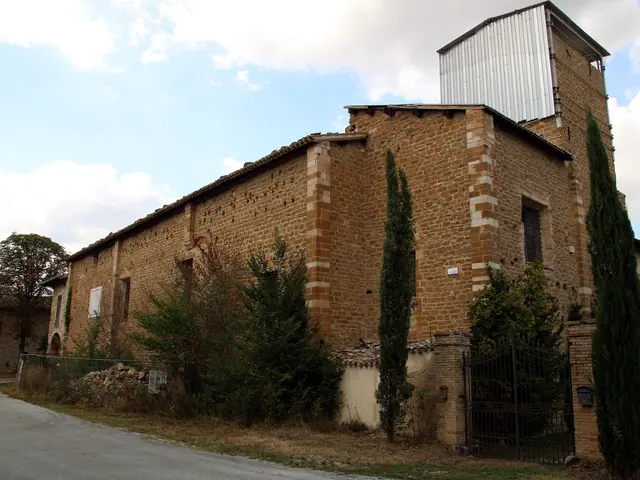 Church of San Francesco (Valfornace)Church · Valfornace
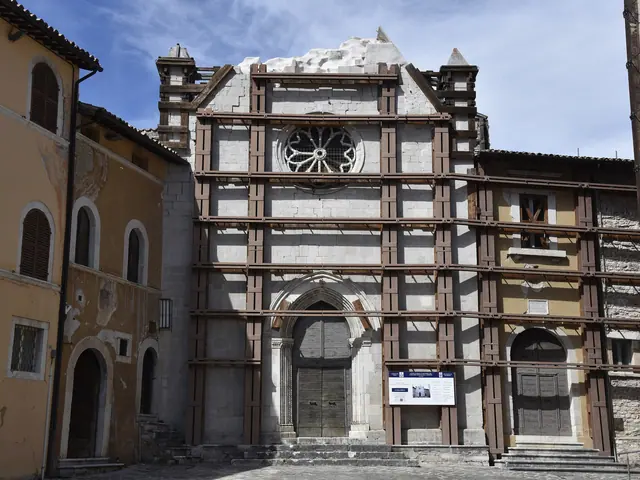 Church of San Francesco (Visso)Church · Visso
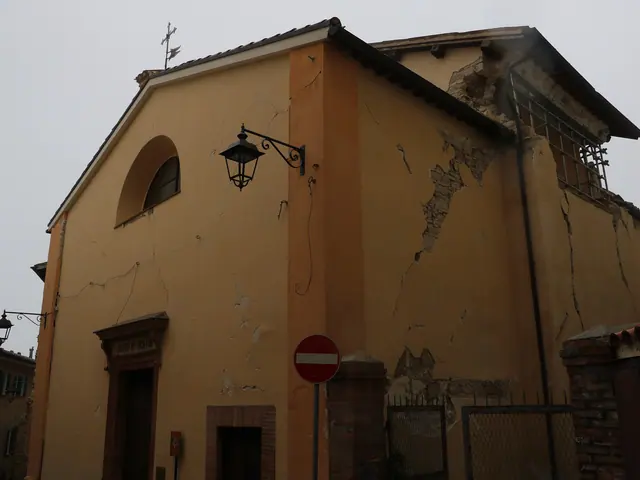 Church of San Giacomo (Camerino)Church · Camerino
- ChurchChurch of San Giacomo (Visso)Church · Visso
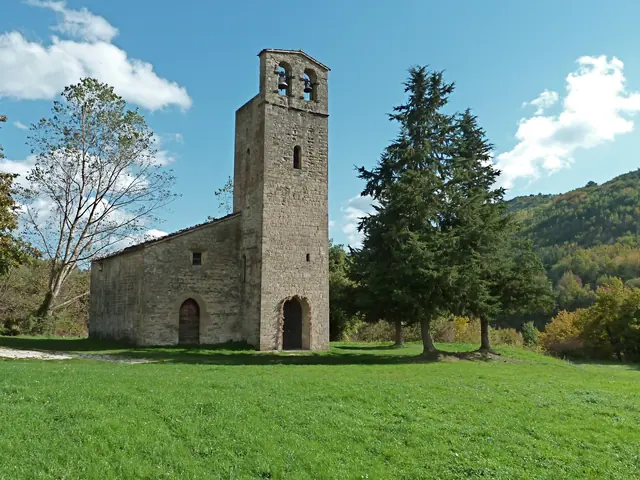 Church of San Giorgio all'Isola (Montemonaco)Church · Montemonaco
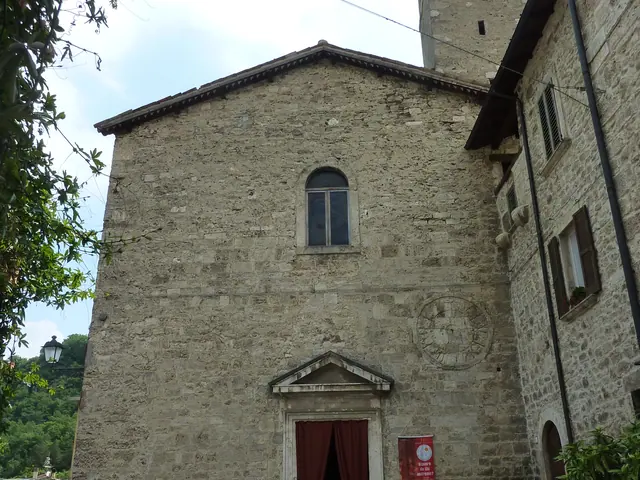 Church of San Giovanni Battista (Acquasanta Terme)Church · Acquasanta Terme
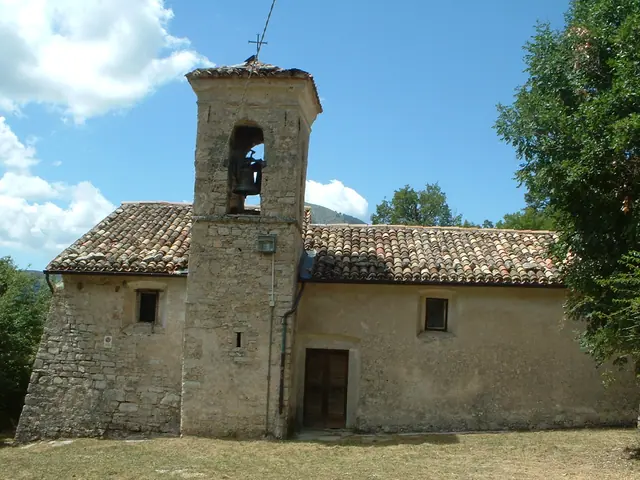 Church of San Giovanni Battista (Castelsantangelo sul Nera)Church · Castelsantangelo sul Nera
- ChurchChurch of San Giovanni Battista (Comunanza)Church · Comunanza
- ChurchChurch of San Giovanni Battista (Montegallo)Church · Montegallo
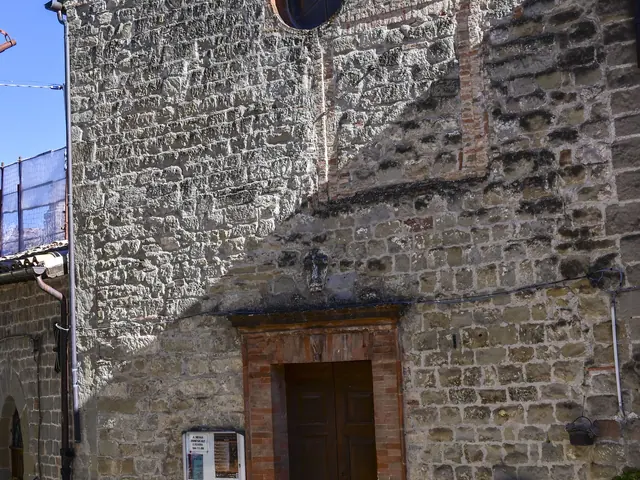 Church of San Giovanni Battista (Montemonaco)Church · Montemonaco
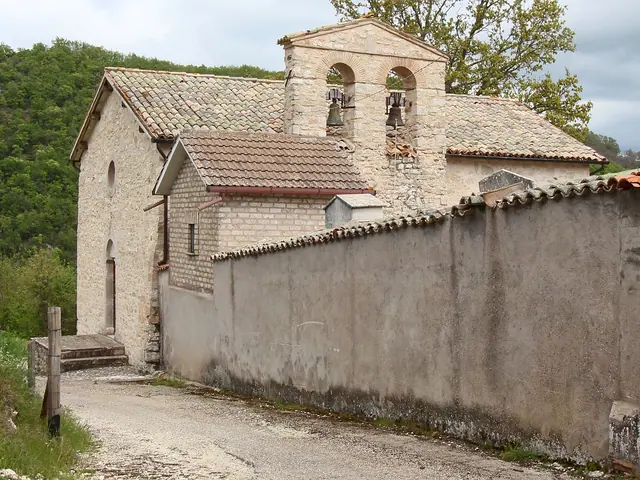 Church of San Giovanni Battista (Sellano)Church · Sellano
- ChurchChurch of San Giovanni Battista (Visso)Church · Visso
- ChurchChurch of San Giovanni Evangelista (Monte Cavallo)Church · Monte Cavallo
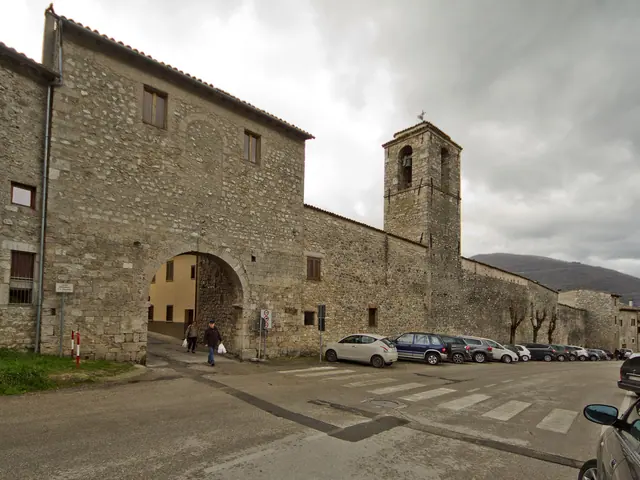 Church of San Giovanni (Norcia)Church · Norcia
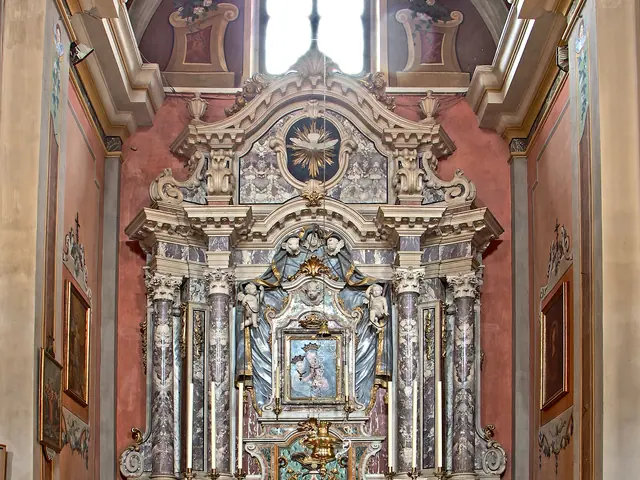 Church of San Giovanni (Pieve Torina)Church · Pieve Torina
- ChurchChurch of San Giovanni (Valfornace)Church · Valfornace
- ChurchChurch of San Giovanni (Visso)Church · Visso
- ChurchChurch of San Giuliano (Camerino)Church · Camerino
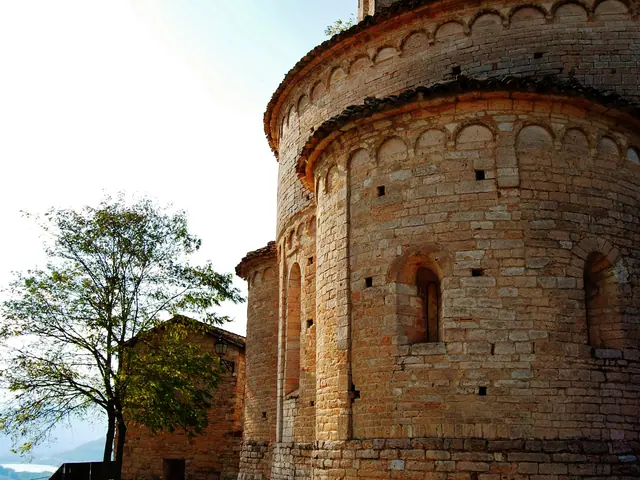 Church of San Giusto in San Maroto (Valfornace)Church · Valfornace
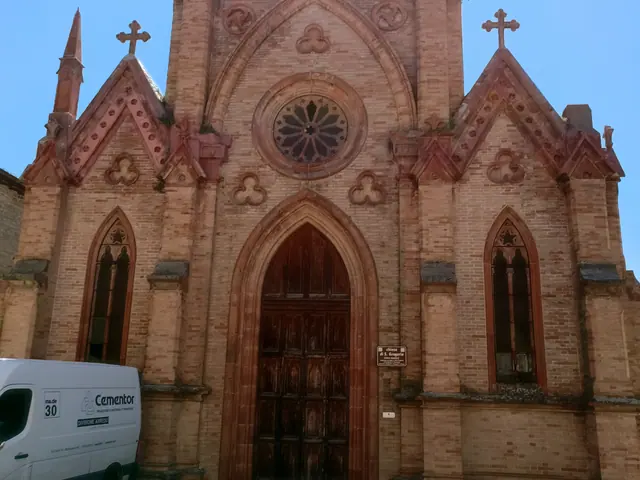 Church of San Gregorio (San Ginesio)Church · San Ginesio
- ChurchChurch of San Gregorio (Valfornace)Church · Valfornace
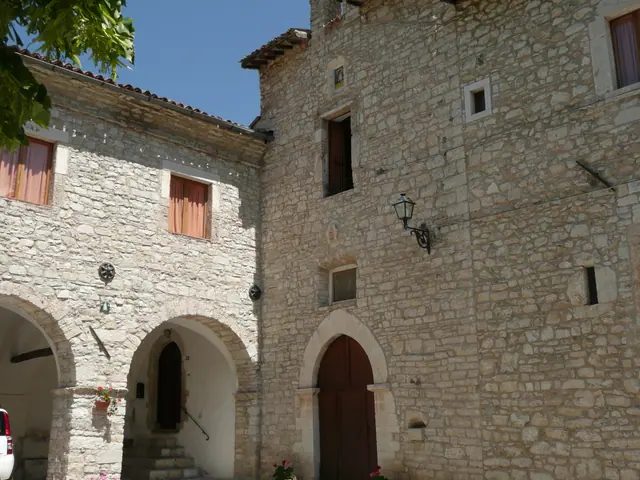 Church of San Liberatore (Castelsantangelo sul Nera)Church · Castelsantangelo sul Nera
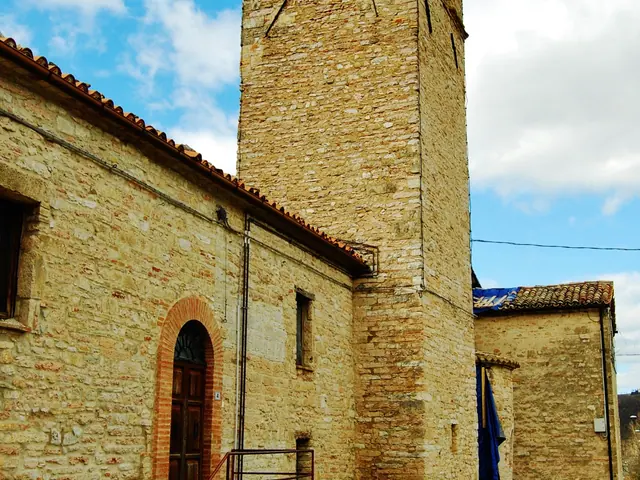 Church of San Lorenzo (Fiastra)Church · Fiastra
- ChurchChurch of San Lorenzo (Monte Cavallo)Church · Monte Cavallo
- ChurchChurch of San Lorenzo (Visso)Church · Visso
- ChurchChurch of San Luca (Camerino)Church · Camerino
- ChurchChurch of San Macario (Camerino)Church · Camerino
- ChurchChurch of San Marcello (Camerino)Church · Camerino
- ChurchChurch of San Marco in Colpolina (Fiastra)Church · Fiastra
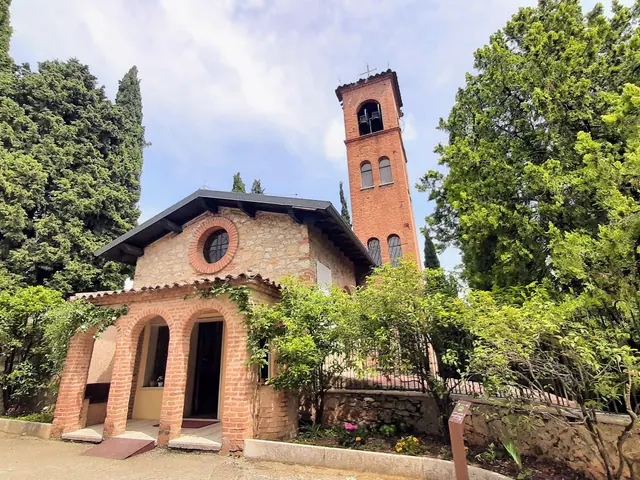 Church of San Marco (Valfornace)Church · Valfornace
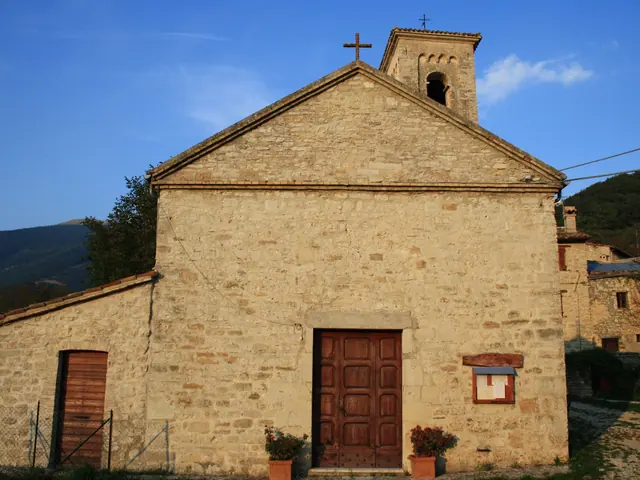 Church of San Martino (Castelsantangelo sul Nera)Church · Castelsantangelo sul Nera
- ChurchChurch of San Martino dei Gualdesi (Castelsantangelo sul Nera)Church · Castelsantangelo sul Nera
- ChurchChurch of San Martino in Tedico (Fiastra)Church · Fiastra
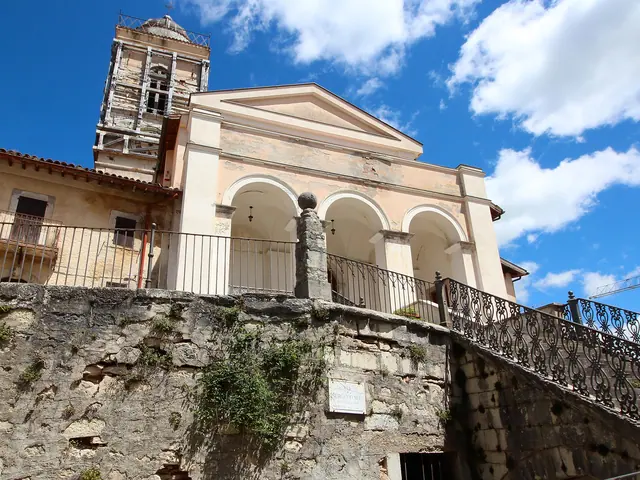 Church of San Martino (Preci)Church · Preci
- ChurchChurch of San Matteo (Arquata del Tronto)Church · Arquata del Tronto
- ChurchChurch of San Mauro (Valfornace)Church · Valfornace
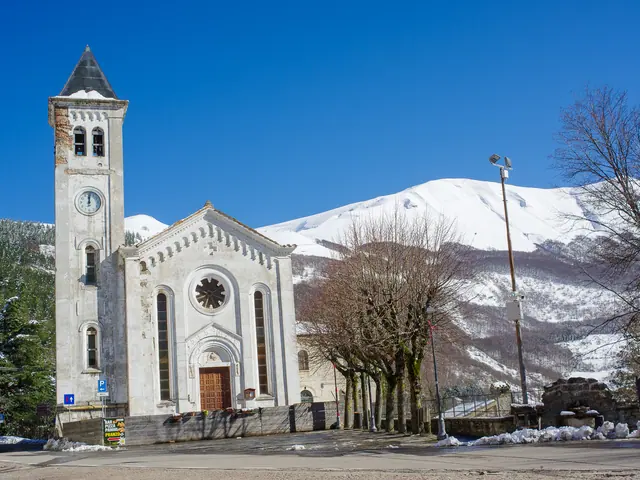 Church of San Michele Arcangelo (Bolognola)Church · Bolognola
- ChurchChurch of San Michele Arcangelo (Camerino)Church · Camerino
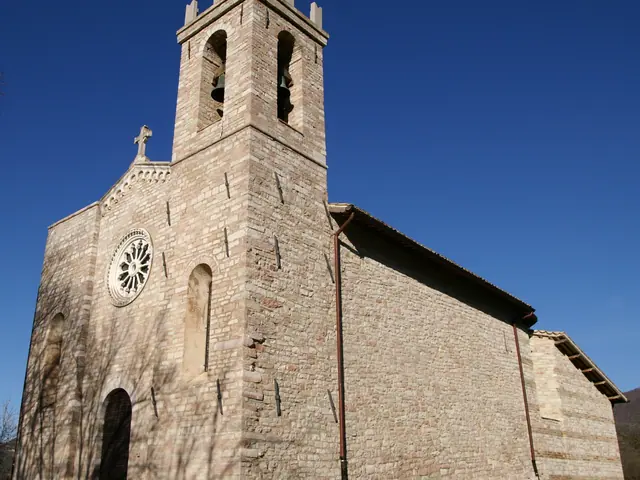 Church of San Michele Arcangelo (Pieve Torina)Church · Pieve Torina
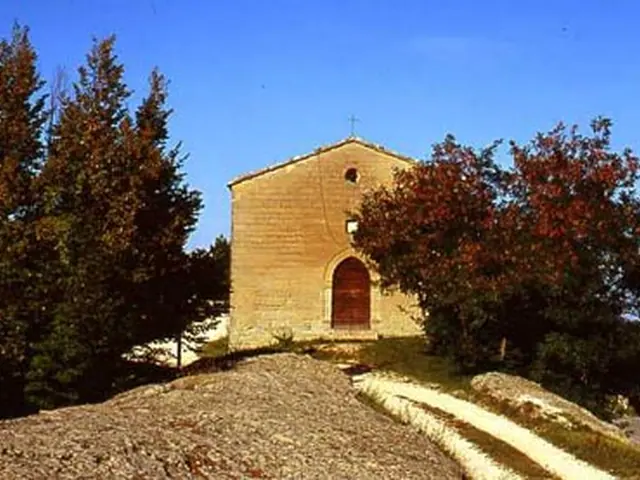 Church of San Michele (Montemonaco)Church · Montemonaco
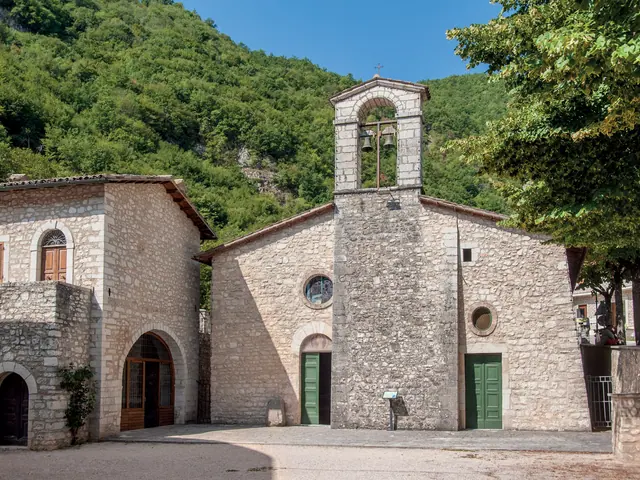 Church of San Montano (Cascia)Church · Cascia
- ChurchChurch of San Nicolò (Bolognola)Church · Bolognola
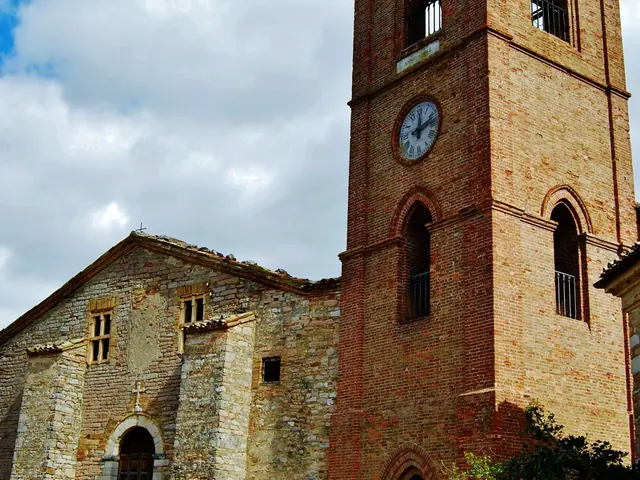 Church of San Paolo Apostolo (Fiastra)Church · Fiastra
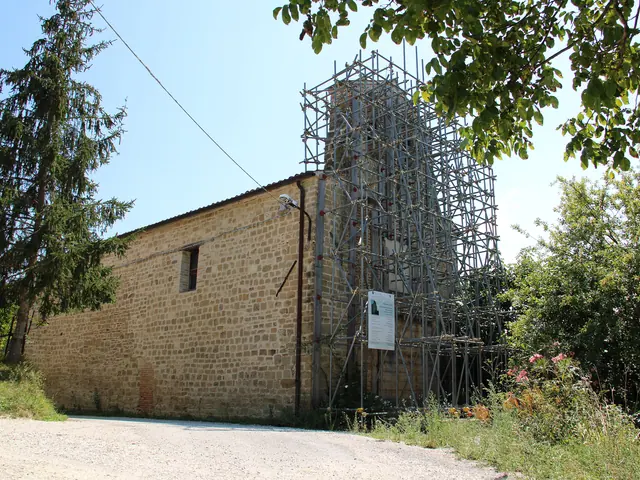 Church of San Pietro Apostolo (Amandola)Church · Amandola
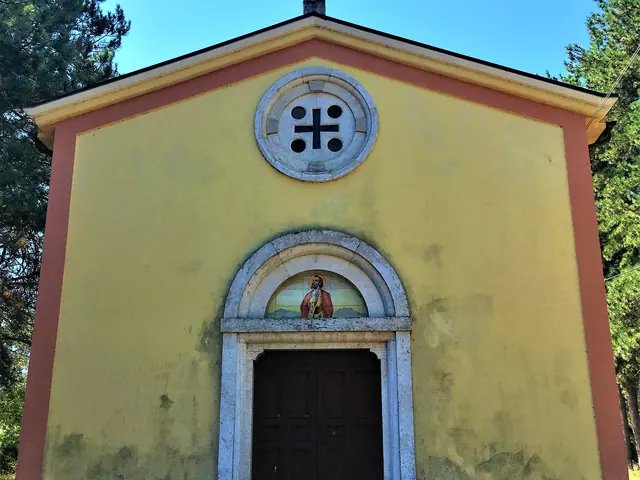 Church of San Pietro Apostolo (Comunanza)Church · Comunanza
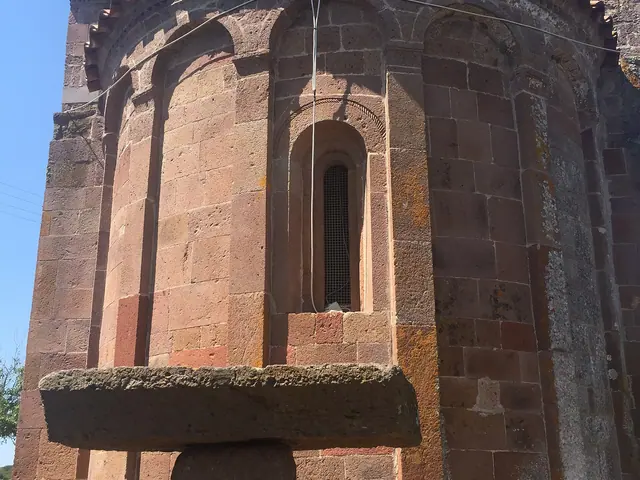 Church of San Pietro (Camerino)Church · Camerino
- ChurchChurch of San Pietro (Castelsantangelo sul Nera)Church · Castelsantangelo sul Nera
- ChurchChurch of San Pietro (Pieve Torina)Church · Pieve Torina
- ChurchChurch of San Rocco (Fiastra)Church · Fiastra
- ChurchChurch of San Rocco (Pieve Torina)Church · Pieve Torina
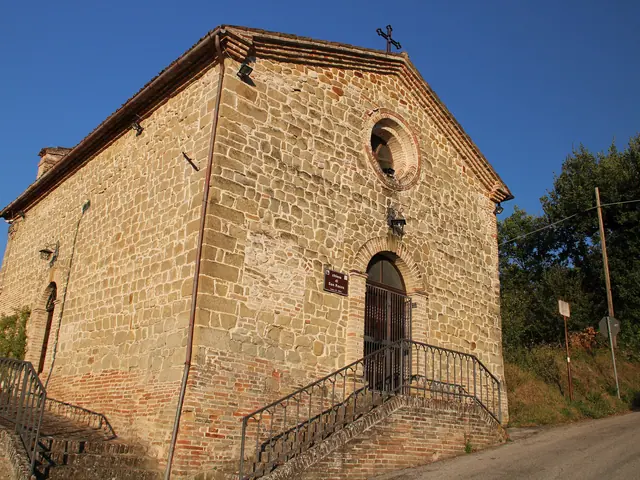 Church of San Rocco (Sarnano)Church · Sarnano
- ChurchChurch of San Savino (Camerino)Church · Camerino
- ChurchChurch of San Savino (Gualdo)Church · Gualdo
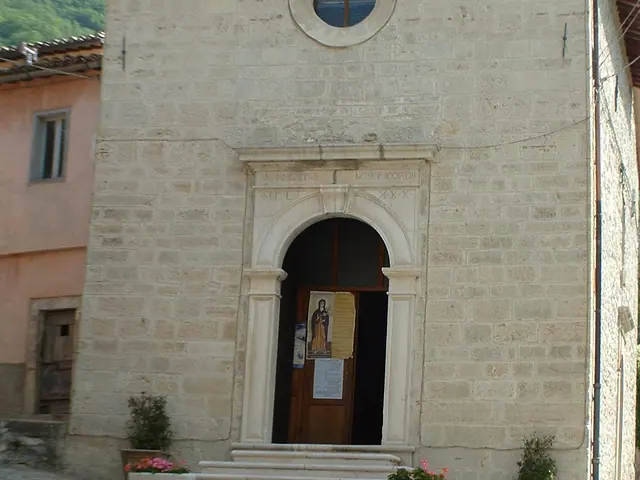 Church of San Sebastiano (Castelsantangelo sul Nera)Church · Castelsantangelo sul Nera
- ChurchChurch of San Sebastiano (Valfornace)Church · Valfornace
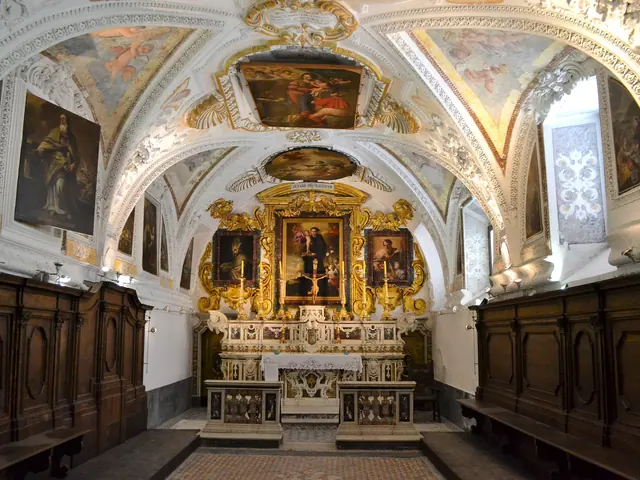 Church of San Severo (Camerino)Church · Camerino
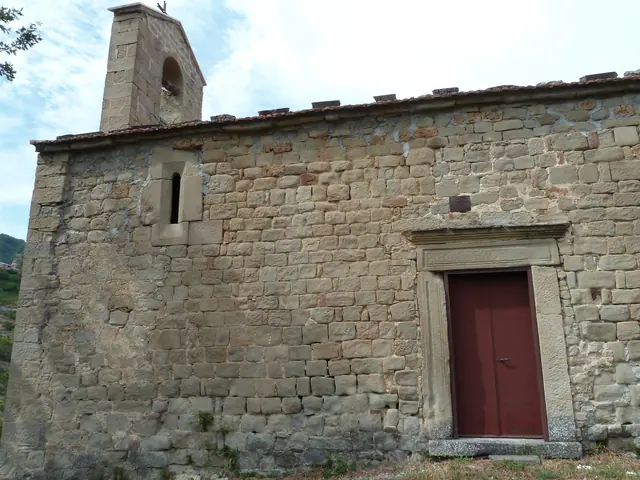 Church of San Silvestro (Acquasanta Terme)Church · Acquasanta Terme
- ChurchChurch of San Silvestro (Arquata del Tronto)Church · Arquata del Tronto
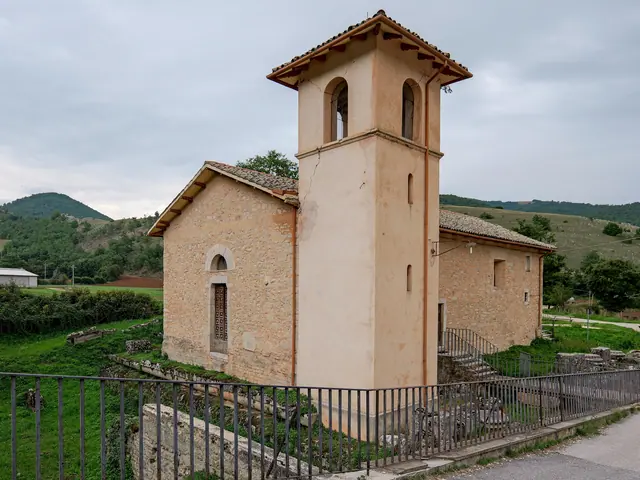 Church of San Silvestro (Cascia)Church · Cascia
- ChurchChurch of San Vito (Norcia)Church · Norcia
- ChurchChurch of San Vittorino (Castelsantangelo sul Nera)Church · Castelsantangelo sul Nera
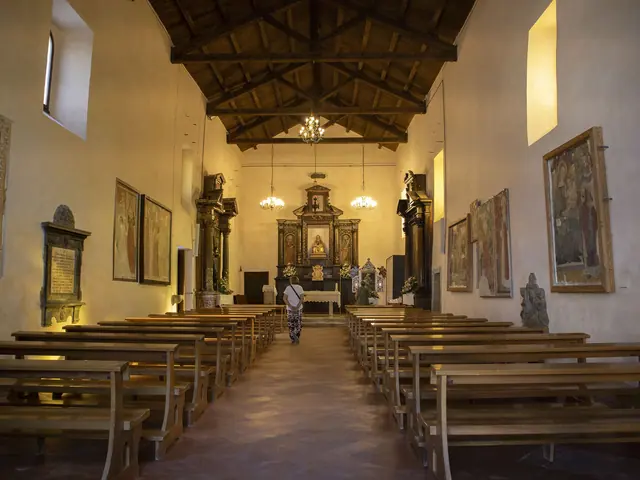 Church of Sant'Agata (Arquata del Tronto)Church · Arquata del Tronto
- ChurchChurch of Sant'Agata (Pieve Torina)Church · Pieve Torina
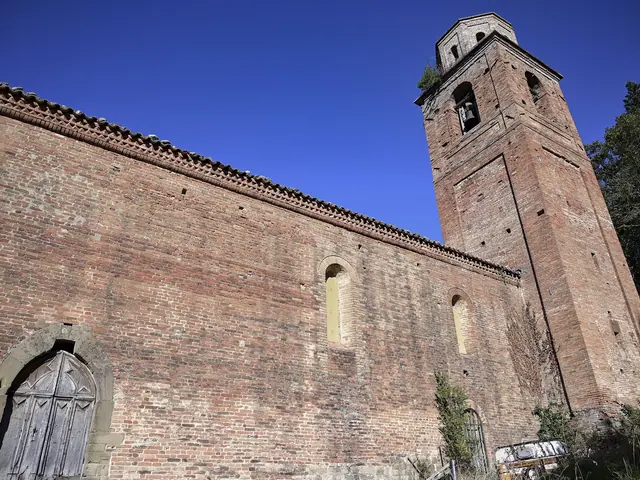 Church of Sant'Agostino (Montefortino)Church · Montefortino
- ChurchChurch of Sant'Andrea Apostolo (Ussita)Church · Ussita
- ChurchChurch of Sant'Andrea (Cessapalombo)Church · Cessapalombo
- ChurchChurch of Sant'Andrea (Montemonaco)Church · Montemonaco
- ChurchChurch of Sant'Andrea (Visso)Church · Visso
- ChurchChurch of Sant'Anna (Camerino)Church · Camerino
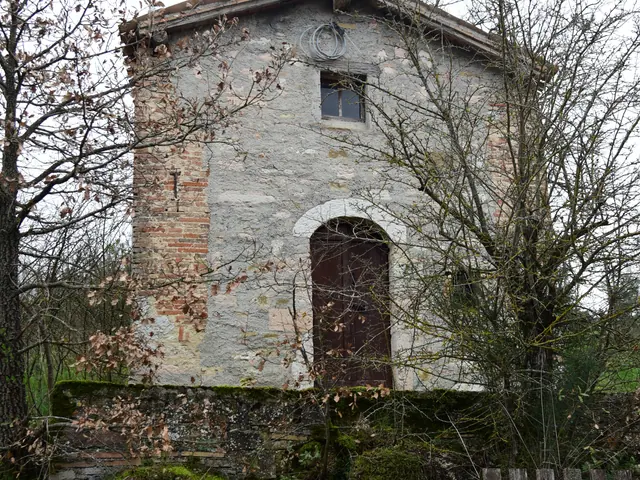 Church of Sant'Antonio (Camerino)Church · Camerino
- ChurchChurch of Sant'Antonio (Castelsantangelo sul Nera)Church · Castelsantangelo sul Nera
- ChurchChurch of Sant'Antonio (Visso)Church · Visso
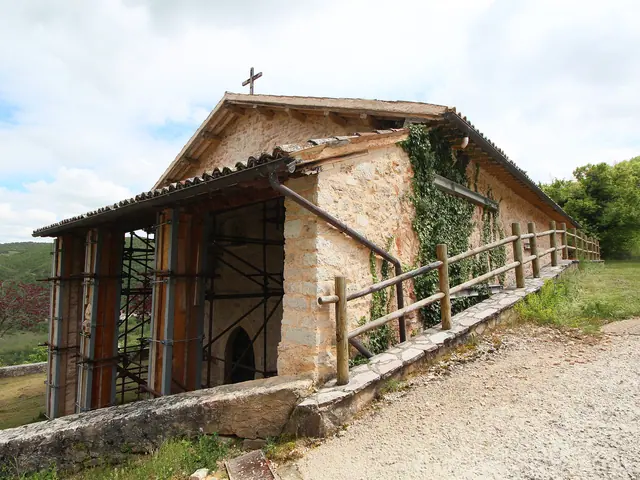 Church of Sant'Egidio (Preci)Church · Preci
- ChurchChurch of Sant'Erasmo (Camerino)Church · Camerino
- ChurchChurch of Sant'Ercolano (Ussita)Church · Ussita
- ChurchChurch of Sant'Ilario (Fiastra)Church · Fiastra
- ChurchChurch of Sant'Ilario (Pieve Torina)Church · Pieve Torina
- ChurchChurch of Santa Caterina (Caldarola)Church · Caldarola
- ChurchChurch of Santa Caterina (Camerino)Church · Camerino
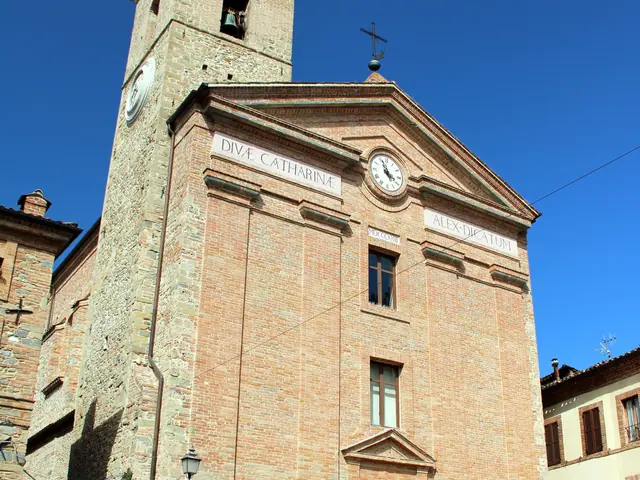 Church of Santa Caterina d'Alessandria (Comunanza)Church · Comunanza
- ChurchChurch of Santa Croce (Arquata del Tronto)Church · Arquata del Tronto
- ChurchChurch of Santa Croce (Camerino)Church · Camerino
- ChurchChurch of Santa Croce Vecchia (Ussita)Church · Ussita
- ChurchChurch of Santa Lucia (Camerino)Church · Camerino
- ChurchChurch of Santa Lucia (Castelsantangelo sul Nera)Church · Castelsantangelo sul Nera
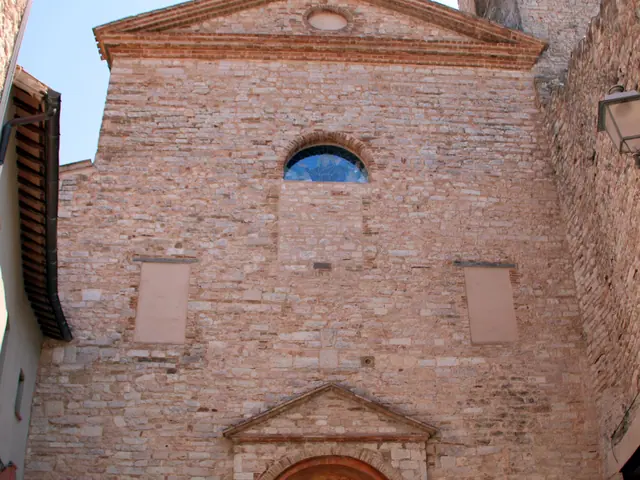 Church of Santa Maria Assunta (Caldarola)Church · Caldarola
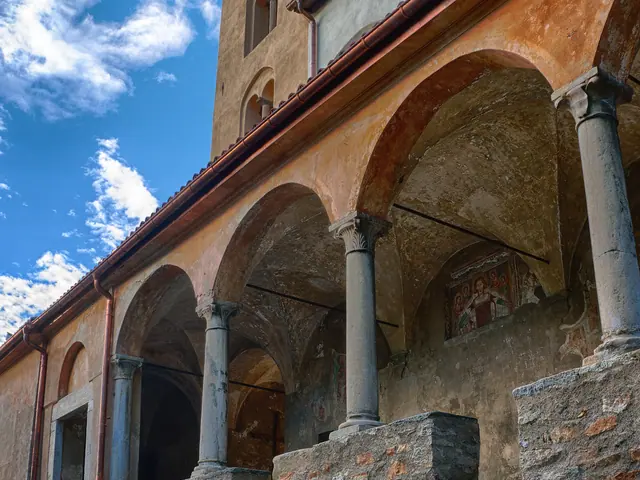 Church of Santa Maria Assunta (Camerino)Church · Camerino
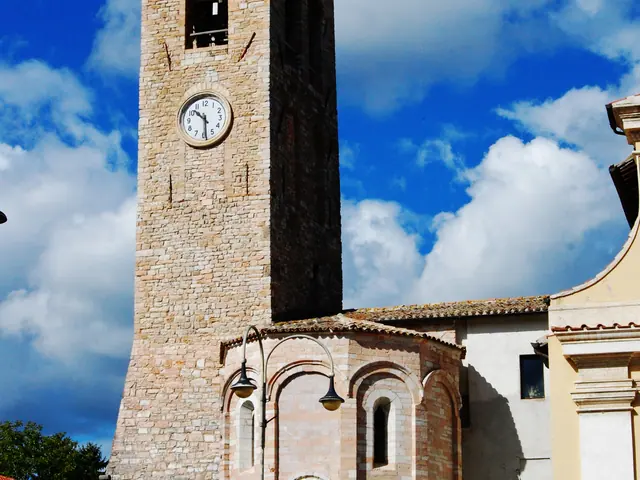 Church of Santa Maria Assunta (Pieve Torina)Church · Pieve Torina
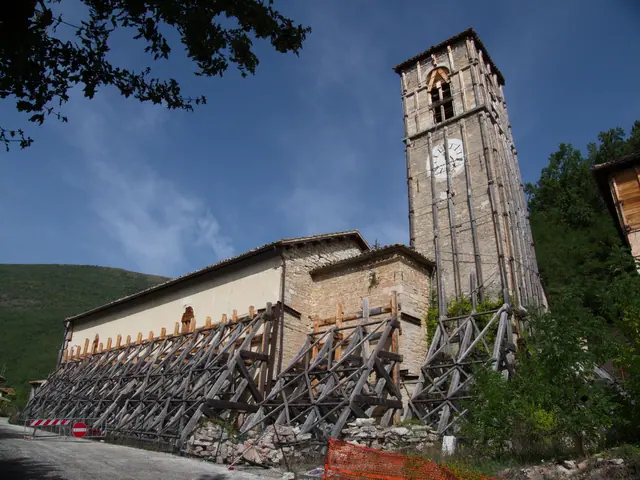 Church of Santa Maria Assunta (Ussita)Church · Ussita
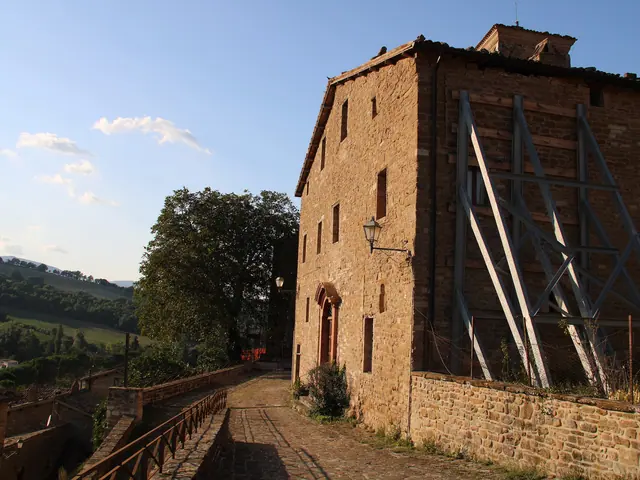 Church of Santa Maria Assunta (Valfornace)Church · Valfornace
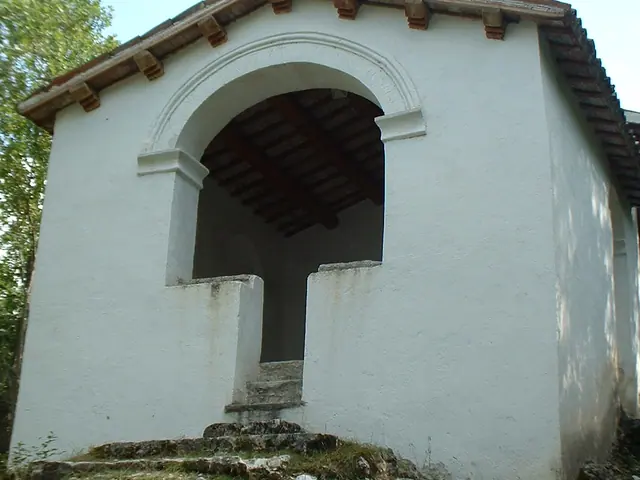 Church of Santa Maria (Castelsantangelo sul Nera)Church · Castelsantangelo sul Nera
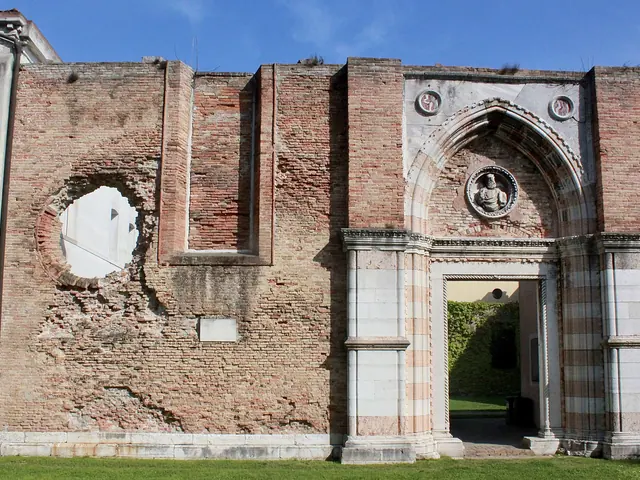 Church of Santa Maria dei Servi (Camerino)Church · Camerino
- ChurchChurch of Santa Maria della Pietà in PreciChurch · Preci
- ChurchChurch of Santa Maria delle Grazie in Arquata del TrontoChurch · Arquata del Tronto
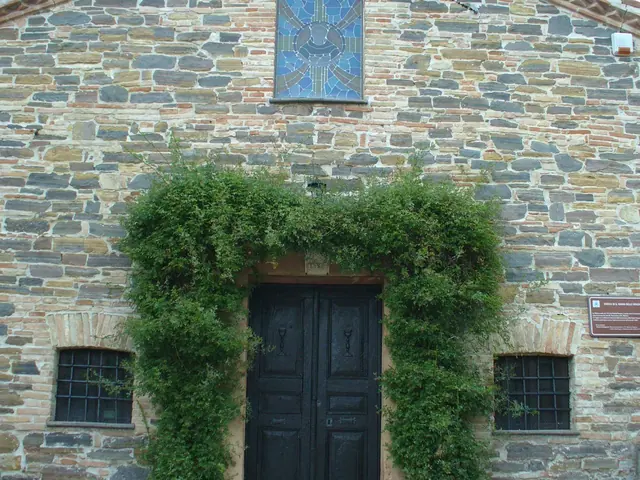 Church of Santa Maria delle Grazie in CaldarolaChurch · Caldarola
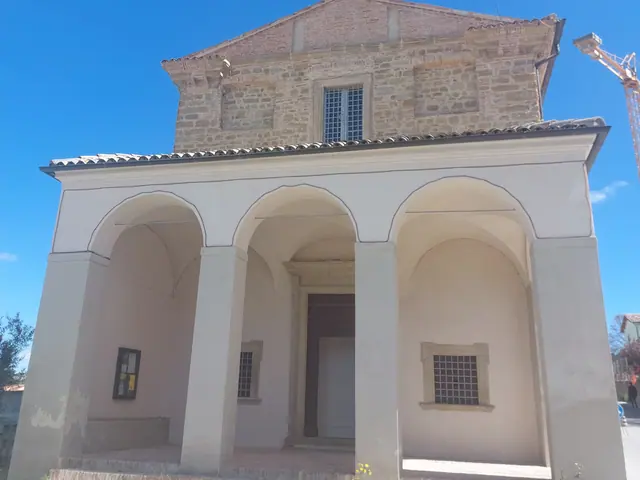 Church of Santa Maria delle Grazie in CamerinoChurch · Camerino
- ChurchChurch of Santa Maria delle Grazie in VissoChurch · Visso
- ChurchChurch of Santa Maria di Caspriano in Pieve TorinaChurch · Pieve Torina
- ChurchChurch of Santa Maria in Lapide in MontegalloChurch · Montegallo
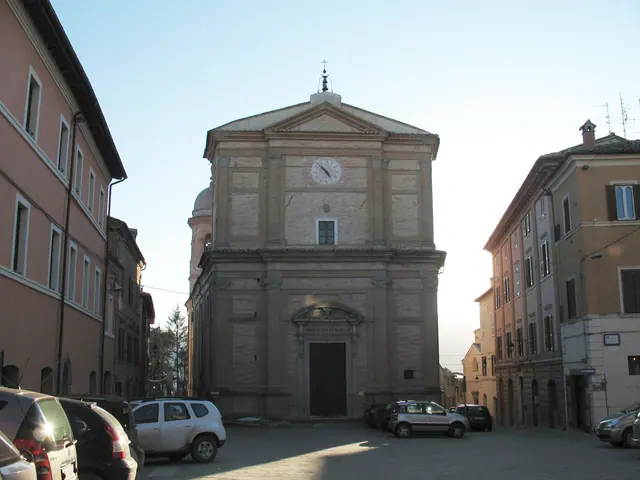 Church of Santa Maria in Via in CamerinoChurch · Camerino
- ChurchChurch of Santa Maria Maddalena in FiastraChurch · Fiastra
- ChurchChurch of Santa Maria Maddalena in Pieve TorinaChurch · Pieve Torina
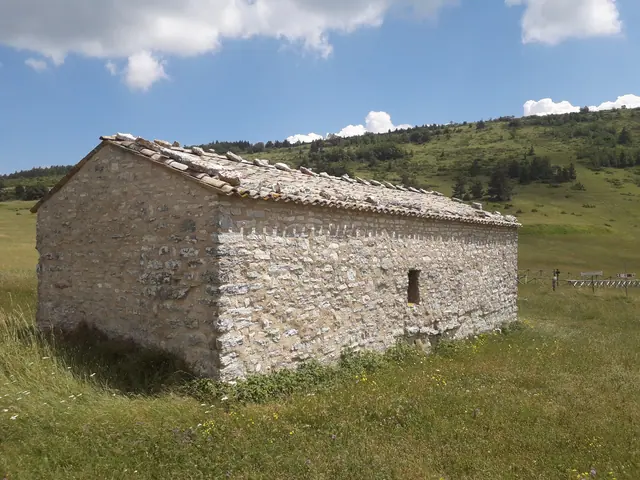 Church of Santa Maria Maddalena in ValfornaceChurch · Valfornace
- ChurchChurch of Santa Scolastica in UssitaChurch · Ussita
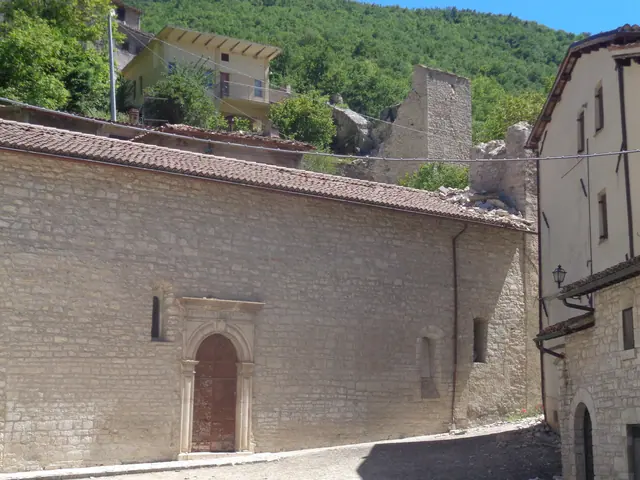 Church of Santo Spirito in Castelsantangelo sul NeraChurch · Castelsantangelo sul Nera
- ChurchChurch of Santo Stefano in CamerinoChurch · Camerino
- ChurchChurch of Santo Stefano in Castelsantangelo sul NeraChurch · Castelsantangelo sul Nera
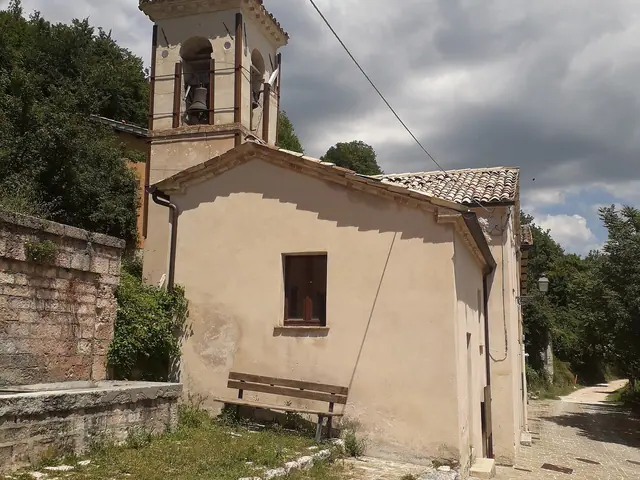 Church of Santo Stefano in Monte CavalloChurch · Monte Cavallo
- ChurchChurch of Santo Stefano in UssitaChurch · Ussita
- ChurchChurch and Cloister of San Francesco in AmandolaChurch · Amandola
- ChurchChurch of Madonna del Vallone in FiastraChurch · Fiastra
- ChurchChurch of San Michele Arcangelo in Norcia (Savelli)Church · Norcia
- ChurchChurches of the Historic Center of MontefortinoChurch · Montefortino
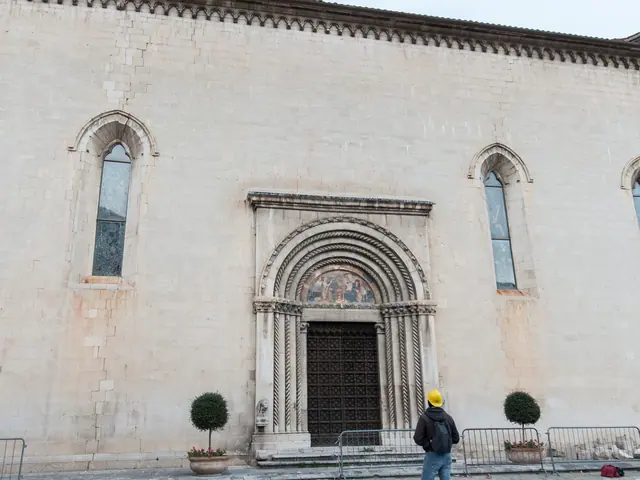 Collegiate Church of Maria Santissima in VissoChurch · Visso
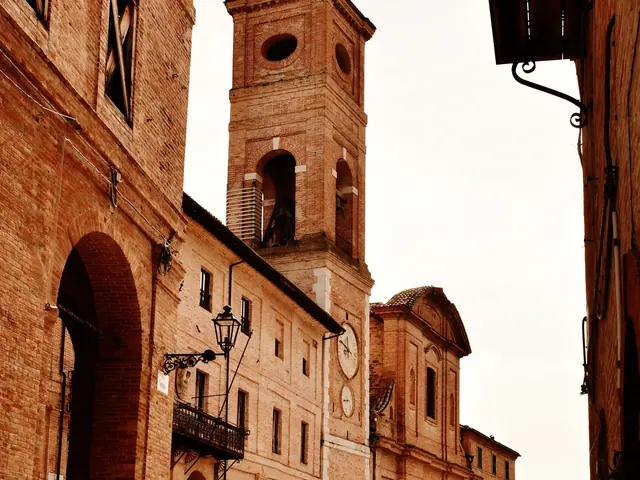 Collegiate Church of San Martino in CaldarolaChurch · Caldarola
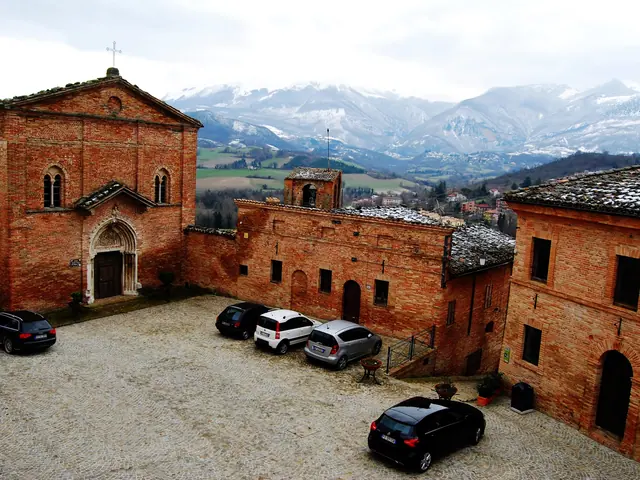 Collegiate Church of Santa Maria Assunta in SarnanoChurch · Sarnano
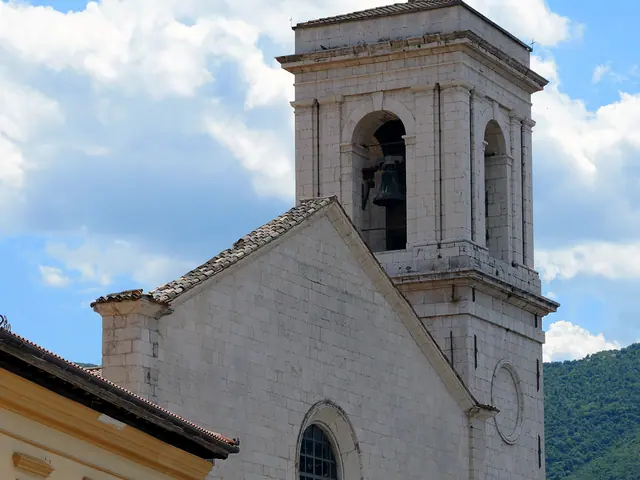 Co-Cathedral of Santa Maria Argentea in NorciaChurch · Norcia
- ChurchMadonna della Valle (Cessapalombo)Church · Cessapalombo
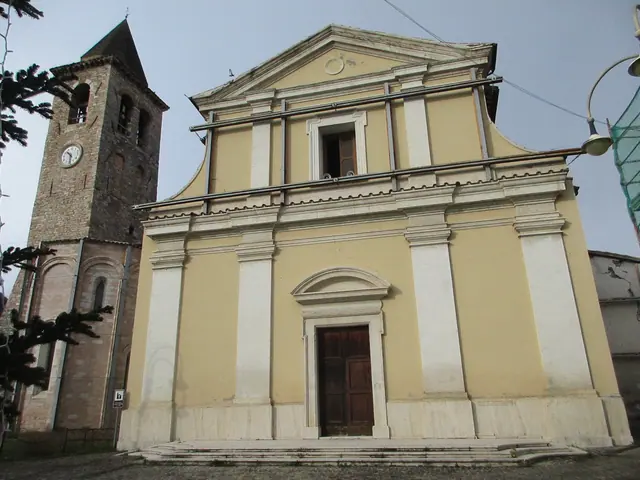 Parish Church of Santa Maria (Pieve Torina)Church · Pieve Torina
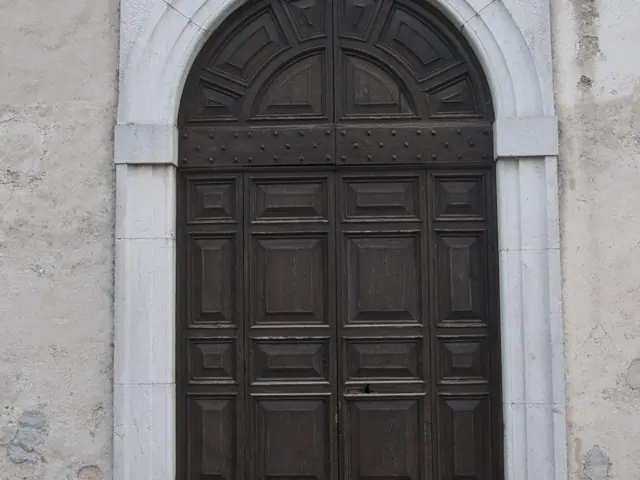 Sant'Antonio (Campi, Norcia)Church · Norcia
- ChurchSan Michele Arcangelo in MontefortinoChurch · Montefortino
- ChurchSan Michele Arcangelo in Montegallo (Castro)Church · Montegallo
- ChurchSan Pellegrino (Norcia)Church · Norcia
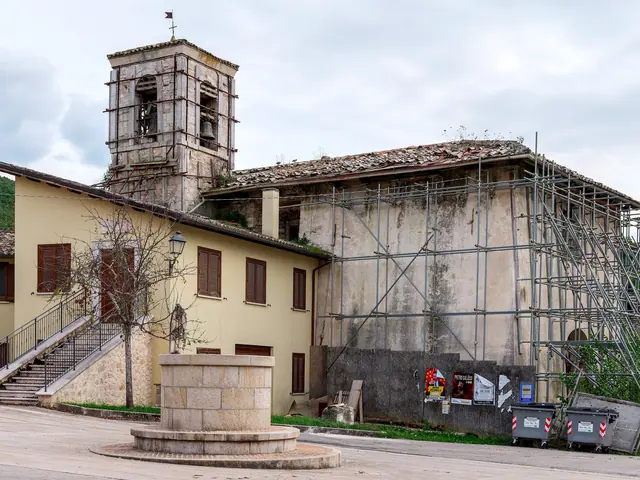 San Procolo in Cascia (Avendita)Church · Cascia
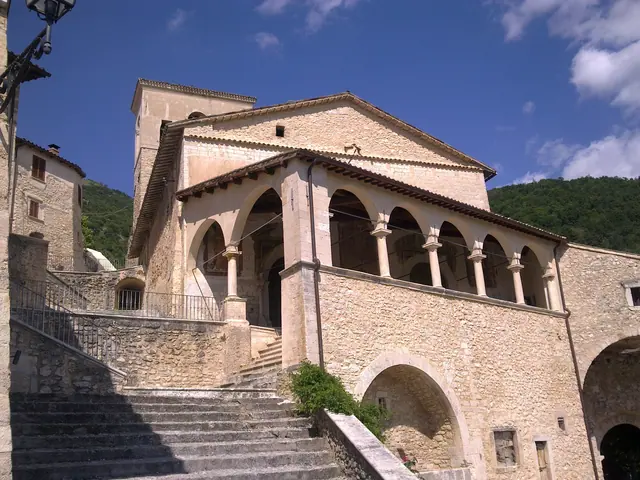 Sant'Andrea in Norcia (Campi)Church · Norcia
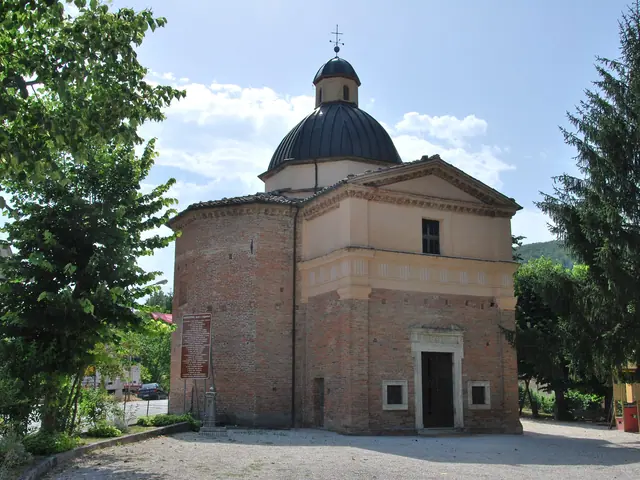 Santa Maria delle Grazie in MontefortinoChurch · Montefortino
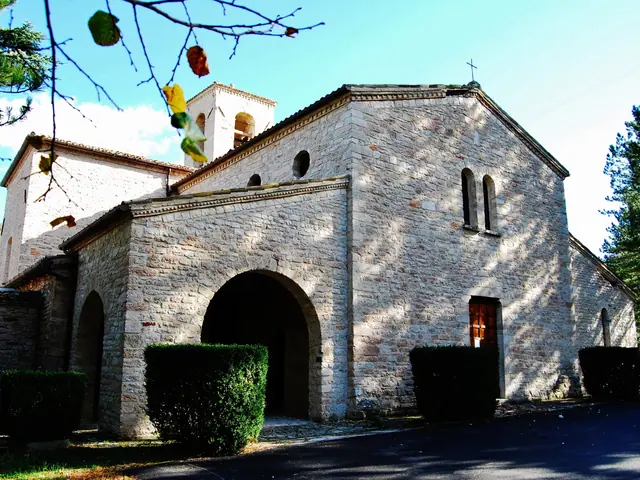 Santa Maria di Rio Sacro in FiastraChurch · Fiastra
- ChurchSanta Maria in Casalicchio (Montemonaco)Church · Montemonaco
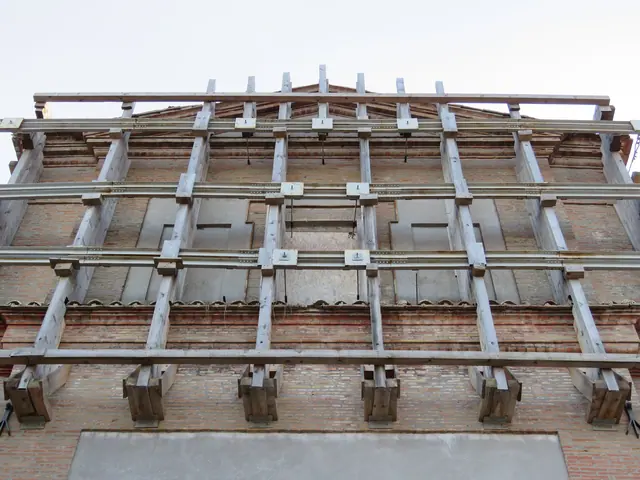 Santa Maria in Vepretis (San Ginesio)Church · San Ginesio
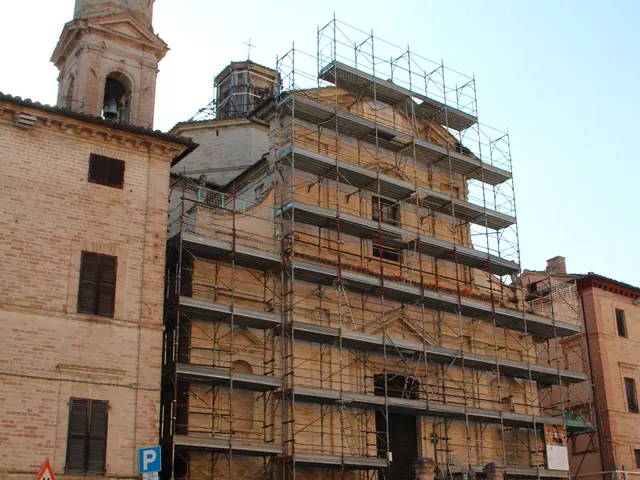 Sanctuary of Madonna del Monte (Caldarola)Church · Caldarola
- ChurchSanctuary of Madonna della Valle (Monte Cavallo)Church · Monte Cavallo
- ChurchSmall Temple of the Madonna del SoleChurch · Arquata del Tronto
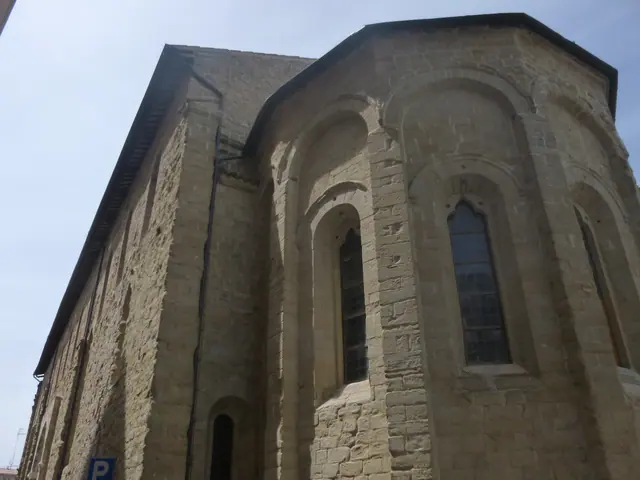 Temple of San Francesco in CamerinoChurch · Camerino
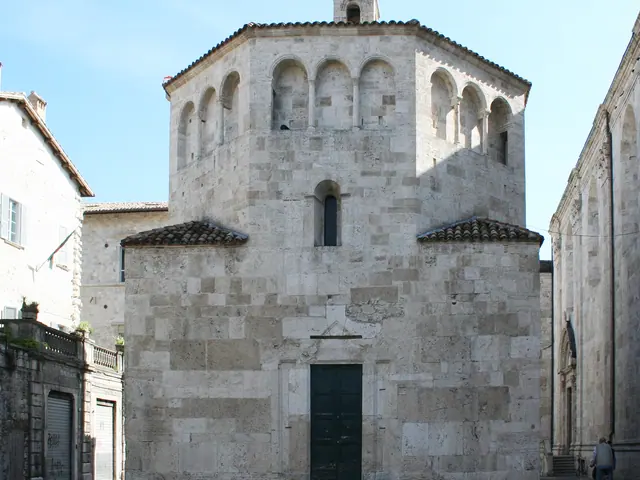 Baptistery of San GiovanniChurch · Ascoli Piceno
- Church"Santissimo Crocifisso" Cemetery ChapelChurch · Ascoli Piceno
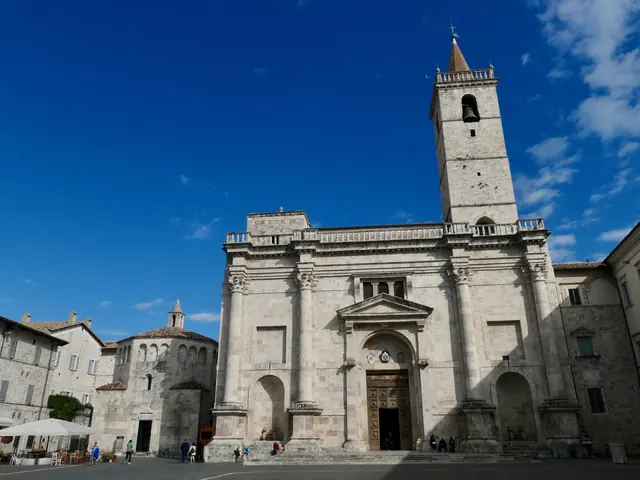 Cathedral of Sant'EmidioChurch · Ascoli Piceno
- ChurchChurch of Santi Cosma e DamianoChurch · Ascoli Piceno
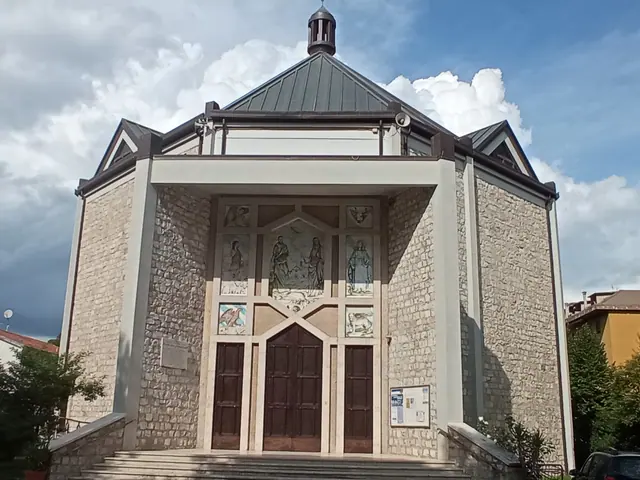 Church of Santi Filippo e GiacomoChurch · Ascoli Piceno
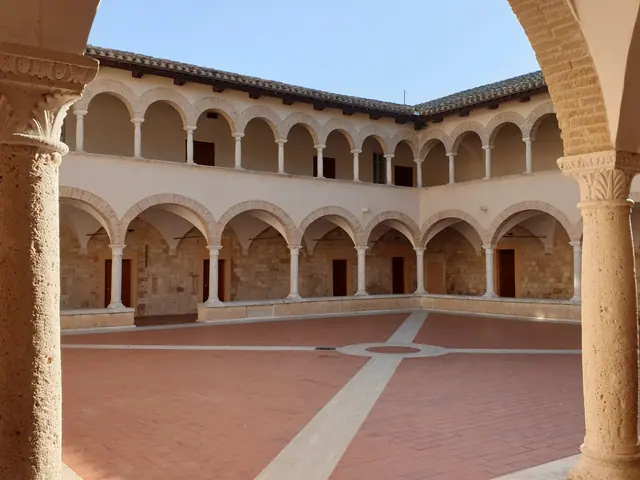 Church of Santi Pietro e PaoloChurch · Ascoli Piceno
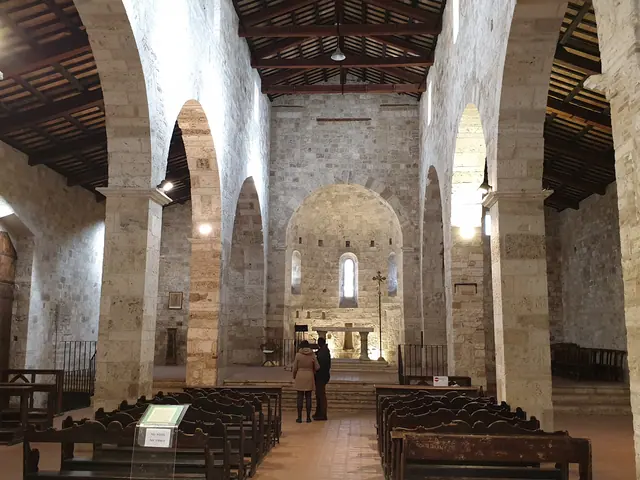 Church of Santi Vincenzo e AnastasioChurch · Ascoli Piceno
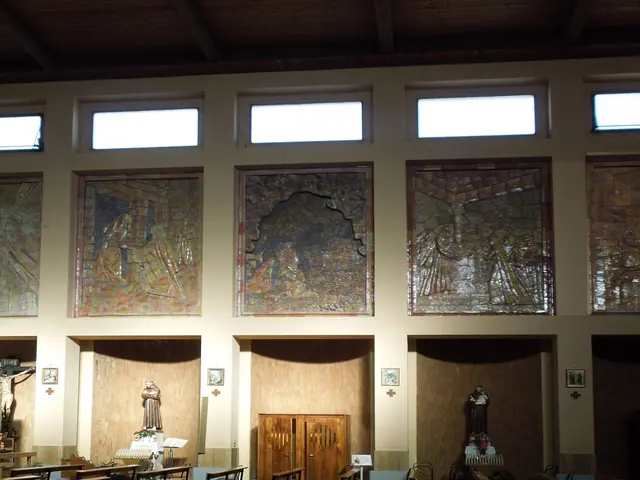 Church of Cuore Immacolato di MariaChurch · Ascoli Piceno
 Church of Sacro CuoreChurch · Ascoli Piceno
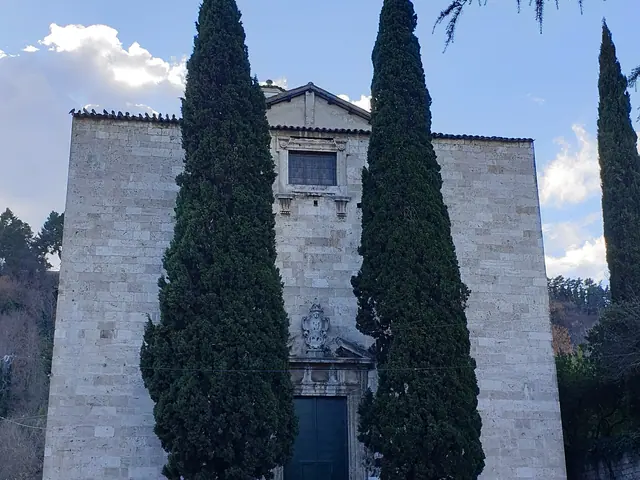 Church of Santissimo Crocifisso dell'IconaChurch · Ascoli Piceno
- ChurchChurch of Immacolata ConcezioneChurch · Ascoli Piceno
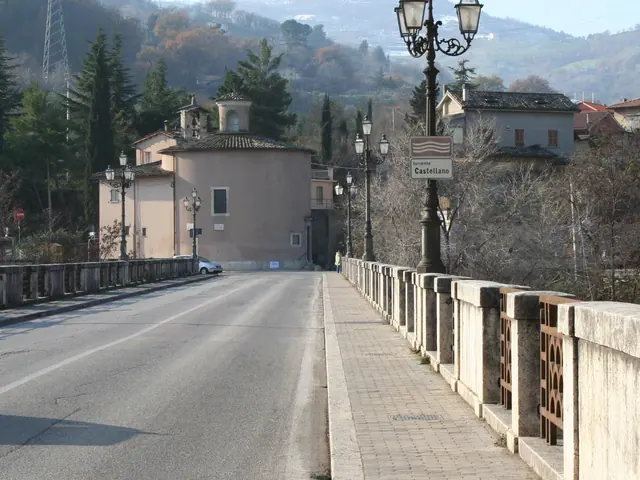 Church of Madonna del PonteChurch · Ascoli Piceno
- ChurchChurch of Maria Santissima AssuntaChurch · Ascoli Piceno
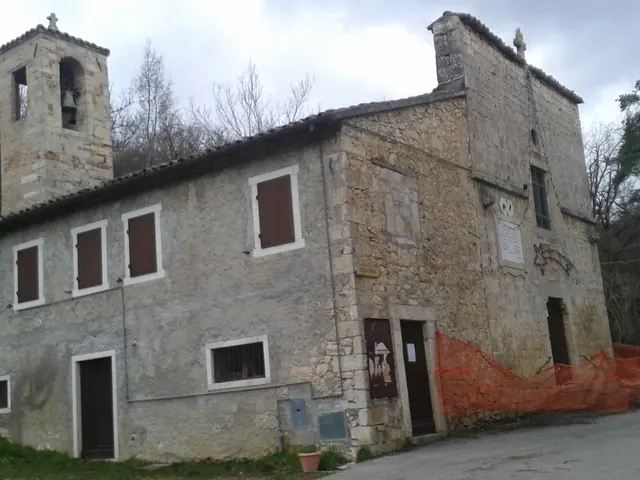 Church of San BartolomeoChurch · Ascoli Piceno
- ChurchChurch of San Benedetto AbateChurch · Ascoli Piceno
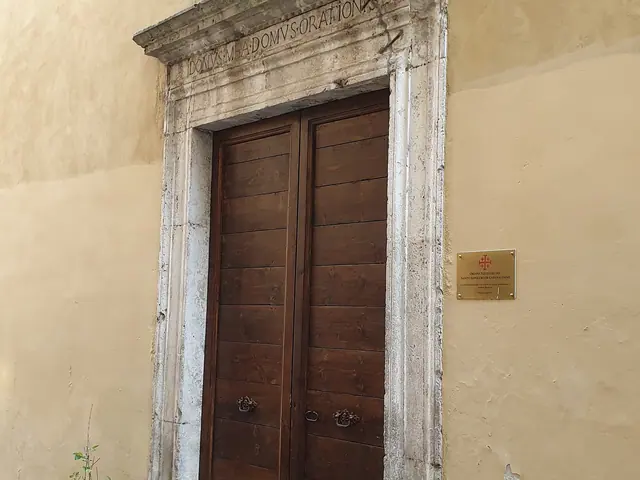 Church of San Cristoforo (Ascoli Piceno)Church · Ascoli Piceno
- ChurchChurch of San Flaviano (Ascoli Piceno)Church · Ascoli Piceno
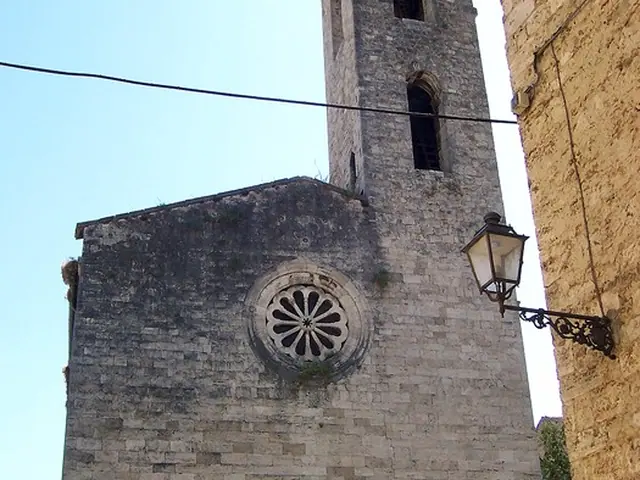 Church of San Giacomo Apostolo (Ascoli Piceno)Church · Ascoli Piceno
- ChurchChurch of San Giacomo della Marca (Ascoli Piceno)Church · Ascoli Piceno
- ChurchChurch of San Gregorio Magno (Ascoli Piceno)Church · Ascoli Piceno
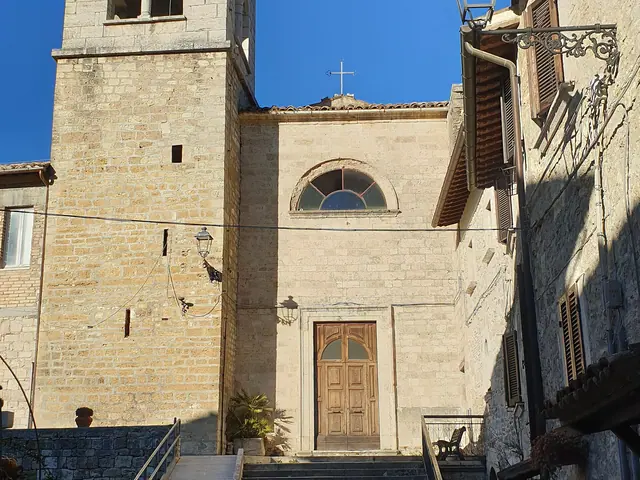 Church of San Lorenzo Martire (Ascoli Piceno)Church · Ascoli Piceno
- ChurchChurch of San Michele Arcangelo (Ascoli Piceno)Church · Ascoli Piceno
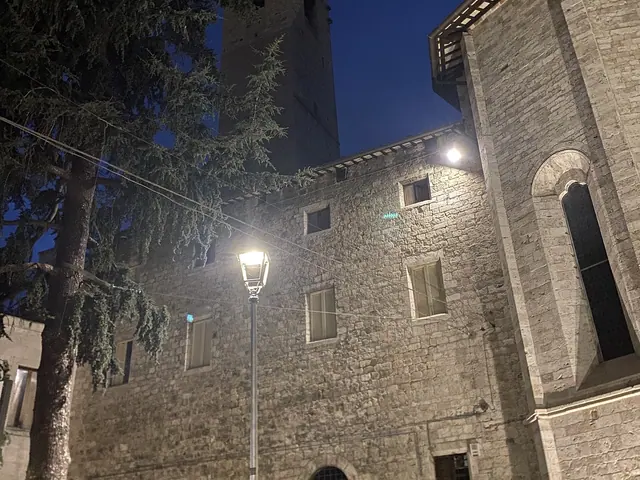 Church of San Pietro Martire (Ascoli Piceno)Church · Ascoli Piceno
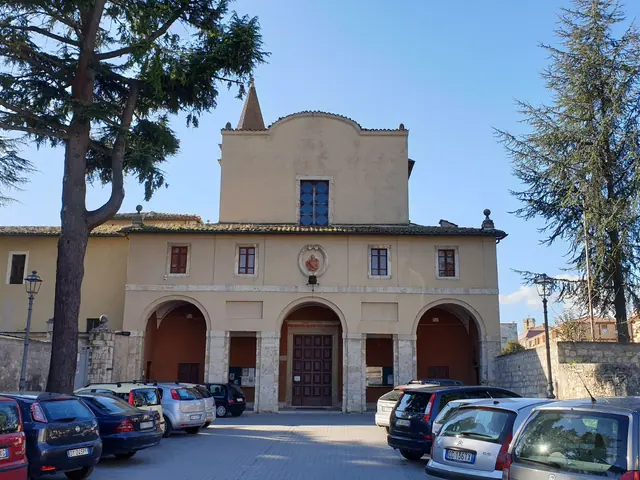 Church of San Serafino da Montegranaro (Ascoli Piceno)Church · Ascoli Piceno
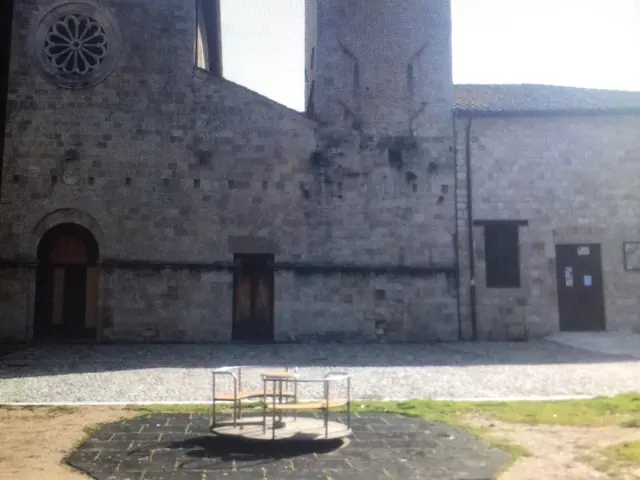 Church of San Tommaso (Ascoli Piceno)Church · Ascoli Piceno
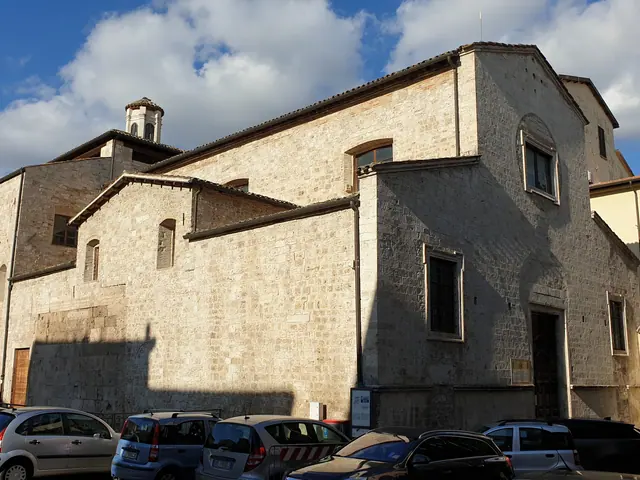 Church of San Venanzio (Ascoli Piceno)Church · Ascoli Piceno
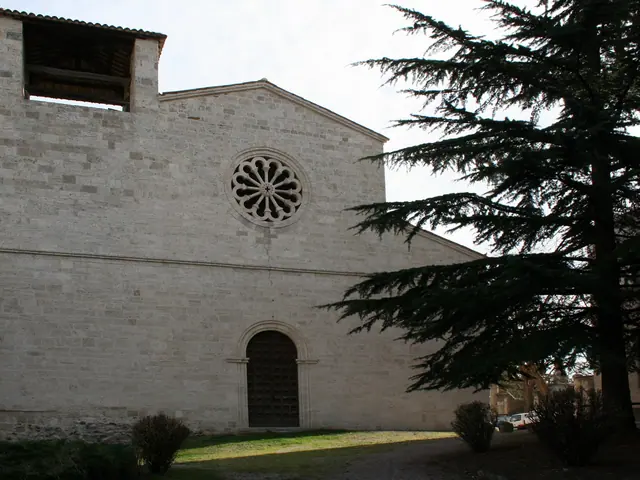 Church of San Vittore (Ascoli Piceno)Church · Ascoli Piceno
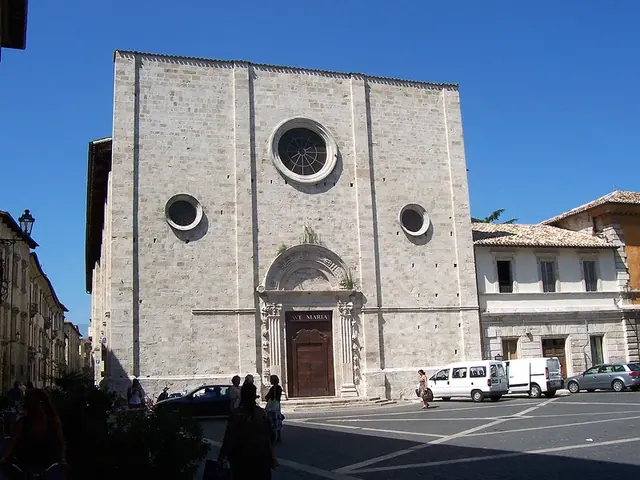 Church of Sant'Agostino (Ascoli Piceno)Church · Ascoli Piceno
- ChurchChurch of Sant'Andrea Apostolo (Ascoli Piceno)Church · Ascoli Piceno
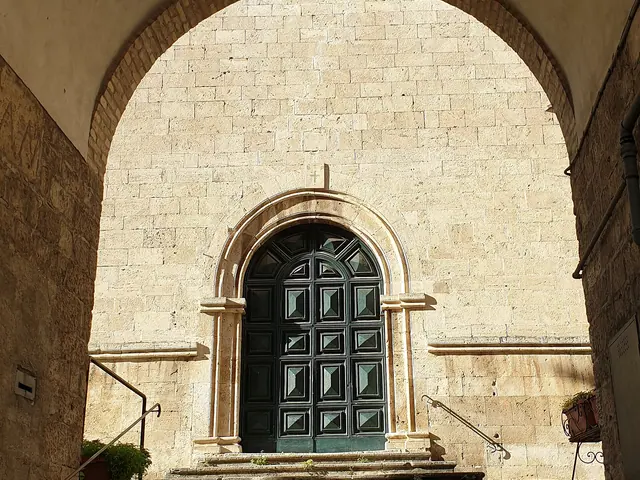 Church of Sant'Angelo Magno (Ascoli Piceno)Church · Ascoli Piceno
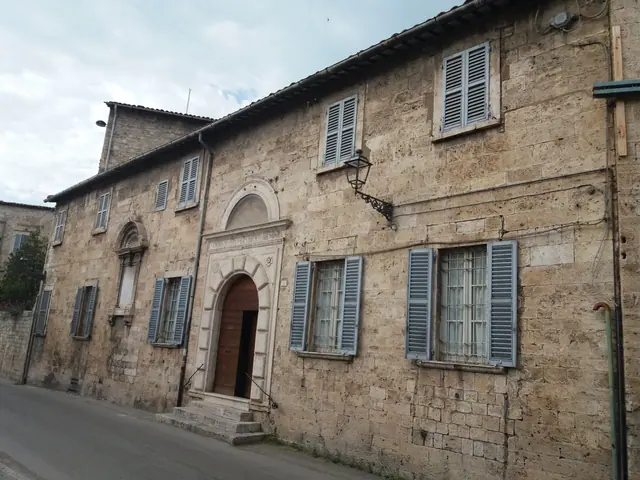 Church of Sant'Onofrio (Ascoli Piceno)Church · Ascoli Piceno
- ChurchChurch of Santa Maria del Buon Consiglio (Ascoli Piceno)Church · Ascoli Piceno
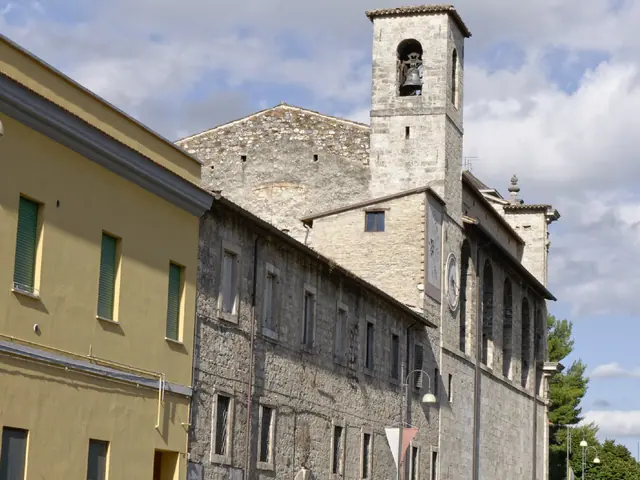 Church of Santa Maria del Carmine (Ascoli Piceno)Church · Ascoli Piceno
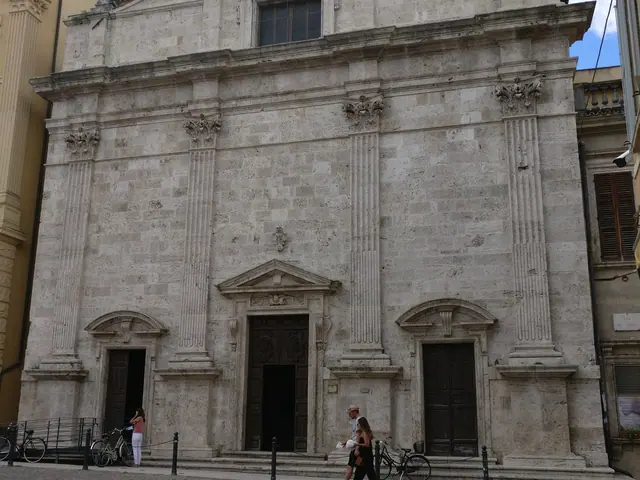 Church of Santa Maria della Carità (Ascoli Piceno)Church · Ascoli Piceno
- ChurchChurch of Santa Maria delle Donne (Ascoli Piceno)Church · Ascoli Piceno
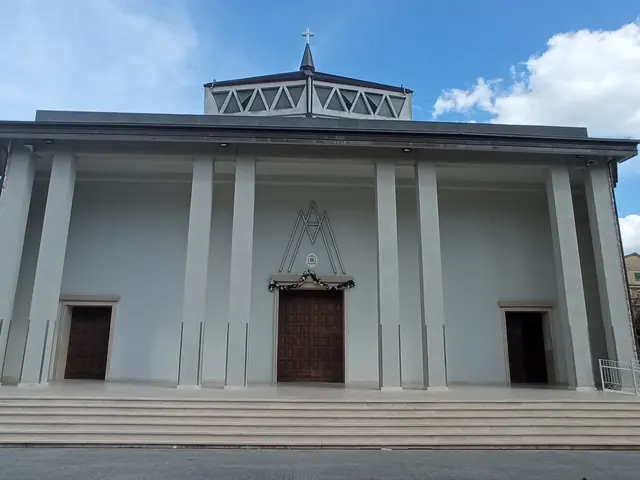 Church of Santa Maria Goretti (Ascoli Piceno)Church · Ascoli Piceno
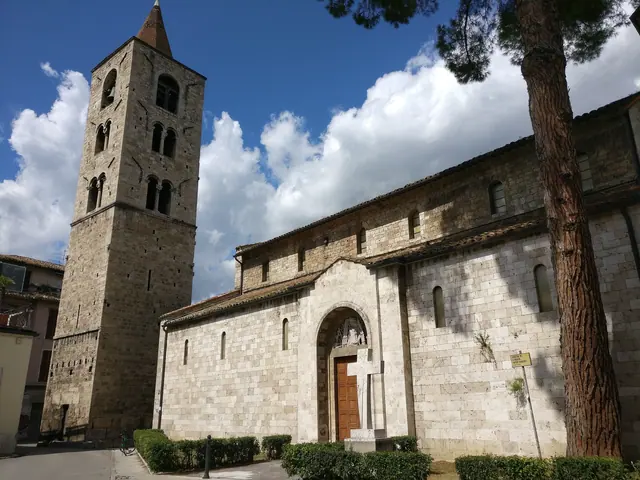 Church of Santa Maria Intervineas (Ascoli Piceno)Church · Ascoli Piceno
- ChurchChurch of Santa Rita (Ascoli Piceno)Church · Ascoli Piceno
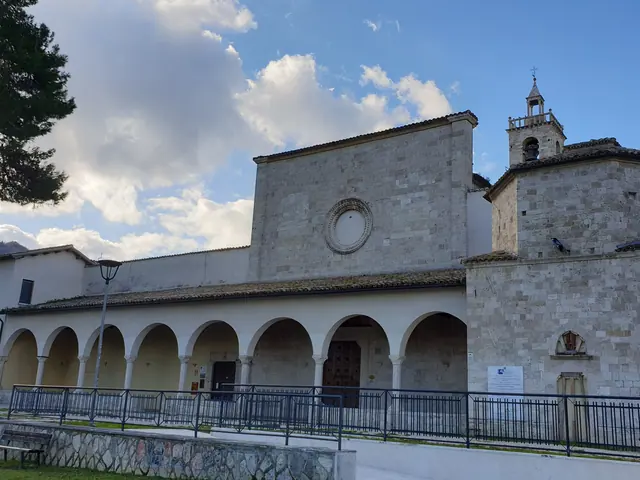 Church and Convent of the Santissima Annunziata (Ascoli Piceno)Church · Ascoli Piceno
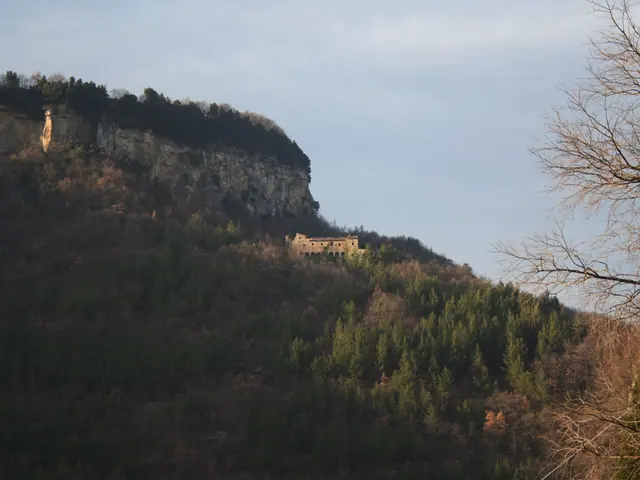 Hermitage of San GiorgioChurch · Ascoli Piceno
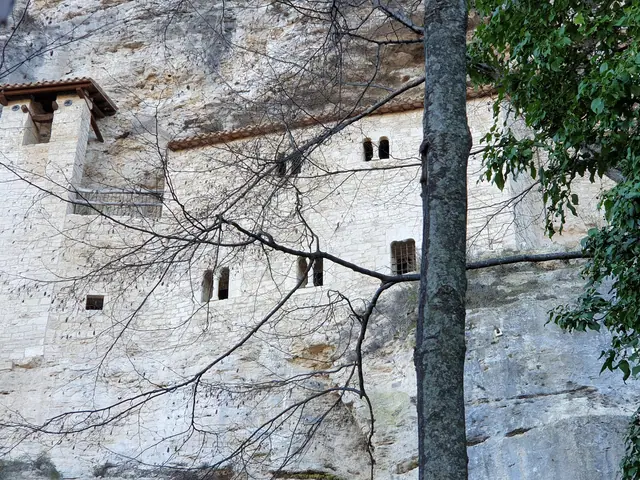 Hermitage of San MarcoChurch · Ascoli Piceno
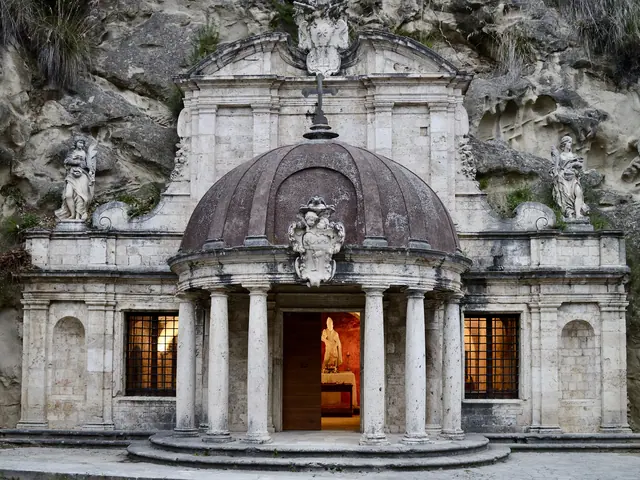 Small Temple of Sant'Emidio alle Grotte (Ascoli Piceno)Church · Ascoli Piceno
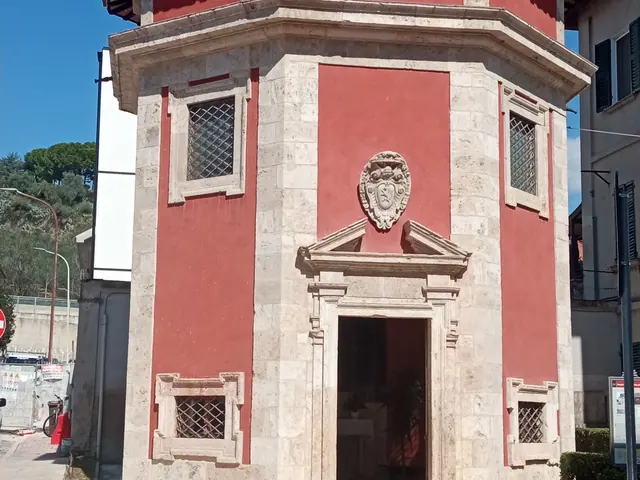 Small Temple of Sant'Emidio Rosso (Ascoli Piceno)Church · Ascoli Piceno
No results with these filters.
On the map
Points from the site database. Map © OpenStreetMap contributors · Protomaps.
Churches of the Sibillini Mountains: the map
The churches are concentrated in the municipalities of the Park and its surroundings: on the Umbrian side mainly Norcia and its hamlets; on the Marche side Visso, Ussita, Castelsantangelo sul Nera, Fiastra, Valfornace and Camerino to the north, and Amandola, Montefortino, Montemonaco and Arquata del Tronto to the south and east. Other churches are in San Ginesio, Sarnano, Caldarola, Pieve Torina and Cessapalombo.
The map shows each church with its page. In the larger towns, such as Norcia, Visso and Camerino, several buildings are close together and can be seen in a single tour; the Romanesque pievi and rural churches, such as those of the Fiastrone valley or the hamlets of Castelsantangelo, are instead scattered across the territory and are reached one at a time.
Churches of the Sibillini Mountains: the main sites
Norcia. Besides the basilica, built between 1290 and 1338 over the 9th-century crypt where tradition places the birth of Saint Benedict and Saint Scholastica, the town has the Co-Cathedral of Santa Maria Argentea, rebuilt between 1560 and 1574 after the previous church was demolished to build the Castellina. In the hamlet of Ancarano, the Madonna Bianca, completed in 1508, preserves frescoes by Antonio Sparapane from 1476 and the statue of the Madonna from 1488.
Camerino. The Basilica di San Venanzio, dedicated to the patron saint, has late Roman origins and was rebuilt in the 15th century; its Neoclassical appearance dates from the consolidation that followed the 1799 earthquake. It holds the silver statue of the saint from 1764 and, in the crypt, the saint's urn and ark.
Visso and the Nera valley. In Visso the Collegiata stands on the main square, where the first church was built in 1143; next to it, Sant'Agostino, from 1338, has been adapted to house the museum, and San Francesco dates from the late 14th century. In Castelsantangelo sul Nera the church of San Martino, in the hamlet of Gualdo, is Romanesque from the late 13th century, while the church of San Liberatore is attached to the monastery of the same name, enclosed by massive castle walls. In Ussita, Sant'Ercolano is a 13th-century Romanesque church with remains of 15th-century frescoes.
Fiastra and Valfornace. San Lorenzo, on the shores of Lago di Fiastra, has an older hall built between the 11th and 12th centuries, where Romanesque paintings have resurfaced. San Paolo stands at the center of the walls of the Magalotti castle. In Valfornace, San Giusto in San Maroto, built between 1050 and 1200, is considered one of the most unusual examples of Marche Romanesque.
Amandola, Montemonaco and Arquata del Tronto. In Amandola the Sanctuary of Beato Antonio, in the church of Sant'Agostino, keeps the remains of the Blessed in a chapel beneath the cloister, and San Francesco was begun in 1313 and consecrated in 1352. In Montemonaco, San Giorgio all'Isola, on the banks of the Aso, is documented as a possession of the abbey of Farfa as early as 996, and San Benedetto, rebuilt in 1546, uses a tower of the walls as its bell tower. In Arquata del Tronto the 13th-century Romanesque polychrome wooden crucifix, dedicated to the Santissimo Salvatore and once in the church of the Santissima Annunziata, is now kept in the church of San Salvatore in the SAE village (temporary emergency housing) of Borgo.
For isolated places of worship in the mountains there is the page on sanctuaries and hermitages of the Sibillini, while the great Benedictine foundations are in abbeys and monasteries of the Sibillini.
Churches of the Sibillini Mountains: tips for visiting
The main advice is to check on each individual church beforehand. The area was hit by the 2016 and 2017 earthquake sequence, and some religious buildings may be closed, unusable or under restoration; the historical descriptions of the works they hold refer to their condition before the earthquake. The background is told in the 2016 earthquake and reconstruction in the Sibillini Mountains.
It is best to plan the day by municipality rather than by single church: in Norcia and Visso several churches are in the historic center, while for mountain churches and those in the hamlets it is useful to check the weather before setting out.