


Museums in the Sibillini Mountains
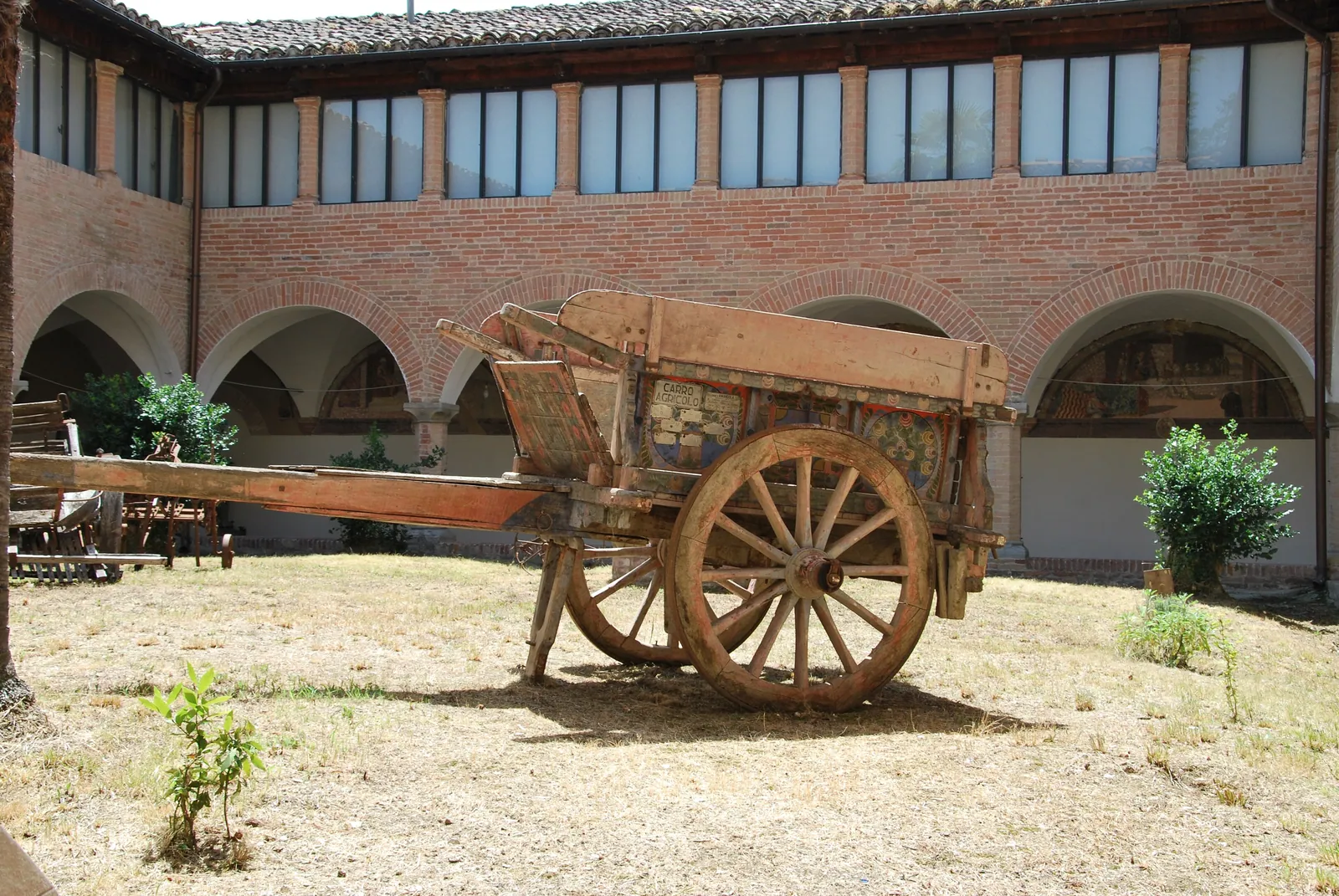
The museums in the Sibillini Mountains tell the story of the area from very different angles. In Montemonaco there is the legend of the Sibyl, and in Fiastra the return of the Apennine chamois. In Cascia, in Umbria, there are wooden sculptures and an art gallery. Other collections are scattered among the villages, from Camerino to Amandola and from Sarnano to San Ginesio, and cover sacred art, rural life, wildlife and local history.
This page helps you choose. The museums with the most information come first, followed by a list of the smaller ones. For the history and legends of the massif, see the section on Sibillini Mountains history and culture.
The places
34 results
 Pievefavera Antiquarium (Caldarola)Museum or art gallery · Caldarola
 Birthplace of Santa Rita (Cascia)Museum or art gallery · Cascia
- Museum or art galleryPark Houses and Visitor Centers of the Sibillini MountainsMuseum or art gallery · vari
- Museum or art galleryChurch and Convent of Sant'Agostino (Visso)Museum or art gallery · Visso
- Museum or art galleryFattoria La Rocca Small Wool Museum (Montefortino)Museum or art gallery · Montefortino
- Museum or art galleryThe Museo dei Fossili and the Pinacoteca (Smerillo)Museum or art gallery · Smerillo
- Museum or art galleryMU6 AmandolaMuseum or art gallery · Amandola
- Museum or art galleryCivic and Diocesan Museums (Camerino)Museum or art gallery · Camerino
- Museum or art galleryAnthropogeographical Museum (Amandola)Museum or art gallery · Amandola
- Museum or art galleryMuseum of Peasant Art (Caldarola)Museum or art gallery · Caldarola
- Museum or art galleryChamois Museum (Fiastra)Museum or art gallery · Fiastra
- Museum or art gallery"Stefano Cardarelli" Museum of Rural Life (Montegallo)Museum or art gallery · Montegallo
- Museum or art gallerySibyl's Cave Museum (Montemonaco)Museum or art gallery · Montemonaco
- Museum or art galleryMuseum of Our Land (Pieve Torina)Museum or art gallery · Pieve Torina
- Museum or art galleryMuseum of the Resistance (Caldarola)Museum or art gallery · Caldarola
- Museum or art galleryMuseum of Sacred Art, Pietro Spinucci Civic Library and Emidio Saladini Study Center (Comunanza)Museum or art gallery · Comunanza
- Museum or art galleryMuseum of Sacred Art (Montefortino)Museum or art gallery · Montefortino
- Museum of Sacred Art (Montemonaco)Guide
- Museum or art galleryDiocesan Museum of CamerinoMuseum or art gallery · Camerino
- Wildlife Museum of the Sibillini Mountains (Montefortino)Guide
- Museum or art gallery"Scipione Gentili" Museum and Art Gallery (San Ginesio)Museum or art gallery · San Ginesio
 Ducal Palace (Camerino)Museum or art gallery · Camerino
- Museum or art galleryPalazzo Santi (Cascia)Museum or art gallery · Cascia
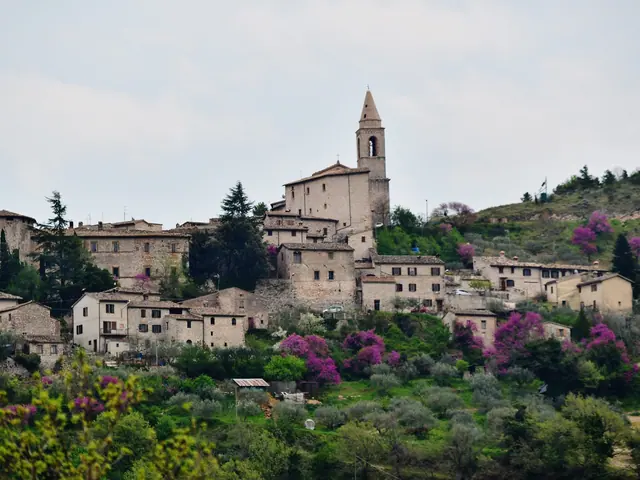 Pievefavera (Caldarola)Museum or art gallery · Caldarola
- Museum or art galleryFortunato Duranti Civic Art Gallery in MontefortinoMuseum or art gallery · Montefortino
- Museum or art galleryMunicipal Art Gallery and Civic Museums in SarnanoMuseum or art gallery · Sarnano
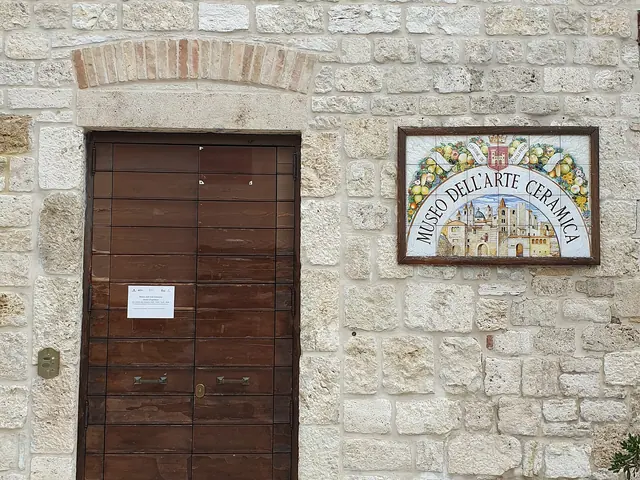 Osvaldo Licini Gallery of Contemporary ArtMuseum or art gallery · Ascoli Piceno
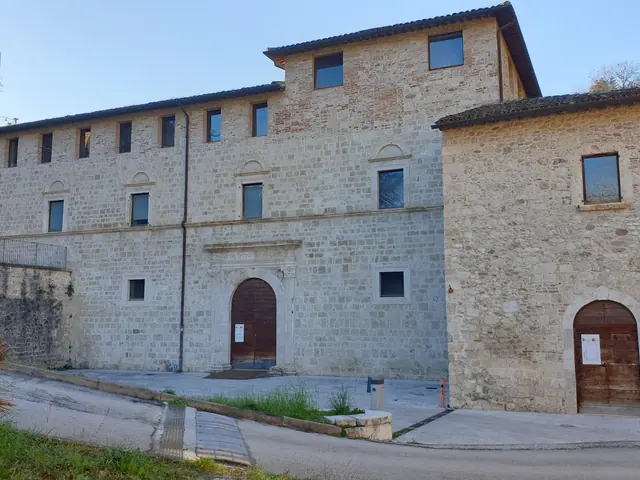 Papal Paper Mill MuseumsMuseum or art gallery · Ascoli Piceno
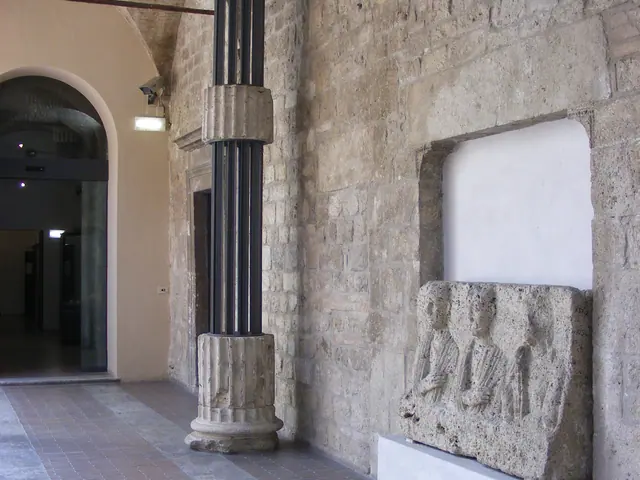 National Archaeological Museum of Ascoli PicenoMuseum or art gallery · Ascoli Piceno
- Museum or art galleryFrancesco Antonio Marcucci Museum and LibraryMuseum or art gallery · Ascoli Piceno
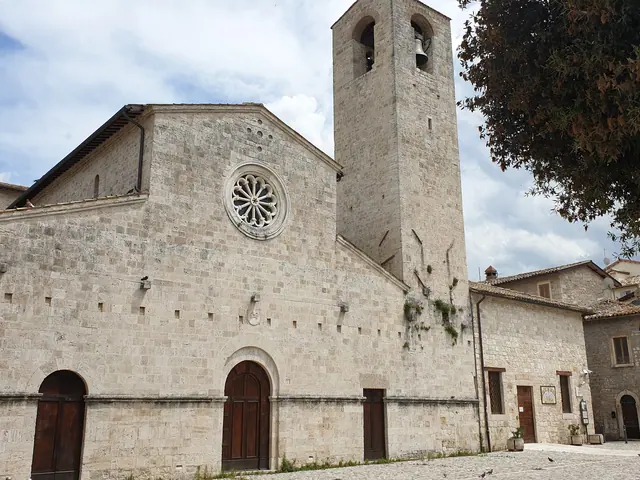 Museum of Ceramic ArtMuseum or art gallery · Ascoli Piceno
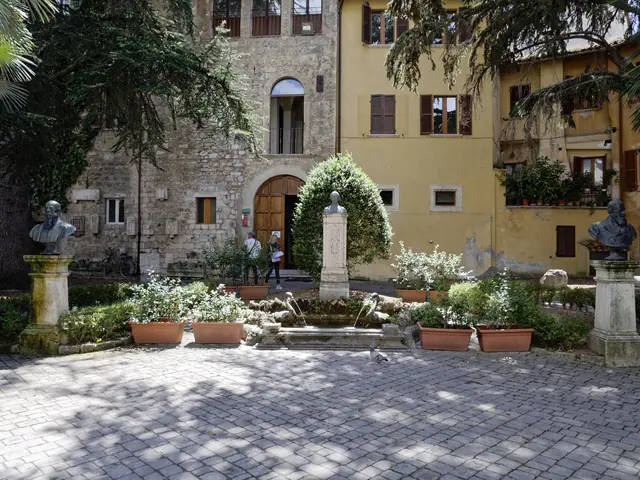 Diocesan MuseumMuseum or art gallery · Ascoli Piceno
- Museum or art galleryPimu Picenworld Museum, Ascoli PicenoMuseum or art gallery · Ascoli Piceno
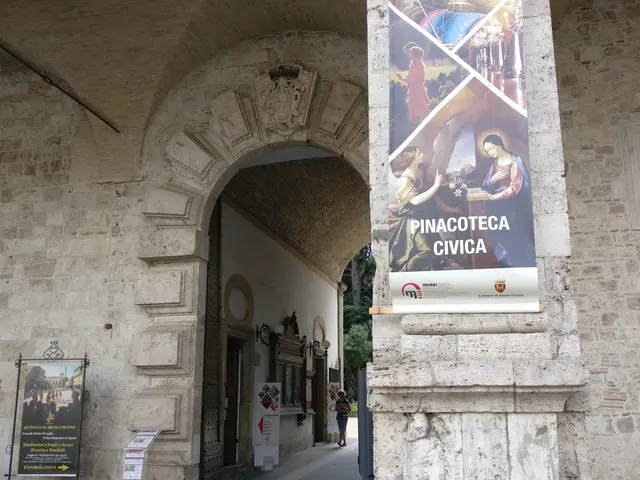 Civic Art GalleryMuseum or art gallery · Ascoli Piceno
No results with these filters.
On the map
Points from the site database. Map © OpenStreetMap contributors · Protomaps.
Museums in the Sibillini Mountains: the map
The museums are in the villages around the mountain range. By theme, they fall into four groups.
- Legend and nature. The Museo della Grotta della Sibilla is in Montemonaco and the Museo del Camoscio (chamois museum) in Fiastra. Other natural history collections are the wildlife museum in Montefortino and the fossil museum in Smerillo.
- Sacred art and art galleries. There are museums of sacred art in Comunanza, Montefortino and Montemonaco. Art galleries (pinacoteche) are in Montefortino, San Ginesio, Sarnano and Cascia. Camerino has its civic museums and the diocesan museum.
- Rural life and traditions. There are collections in Caldarola, Montegallo, Pieve Torina and Amandola. Montefortino has a small wool museum.
- 20th-century history. Caldarola has the Museo della Resistenza (Museum of the Resistance).
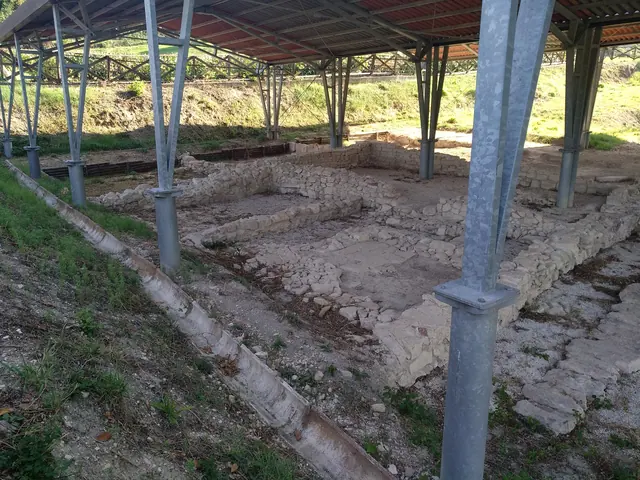
Amandola has several museums, including MU6 and the Museo del Paesaggio (landscape museum). Caldarola also has the Pievefavera Antiquarium and a museum of rural art. Since the sites are far apart, it makes sense to choose two or three museums per area rather than plan a single itinerary.
Museums in the Sibillini Mountains not to miss
Museo della Grotta della Sibilla, Montemonaco. The Sibyl's Cave Museum in Montemonaco is in Villa Curi, right in the historic center, and is divided into sections. Each section brings together artistic, historical and cultural evidence from the whole municipality. The museum was established in 2009 by the town and the Park authority, then expanded and renovated in 2012. Among the objects is the "Gran Pietra" (Great Stone), found near Lago di Pilato. It is a rock scratched with letters, found on the strip of sand between the lake's two basins. The study of those marks is still under way. The museum connects to the legends of the Sibillini Mountains, including that of the cave, whose entrance is now closed. The museum is currently closed for restoration: before visiting, check whether it has reopened.
Museo del Camoscio, Fiastra. The Chamois Museum in Fiastra is on the ground floor of the Park's visitor center in Fiastra, the Centro di Educazione Ambientale Valle del Fiastrone (an environmental education center). It is laid out in four connected rooms along a loop route. The route starts from the Life Natura project that reintroduced the chamois to the Sibillini National Park in the Sibillini Mountains. The species has been back in the mountains since 2008. In the first room, a projection with surround sound shows the animal at high altitude. In the next gallery, life-size silhouettes of red deer, roe deer and chamois are compared. Those who want to see the animals in person can go to Bolognola, home to the Apennine chamois wildlife area.
Museo civico at Palazzo Santi, Cascia. The Museo civico di Cascia at Palazzo Santi opened in 1997 in the 17th-century Palazzo Santi, in the historic center. The palazzo was restored and partly rebuilt during the 17th century, after serious damage in the 1599 earthquake. On the ground floor there is a small group of archaeological finds, dating from the 8th century BC. On the main floor, the most valuable works include wooden, terracotta, stucco and stone sculptures from the 13th-15th centuries. Among them is the Madonna di Poggioprimocaso, known as the "Madonna rosa" (Pink Madonna). The museum also holds paintings by Lazzaro Baldi and Domenico Corvi and a room devoted to Cardinal Fausto Poli, secretary to Pope Urban VIII.
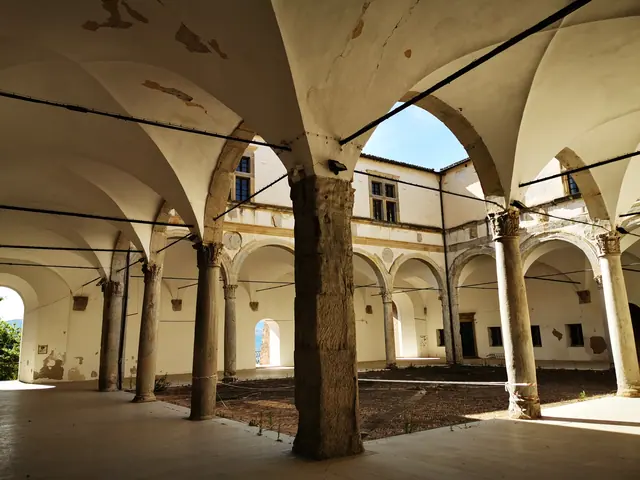
Other museums. Camerino has the Civic and Diocesan Museums. Other collections have their own pages: the Museum of the Resistance in Caldarola and the Fattoria LA ROCCA Piccolo Museo della lana in Montefortino.
Tips for visiting museums in the Sibillini Mountains
Before setting out, check opening days and hours. In the museums of small villages, opening times can change with the seasons. After the earthquake, the Park reported the Museo del Camoscio in Fiastra as not usable because of minor damage, although guided tours have been held there on some occasions: there are no fixed openings on the calendar, so it is best to contact the visitor center before the trip. In Cascia, the Palazzo Santi museum has in the past reopened in spring after its winter break, opening on weekends and some holidays.
For families with children, the Museo del Camoscio is an interactive route with videos and multimedia. The Montemonaco museum, currently closed for restoration, is also equipped for children: it has a room for educational activities, a screening room and an area for toddlers.
To combine museums and nature, a good starting point is the Park's visitor centers: the Case del Parco visitor centers are covered on a separate page. A museum visit generally takes less time than a hike, but times vary from place to place, and it is best to ask the venue for information.