


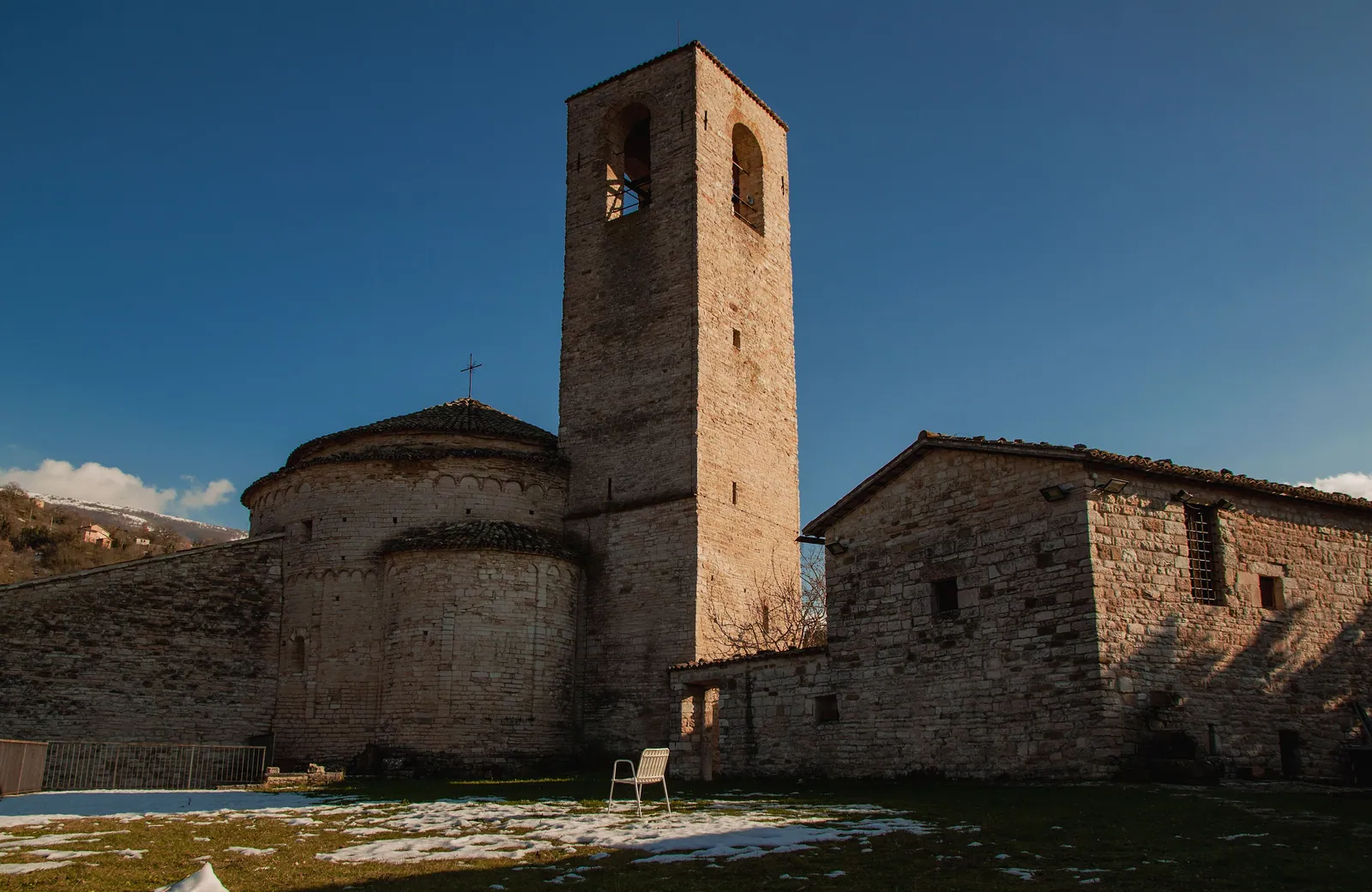
Things to do in Valfornace
Photo: Cristina Morettini 95 / CC BY-SA 4.0 / Wikimedia Commons
Valfornace is a municipality in the province of Macerata. For anyone looking for things to do in Valfornace, the area's heritage is made up mainly of castles, churches and nature routes around its lakes. The best-known historic site is the Castello di Beldiletto, which stands in Pievebovigliana, the main hamlet and seat of the municipality, and cannot be visited today. The area also includes the Colvenale Castle, many churches, Lago di Boccafornace and Lago di Polverina.
The Castello di Beldiletto is a residence of the Da Varano family, lords of Camerino. It was built in the 14th century as the family's summer residence. Before planning a stop, keep in mind that the building is private and closed to the public (see the section with tips).
The places
18 results
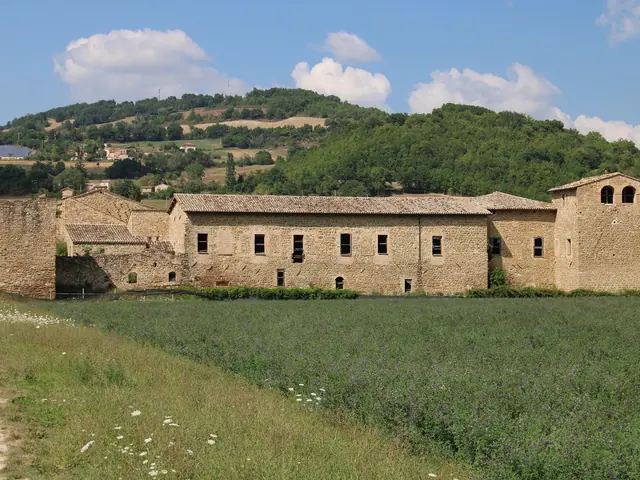 Beldiletto Castle (Valfornace)Castle or fortress · Valfornace
- Castle or fortressColvenale Castle (Valfornace)Castle or fortress · Valfornace
- ChurchChurch of Rosario (Valfornace)Church · Valfornace
- ChurchChurch of Santissimo Crocifisso in ValfornaceChurch · Valfornace
- ChurchChurch of Madonna a Monte Aguzzo (Valfornace)Church · Valfornace
- ChurchChurch of San Biagio (Valfornace)Church · Valfornace
- ChurchChurch of San Flaviano (Valfornace)Church · Valfornace
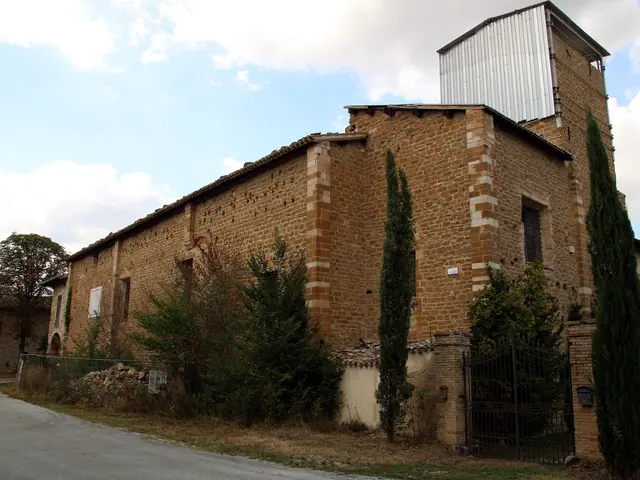 Church of San Francesco (Valfornace)Church · Valfornace
- ChurchChurch of San Giovanni (Valfornace)Church · Valfornace
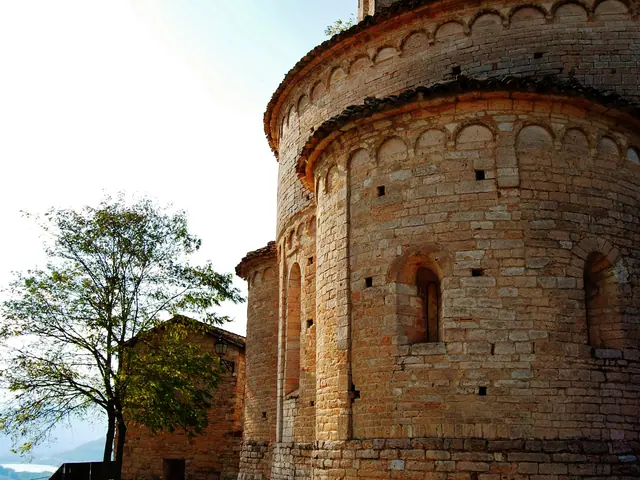 Church of San Giusto in San Maroto (Valfornace)Church · Valfornace
- ChurchChurch of San Gregorio (Valfornace)Church · Valfornace
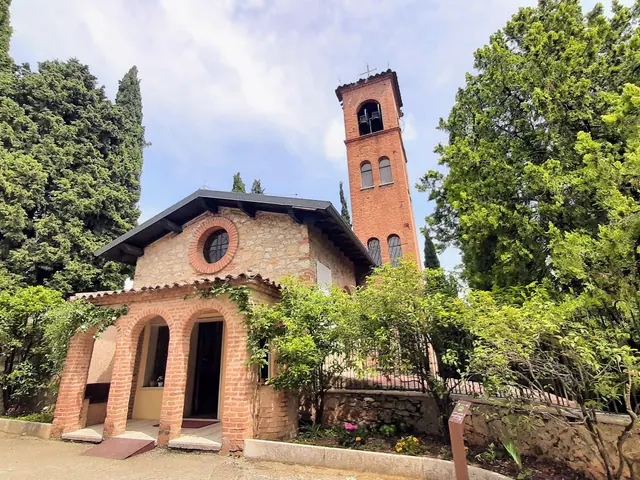 Church of San Marco (Valfornace)Church · Valfornace
- ChurchChurch of San Mauro (Valfornace)Church · Valfornace
- ChurchChurch of San Sebastiano (Valfornace)Church · Valfornace
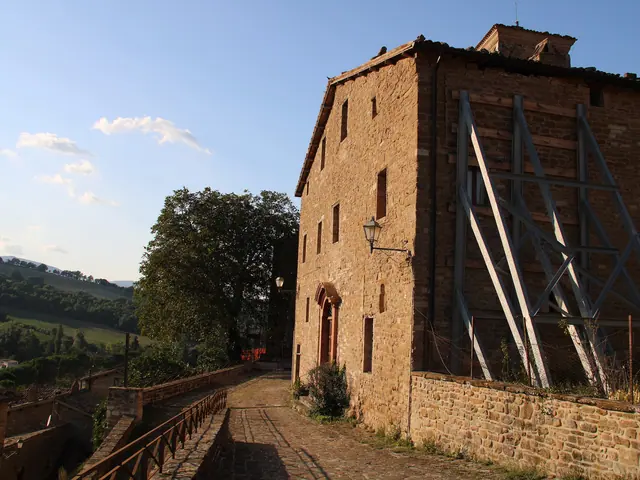 Church of Santa Maria Assunta (Valfornace)Church · Valfornace
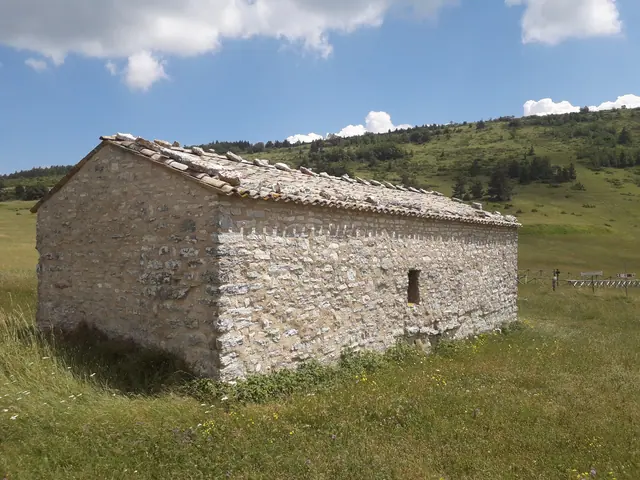 Church of Santa Maria Maddalena in ValfornaceChurch · Valfornace
- LakeLago di BoccafornaceLake · Valfornace
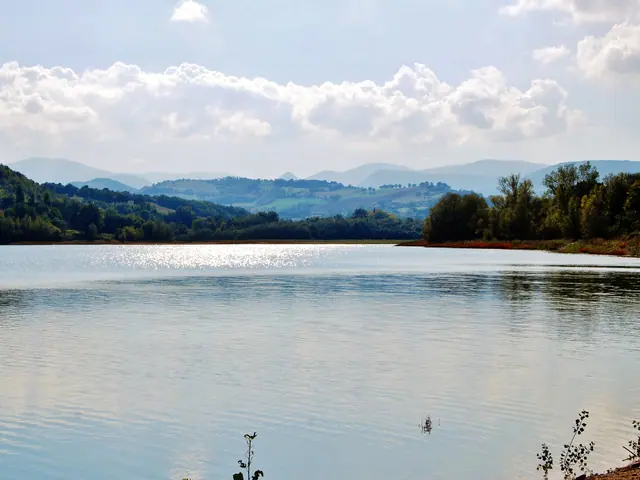 Lago di PolverinaLake · Valfornace
No results with these filters.
On the map
Points from the site database. Map © OpenStreetMap contributors · Protomaps.
Things to see in Valfornace: the map
The map brings together the places in Valfornace described on this page: the castles of Beldiletto and Colvenale, the churches of the area, Lago di Boccafornace, Lago di Polverina and the walking routes.
Things to see in Valfornace: the highlights
The Castello di Beldiletto. The Beldiletto Castle is in Pievebovigliana. According to tradition it was built by Giovanni Da Varano, known as Spaccaferro, but it probably already existed and Giovanni enlarged and fortified it between 1370 and 1380. The castle was part of the defensive system of fortresses and castles protecting Camerino.
The building is quadrangular, with towers at every corner, and was originally surrounded by a wide, deep moat. There is a single entrance, a barrel-vaulted passageway. Inside opens a courtyard with a loggia, with octagonal pillars and pointed arches in white and red stone.
The interiors were decorated with frescoes. The largest hall still shows traces of a large 15th-century cycle with sixty knights, among them Robert Guiscard, recalling the culture of chivalric poems. On the upper floor, the painted decoration repeats the pear fruit in many rooms, a motif linked to the love affairs the castle witnessed.
The history of Beldiletto is full of guests and sieges. In 1382 the frescoed halls welcomed Louis I of Anjou and Amadeus VI of Savoy. In 1419 the castle was captured by Carlo Malatesta, lord of Rimini, who was fighting the Da Varano family; Malatesta was later defeated by the lords of Camerino with the help of Braccio da Montone. In 1510 Pope Julius II stayed here with a retinue of seven cardinals and 200 horsemen. Between 1527 and 1528 it housed three hundred soldiers in the retinue of Beatrice Colonna and was besieged for five days by the people of Pievebovigliana.
The Castello di Colvenale and the churches. The Valfornace area also includes the Castello di Colvenale. There are many churches: among them are the Church of San Biagio, the Church of San Flaviano, the Church of San Francesco, the Church of San Giovanni, the Church of San Giusto in San Maroto, the Church of San Gregorio, the Church of San Marco, the Church of San Mauro, the Church of San Sebastiano, the Church of Santa Maria Assunta and the Church of Santa Maria Maddalena. To these are added the Church of Rosario, the Church of Santissimo Crocifisso and the Church of Madonna a Monte Aguzzo.
Lakes and trails. For those who prefer walking, there are Lago di Boccafornace and Lago di Polverina. Around the first runs the Lago di Boccafornace loop (Anello del Lago di Boccafornace). The area also has the Percorso Natura N2 nature trail.
Things to do in Valfornace: tips for the visit
The Castello di Beldiletto cannot be visited. It is privately owned. It had been only partly restored after the 1997 earthquake, was then damaged by the 2016 Central Italy earthquake, and today remains closed because of the earthquake damage. It is best treated as a stop to learn about its history rather than a place to go inside.
After the 2016 earthquake, some historic buildings in the area were damaged, as Beldiletto shows. Before setting off, it is worth checking the accessibility of each site. For hikes around the lakes, it is good practice to check the weather forecast before leaving.
For accommodation and meals in the area, the lists are on the pages where to stay in Valfornace and Valfornace restaurants.