


Things to do in Visso
Photo: Michelangelo Giustozzi / CC BY-SA 4.0 / Wikimedia Commons
For anyone wondering about things to do in Visso, it is a medieval and Renaissance village in the Sibillini National Park, in the Sibillini Mountains. Visso has been the Park's headquarters since 1993, belongs to the Borghi più belli d'Italia (Most Beautiful Villages in Italy) association and flies the Bandiera Arancione (Orange Flag). The historic center is made of walls, towers, medieval houses and small balconies, Renaissance noble palaces and stone portals carved with family coats of arms and Latin mottoes.
The heart of the visit is Piazza Martiri Vissani, with its Gothic churches, public palaces and the former church of Sant'Agostino, which until 2016 housed the museum with Leopardi's manuscripts. The 2016 earthquake, however, wounded the village: several buildings are damaged, and some are under construction or awaiting work. Before setting out, it is therefore worth checking what is accessible.
The places
18 results
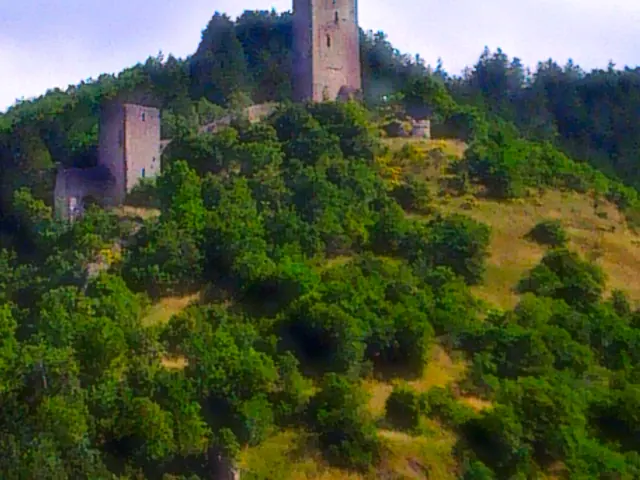 Castel San Giovanni (Visso)Castle or fortress · Visso
- ChurchChurch of Santissimo Crocifisso in VissoChurch · Visso
- ChurchChurch of Santissimo Redentore e Santa Maria (Visso)Church · Visso
- ChurchChurch of Madonna di Cardosa (Visso)Church · Visso
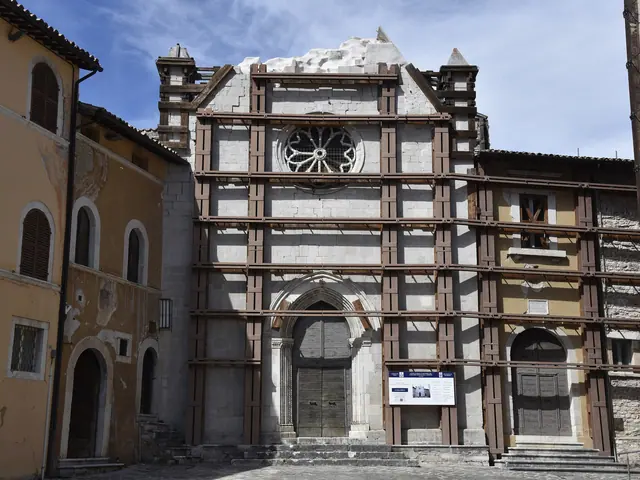 Church of San Francesco (Visso)Church · Visso
- ChurchChurch of San Giacomo (Visso)Church · Visso
- ChurchChurch of San Giovanni Battista (Visso)Church · Visso
- ChurchChurch of San Giovanni (Visso)Church · Visso
- ChurchChurch of San Lorenzo (Visso)Church · Visso
- Ruins or archaeological siteChurch of San Marco (Visso)Ruins or archaeological site · Visso
- Museum or art galleryChurch and Convent of Sant'Agostino (Visso)Museum or art gallery · Visso
- ChurchChurch of Sant'Andrea (Visso)Church · Visso
- ChurchChurch of Sant'Antonio (Visso)Church · Visso
- ChurchChurch of Santa Maria delle Grazie in VissoChurch · Visso
 Collegiate Church of Maria Santissima in VissoChurch · Visso
- Monastery or abbeyConvent of the Apostolini in VissoMonastery or abbey · Visso
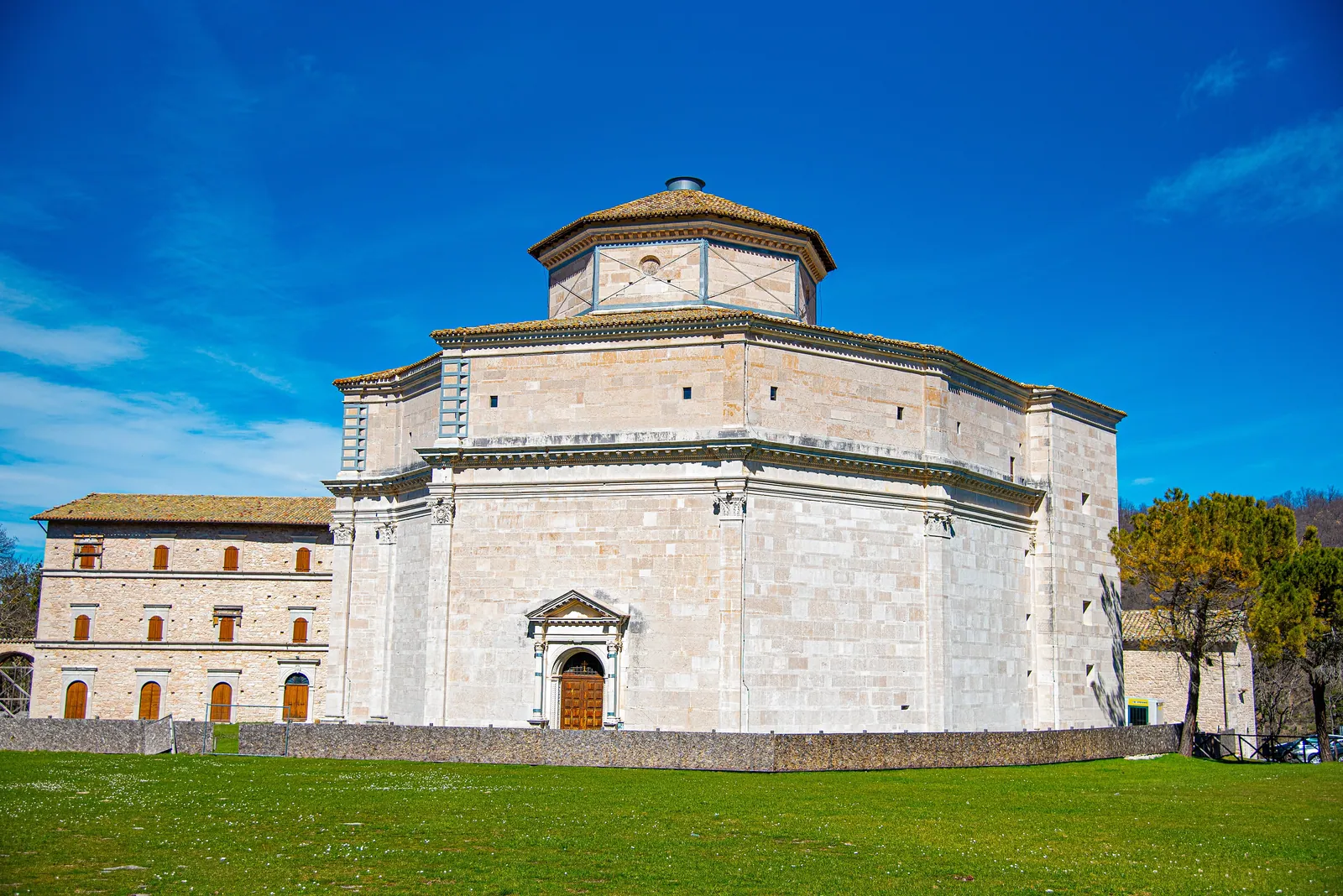
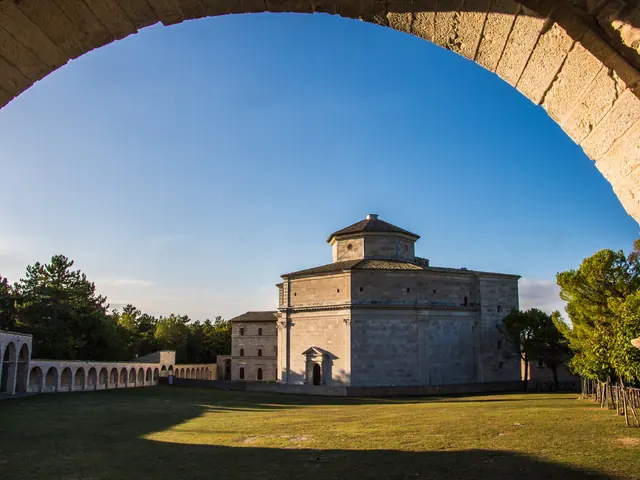 Sanctuary of Macereto (Visso)Sanctuary or hermitage · Visso
- Castle or fortressMevale TowerCastle or fortress · Visso
No results with these filters.
On the map
Points from the site database. Map © OpenStreetMap contributors · Protomaps.
Things to see in Visso: the map
The main sights are concentrated in the historic center, around Piazza Martiri Vissani and the nearby Piazza Capuzi. The two squares form a single C-shaped space: first come the small 16th-century palaces, the porticoes and the two Gothic churches in the corner. The whole historic core can be explored on foot.
Other stops are outside the village, in the hamlets and the wider municipal territory. Among them are the hamlet of Cupi, with the Church of Santissimo Redentore e Santa Maria, the locality of Mevale and the Sanctuary of Macereto. The places already described on the pages devoted to Visso also include Castel San Giovanni, the Castelliere di Fematre, the Mevale Tower and the Percorso Natura N1 nature trail. For a broader overview of the municipality, see the page Visso: things to see and do.
Things to see in Visso: the highlights
Piazza Martiri Vissani. The square was the old platea magna. It is bright and harmonious, bounded by elegant 15th- and 16th-century palaces. On one side is the portico of the 14th-century Palazzo dei Governatori, with some coats of arms and a stone inscription.
Palazzo dei Priori. It closes off the square and houses the town hall, with a richly decorated council chamber. The building was damaged by the earthquake. In October 2025 its restoration was approved, and on July 27, 2026 the work site was handed over, the first public reconstruction site in the historic center. In the same phase, procedures also moved forward for other projects: the block of the Chiesa e Palazzo San Giacomo, Palazzo Governatori and Palazzo Varano. For now, these buildings can be admired from the outside, amid construction sites.
Collegiata di Santa Maria. It is the most important church in the village. It stands on the square, and its side facade is topped by an elegant bell tower with mullioned windows. It is Romanesque-Gothic in style, and the single-nave interior was remodeled in the 17th century. The central entrance is guarded by two lions, and the lunette holds a 15th-century fresco attributed to Paolo da Visso.
The earthquake hit it hard. Safety work rescued, among other things, a fresco painted between 1515 and 1525 by Giovanni di Pietro, known as "lo Spagna". In October 2025 further investigations were under way at the Collegiata, with temporary supports already installed. Before a visit, it is worth checking whether it is open.
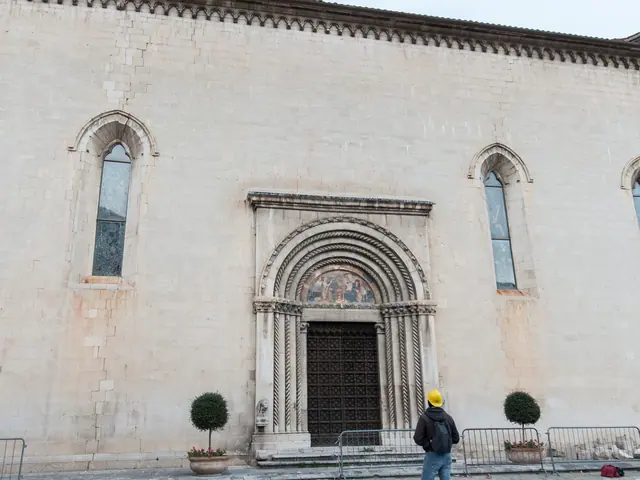
Former church of Sant'Agostino and Museo Civico Diocesano. The church was built in Gothic style in the 14th century; the facade has a pointed-arch portal with three orders of small columns and a refined rose window. It is deconsecrated and from 2004 to 2016 housed the Museo Civico Diocesano. It held paintings by Paolo da Visso and Leopardi's extraordinary manuscripts, which were moved to safety elsewhere after the earthquake. The works on display included pieces by the Angelucci of Mevale (Gaspare and Camillo, 16th century), Orazio Gentileschi and Simone De Magistris. The building was damaged by the 2016 earthquake, and in 2025 the complex was still closed, in the red zone of the historic center.
Baptistery. Among the notable buildings of the center is the 14th-century Baptistery.
Walls and gates. The village is marked by narrow medieval streets, with walls dating from the 13th century. There are four gates: Santa Maria, Ponte Lato, Sant'Angelo and Ussitana.
Church of San Giovanni Battista. After the earthquake the church was badly compromised, with major cracks in the walls and ceiling. 9 works of art were recovered from it, including two 18th-century scenes from the life of Jacob, a large canvas with the Madonna and Child with Saints and a painting of Saint Charles Borromeo. For this church too, it is worth checking access before a visit.
Chiesa del Santissimo Redentore e Santa Maria (Visso), in Cupi. The church stands in the hamlet of Cupi. After the earthquake of August 24, 2016 the most serious damage affected the bell tower, with slight cracks in the presbytery and the side walls of the nave. In the second and third bays are 16th-century frescoes by the Angelucci workshop of Mevale, in good condition. A restoration in 1978 and one after the 1997 earthquake are documented for this building.
Pieve di Santa Maria in Mevale. It is described as very evocative and was built in 1100 in Romanesque form.
Santuario di Macereto (Visso). It is outside the village. The 15th-century statue of the Madonna di Macereto has been displayed in the Visso museum. Since the 2016 earthquake the sanctuary has been undergoing reconstruction work, so it is worth checking whether it is open before going.
Things to do in Visso: tips for the visit
The simplest way to visit Visso is on foot, starting from Piazza Martiri Vissani. From there, the Collegiata, the former church of Sant'Agostino and the public palaces are a few steps away. The other sites, such as Cupi, Mevale and Macereto, require a drive.
Reconstruction is under way in the historic center. The picture became clearer in August 2026, ten years after the earthquake: Visso was one of the hardest-hit municipalities, with 684 unsafe buildings. The Palazzo dei Priori and the Collegiata are the most visible construction sites. Some churches and museums may therefore be closed, although the situation changes over time. Before setting out, it is worth checking with the tourist office or the Park which sites are accessible.
Visso is a good base for combining culture and nature. The village is linked to some of Leopardi's most important manuscripts, including "L'Infinito", and it is a gateway to the Park. For a longer stay, the pages on where to stay in Visso and Visso restaurants collect the options in the village. Local products include ciauscolo, a typical soft spreadable salami from the Marche, found in the shops described under Visso local products and shops.