


Things to Do in Camerino
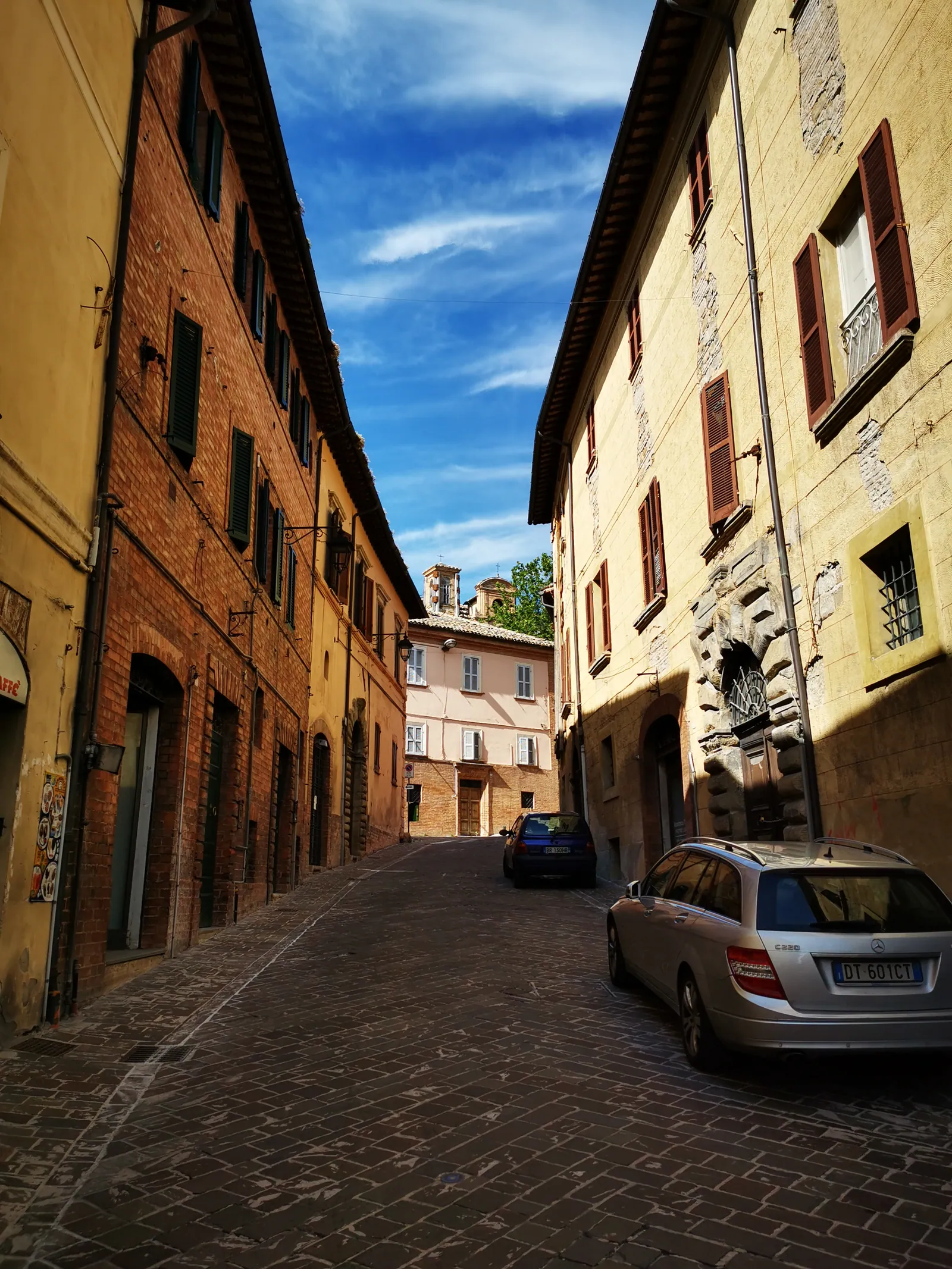
What are the things to do in Camerino? Almost everything is concentrated around Piazza Cavour. Facing it are the Cattedrale di Santa Maria Annunziata, the Ducal Palace of the Da Varano family and the Archbishop's Palace with the Museo Diocesano. The town rises above the Chienti valley, in the landscape between the Sibillini Mountains and inland Le Marche. It has been a university town and a bishop's seat since as early as 465.
The history visible in the monuments is mainly that of the Da Varano, who ruled Camerino from the second half of the 13th century until 1539. The ducal palace and the fortresses of the area date from their time. The Rocca Borgesca, instead, is owed to Cesare Borgia's brief occupation in 1503. The 2016 earthquake made many buildings unsafe and emptied the historic center, where reconstruction sites are now multiplying. The Museo Diocesano reopened on October 16, 2025, after nine years of closure.
The places
42 results
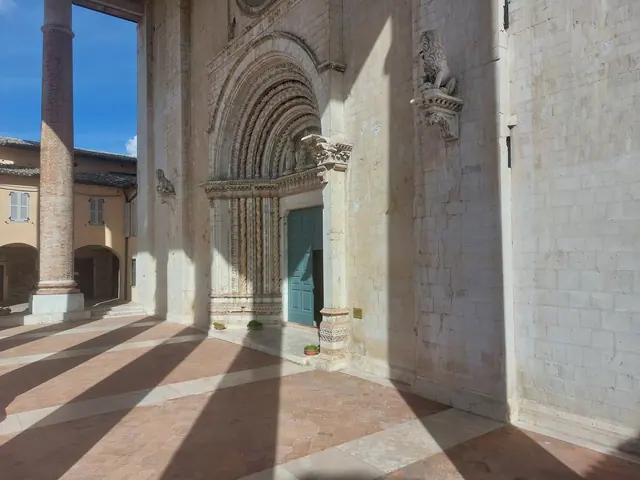 Basilica of San Venanzio (Camerino)Church · Camerino
- Castle or fortressCastrum Stacti (Camerino)Castle or fortress · Camerino
- ChurchChurch of Santissimo Salvatore in CamerinoChurch · Camerino
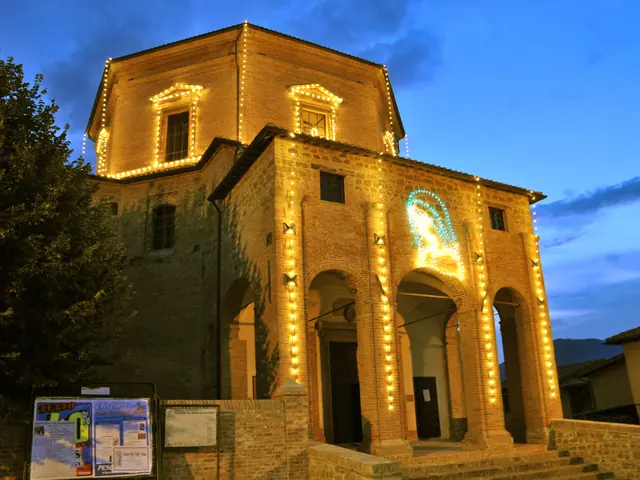 Church of Madonna delle Carceri (Camerino)Church · Camerino
- ChurchChurch of Natività di Maria in Capolapiaggia (Camerino)Church · Camerino
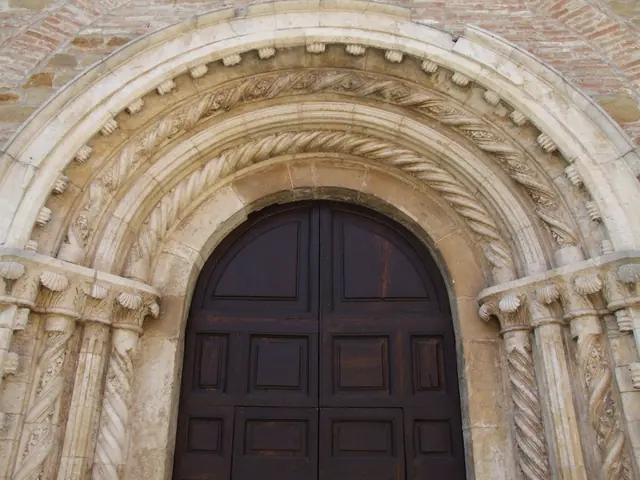 Church of Santissima Annunziata (Camerino)Church · Camerino
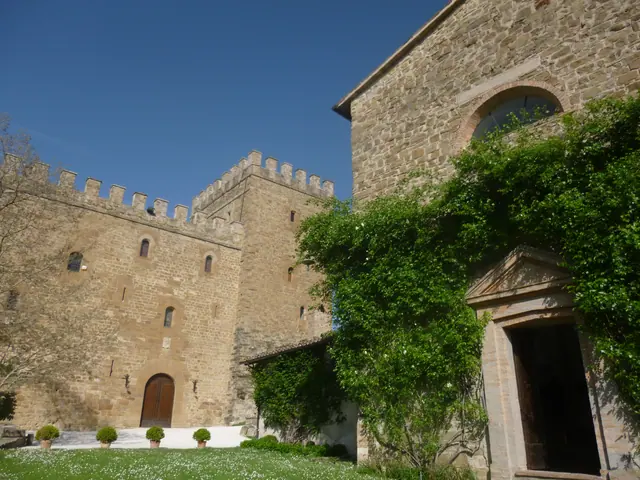 Church of San Biagio in Rocca d'Ajello (Camerino)Church · Camerino
- ChurchChurch of San Cristoforo (Camerino)Church · Camerino
- ChurchChurch of San Filippo Neri (Camerino)Church · Camerino
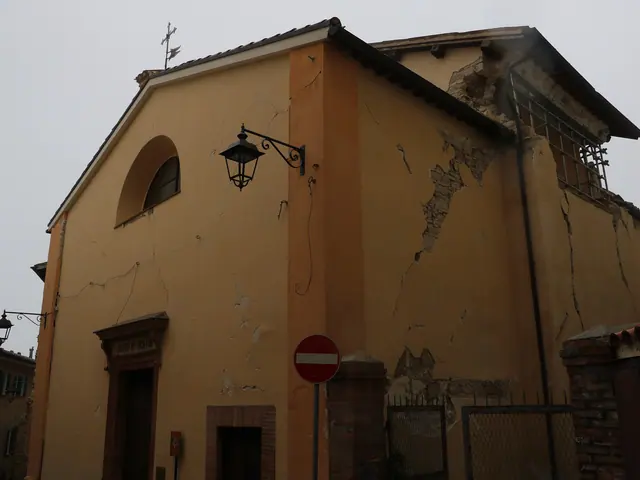 Church of San Giacomo (Camerino)Church · Camerino
- ChurchChurch of San Giuliano (Camerino)Church · Camerino
- ChurchChurch of San Luca (Camerino)Church · Camerino
- ChurchChurch of San Macario (Camerino)Church · Camerino
- ChurchChurch of San Marcello (Camerino)Church · Camerino
- ChurchChurch of San Michele Arcangelo (Camerino)Church · Camerino
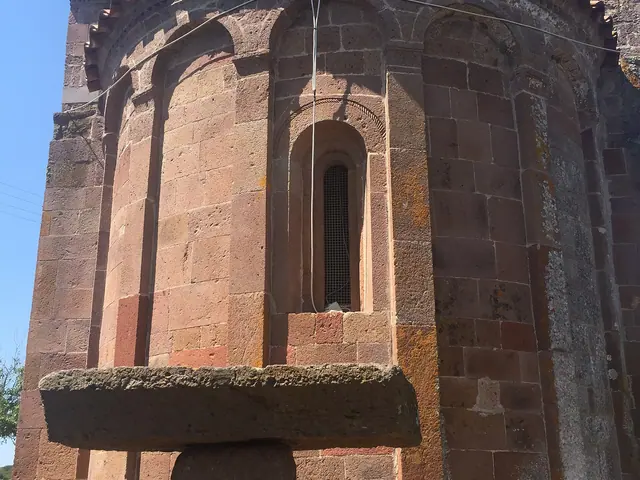 Church of San Pietro (Camerino)Church · Camerino
- ChurchChurch of San Savino (Camerino)Church · Camerino
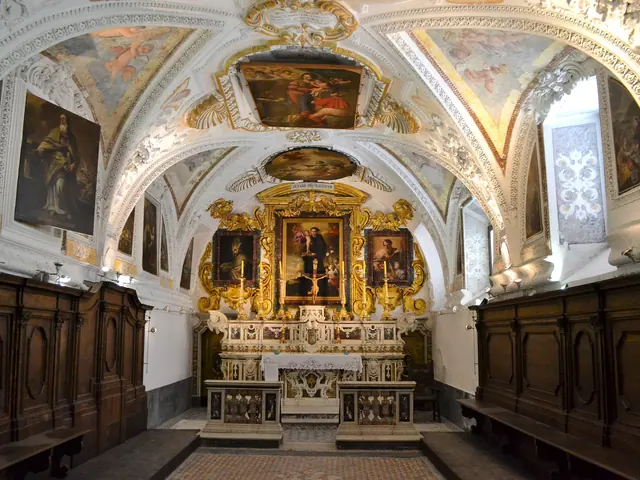 Church of San Severo (Camerino)Church · Camerino
- ChurchChurch of Sant'Anna (Camerino)Church · Camerino
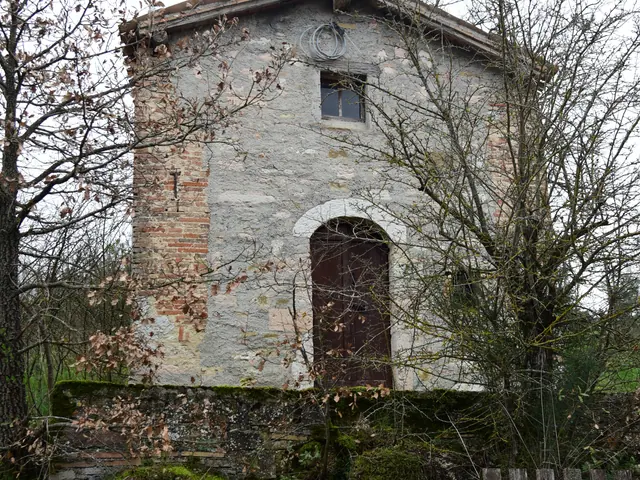 Church of Sant'Antonio (Camerino)Church · Camerino
- ChurchChurch of Sant'Erasmo (Camerino)Church · Camerino
- ChurchChurch of Santa Caterina (Camerino)Church · Camerino
- ChurchChurch of Santa Croce (Camerino)Church · Camerino
- ChurchChurch of Santa Lucia (Camerino)Church · Camerino
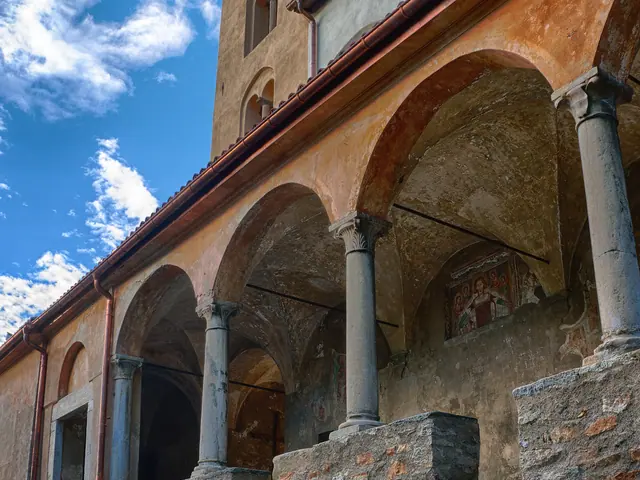 Church of Santa Maria Assunta (Camerino)Church · Camerino
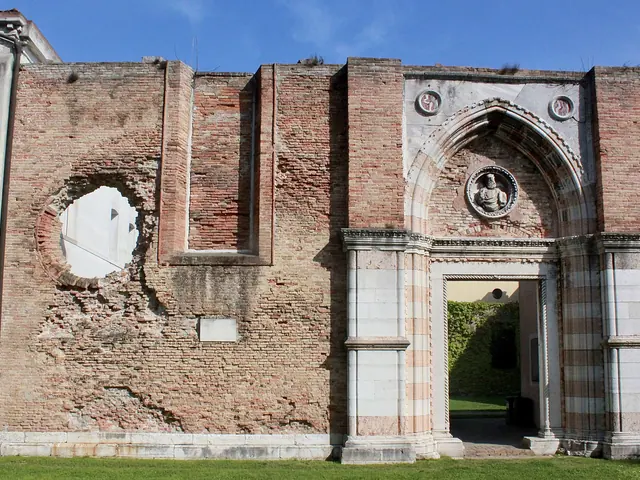 Church of Santa Maria dei Servi (Camerino)Church · Camerino
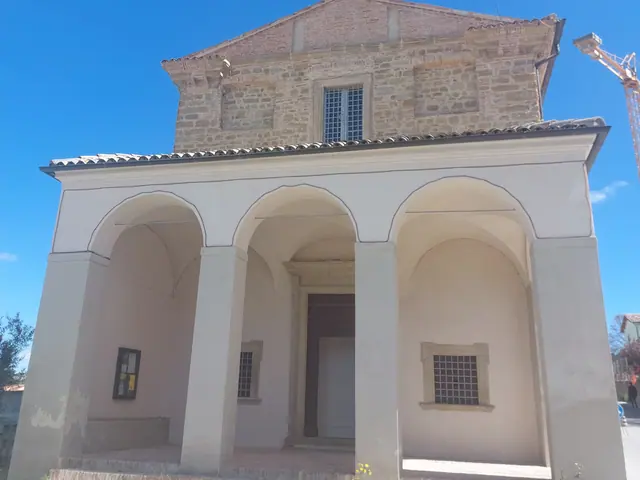 Church of Santa Maria delle Grazie in CamerinoChurch · Camerino
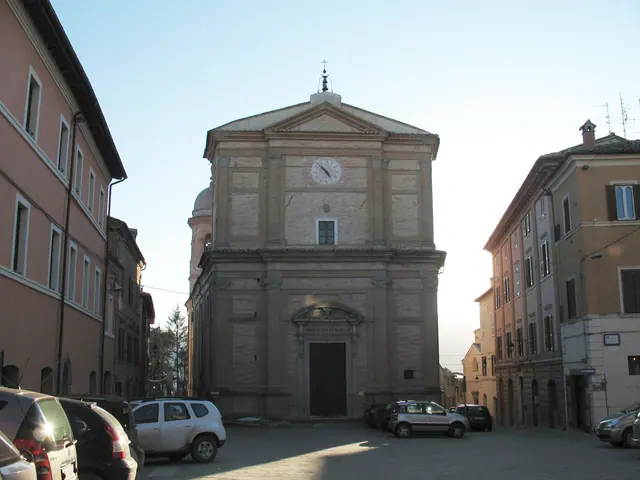 Church of Santa Maria in Via in CamerinoChurch · Camerino
- ChurchChurch of Santo Stefano in CamerinoChurch · Camerino
- Monastery or abbeyHermitage of Madonna di Valpovera in CamerinoMonastery or abbey · Camerino
- Ruins or archaeological siteThe Camerino City Walls (town walls)Ruins or archaeological site · Camerino
- Museum or art galleryCivic and Diocesan Museums (Camerino)Museum or art gallery · Camerino
- Museum or art galleryDiocesan Museum of CamerinoMuseum or art gallery · Camerino
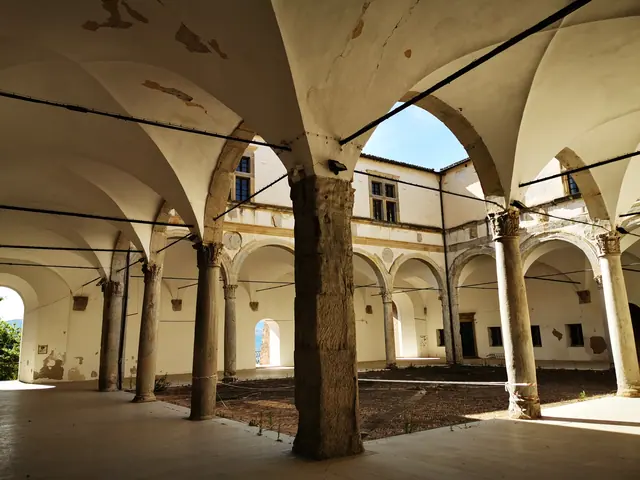 Ducal Palace (Camerino)Museum or art gallery · Camerino
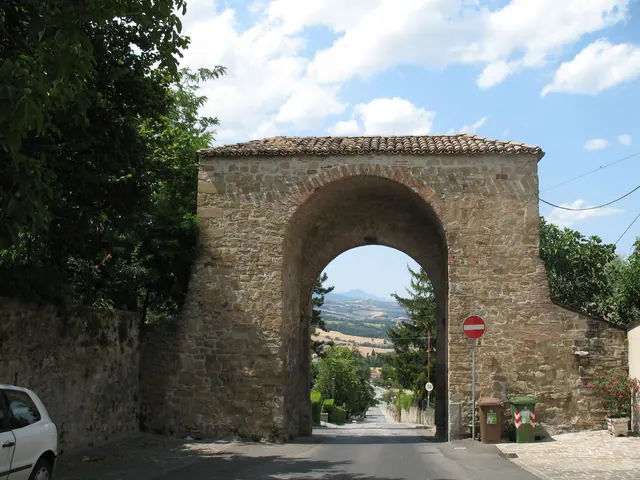 Porta Boncompagni in CamerinoCity walls and gates · Camerino
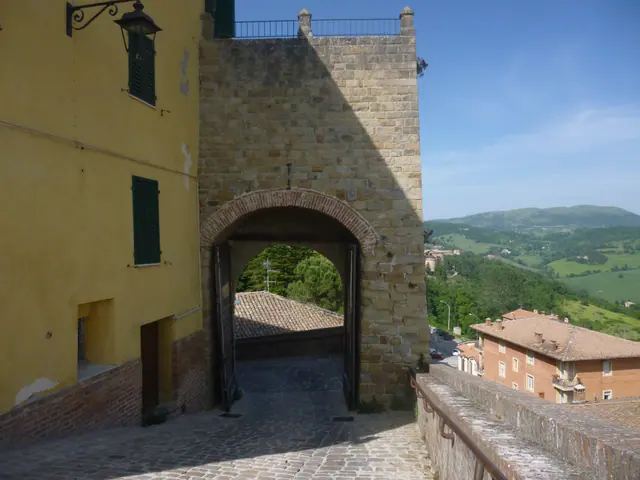 Porta Caterina Cybo in CamerinoCity walls and gates · Camerino
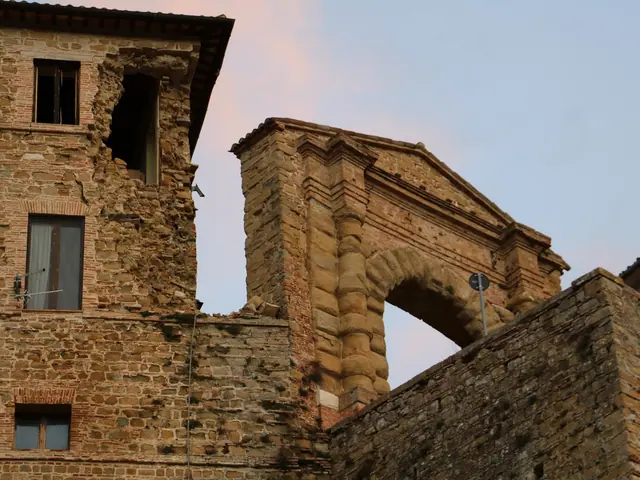 Porta Malatesta in CamerinoCity walls and gates · Camerino
- Ruins or archaeological siteCampolarzo Fortress in CamerinoRuins or archaeological site · Camerino
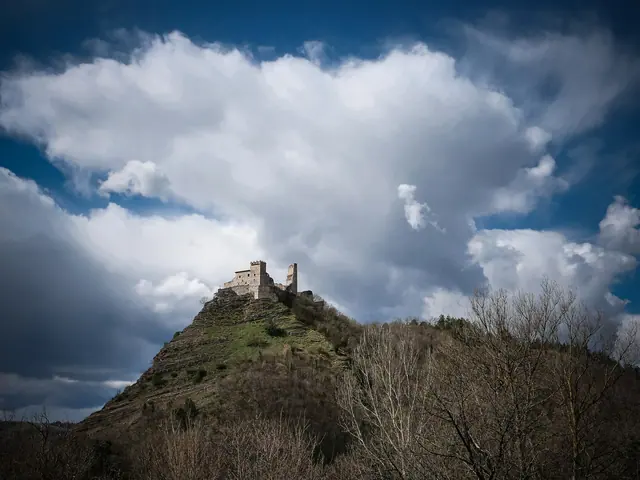 Varano Fortress in CamerinoCastle or fortress · Camerino
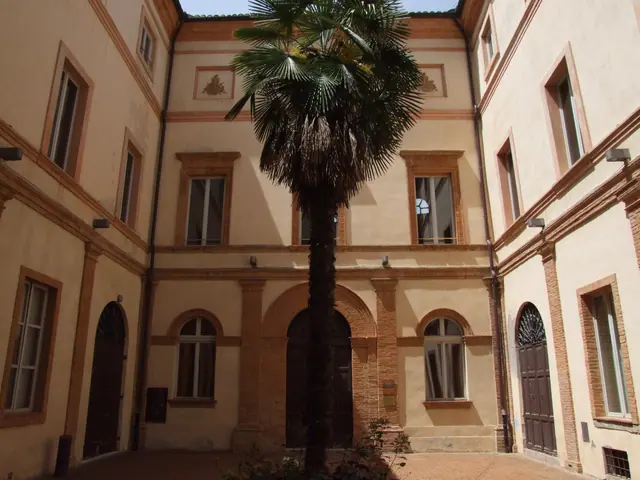 Filippo Marchetti Theater in CamerinoTheater or auditorium · Camerino
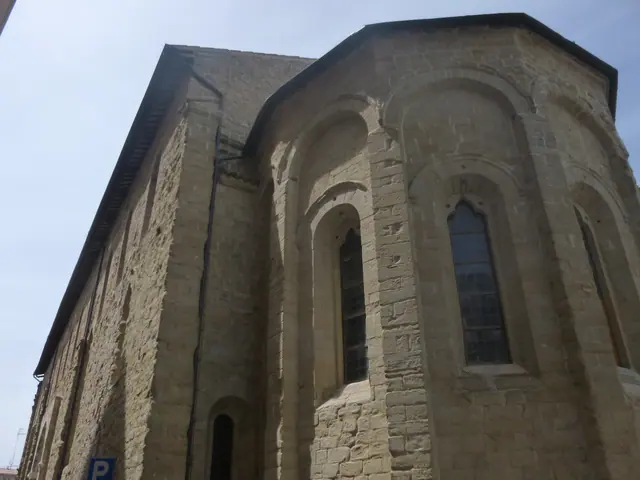 Temple of San Francesco in CamerinoChurch · Camerino
- Castle or fortressBeregna TowerCastle or fortress · Camerino
No results with these filters.
On the map
Points from the site database. Map © OpenStreetMap contributors · Protomaps.
Things to do in Camerino: the map
The main sights can be reached on foot from the center. A sensible itinerary starts from the Duomo and the monumental complex of Piazza Cavour. It then continues toward the Palazzo Ducale, the Borgia fortress and the stretch of historic walls.
- Piazza Cavour: home to the Cathedral, the Palazzo Ducale with the adjoining Botanical Garden, the Archbishop's Palace and the Museo Diocesano.
- Piazzale della Vittoria: from here you reach the Rocca Borgesca, on the southwest side of the town.
- San Domenico complex: a 13th-century building, home to the Civic Museums and the art gallery, under reconstruction after the earthquake.
- Basilica di San Venanzio: a few hundred meters from Piazza Cavour.
- Varano Fortress: outside the town, on a rocky spur in the hamlet of Varano, along the Chienti road.
- Convento dei Cappuccini di Renacavata: about 3 km from the center.
Travelers arriving from outside town can see Rocca Varano from the SS 77 expressway. The exit to take is the one after Caccamo, toward Camerino.
Things to do in Camerino: the sights not to miss
Palazzo Ducale. This Renaissance monument, the historic seat of the University of Camerino, has been unusable and closed to visitors since the 2016 earthquake; restoration work began in 2026. The oldest part was remodeled at the end of the 14th century. The palace was then enlarged and completed in the second half of the 15th century under Giulio Cesare da Varano. The four-sided porticoed courtyard, attributed with some doubt to Baccio Pontelli, is the heart of the building, and the halls open around it. Among them the Sala degli Sposi stands out, with 15th-century frescoes. At the back, high above the walls just over the botanical garden, there is a balcony of masonry and wrought iron. From there the view sweeps over the Sibillini and the Camerino countryside. The basement holds the Sala della Muta. The last Da Varano lived here: Giulio Cesare with his wife Giovanna Malatesta, then Duke Giovanni Maria with Duchess Caterina Cybo and their daughter Giulia, with whom the dynasty died out. As for the palace as a university seat, in 1727 Pope Benedict XIII recognized the University of Camerino and allowed it to award degrees in theology, law, medicine and mathematics.
Museo Diocesano and Palazzo Arcivescovile. The museum occupies the Archbishop's Palace and is named after Giacomo Boccanera, who conceived it in 1965. The 2016 earthquake had closed it for nine years. In October 2025 it reopened with a new layout. The route takes in panel paintings, frescoes, banners, large canvases, wooden and stone sculptures, goldsmith work and sacred vestments. The display now includes more than 130 pieces.
Cattedrale di Santa Maria Annunziata. The cathedral stands on Piazza Cavour, next to the Palazzo Ducale. Like other religious buildings in the center, it was damaged by the 2016 earthquake. Before planning a visit to the interior, it is best to check access conditions. Its history and works are described on the page about the Camerino Cathedral.
Basilica di San Venanzio. The basilica is dedicated to the patron saint of Camerino. Its origins go back to the late Roman period, and it was rebuilt in the 15th century; after the earthquake of 1799 the interior was redone in the 19th century in Neoclassical style. Inside, the dome, a marble altar, a carved walnut choir and a large wooden crucifix stand out. The basilica, closed after the 2016 earthquake, reopened in December 2019, while the church of San Filippo Neri is still closed, unsafe because of the 2016 damage. The Cathedral and the church of Santa Maria in Via are also still closed. The story of the Basilica of San Venanzio is on its own page.
Rocca Borgesca (Rocca dei Borgia). Cesare Borgia had it built in 1503 to a design by Ludovico Clodio, to control the town from the southwest side. The cylindrical towers and the massive keep are examples of early Renaissance military architecture. It is said that it was designed more to intimidate citizens nostalgic for the Da Varano than to defend them, and that its cannons pointed toward the center. Giovanni Maria da Varano restored it after retaking the town. In the fortress Pope Clement VII kept the treasures of the sanctuary of Loreto, to protect them from Saracen raids. From Piazzale della Vittoria, home to the war memorial by sculptor Giuseppe Tonini, you enter the gardens created by filling in the moat.
Rocca Varano. The fortress was built in the early 12th century as a fortified residence of the Da Varano and turned into a defensive stronghold in the 14th century. From its spur it controlled the road between Rome and the Adriatic. Travelers and pilgrims passing through were charged a toll, a good source of income for the lordship. After the end of the duchy, the fortress escaped decay because it was adapted as a farmhouse. From the outside, the cut in the rock for the drawbridge and the view over the valley can be appreciated. After consolidation work following the earthquake, the fortress reopened to the public on October 12, 2026, with a new visitor route.
San Francesco, Santa Chiara and the other churches. The church of San Francesco dates from the 13th century. The monastery of Santa Chiara, founded in 1384, was enlarged by Giulio Cesare da Varano for his daughter Camilla Battista. Many other religious buildings stand around the historic center. For example, the Church of San Filippo Neri is described on its own page. The Teatro Filippo Marchetti and the Archbishop's Palace complete the town's monumental core.
Musei Civici and Pinacoteca. The civic museums and art gallery are housed in the 13th-century convent complex of San Domenico, where reconstruction work is under way after the 2016 earthquake. The collections range from archaeological finds to the Varano picture gallery and works by the earliest local painters: before going, it is best to check whether the museum has reopened.
Convento dei Cappuccini di Renacavata. It stands about 3 km from the center and is the mother house of the Capuchin order, founded in 1528: Duchess Caterina Cybo gave the convent to the friars around 1529. The church holds a majolica by Santi Buglioni. The Capuchin friars, led by Matteo da Bascio, had found their first home in the Palazzo Ducale. A few years later they moved to Renacavata, where there is now a Capuchin History Museum.
Things to do in Camerino: tips for your visit
Camerino is easy to visit on foot. The streets are narrow and the squares irregular in shape, and the medieval layout is still readable despite the earthquake damage. The historic center is still partly under reconstruction. Some buildings are still unsafe and others are building sites. For this reason it is best to check in advance which sites are open, especially churches, museums and fortresses.
The Museo Diocesano is open in the Archbishop's Palace on Piazza Cavour: it is the first major space in the historic center to reopen. Piazza Cavour is also where the town's university life is most visible, with students and graduates bringing it to life. The botanical garden and the panoramic balcony at the back of the Palazzo Ducale offer a view of the Sibillini.
To travel outside town to Rocca Varano, a car is needed: from the SS 77 expressway, exit after Caccamo and leave the car in the hamlet of Varano, a few hundred meters from the fortress. Nearby there are a few rest areas suitable for a picnic.
For eating and sleeping, see the page on Camerino hotels and places to stay or the one on Camerino restaurants. A general overview of the town is on the Camerino guide page.