


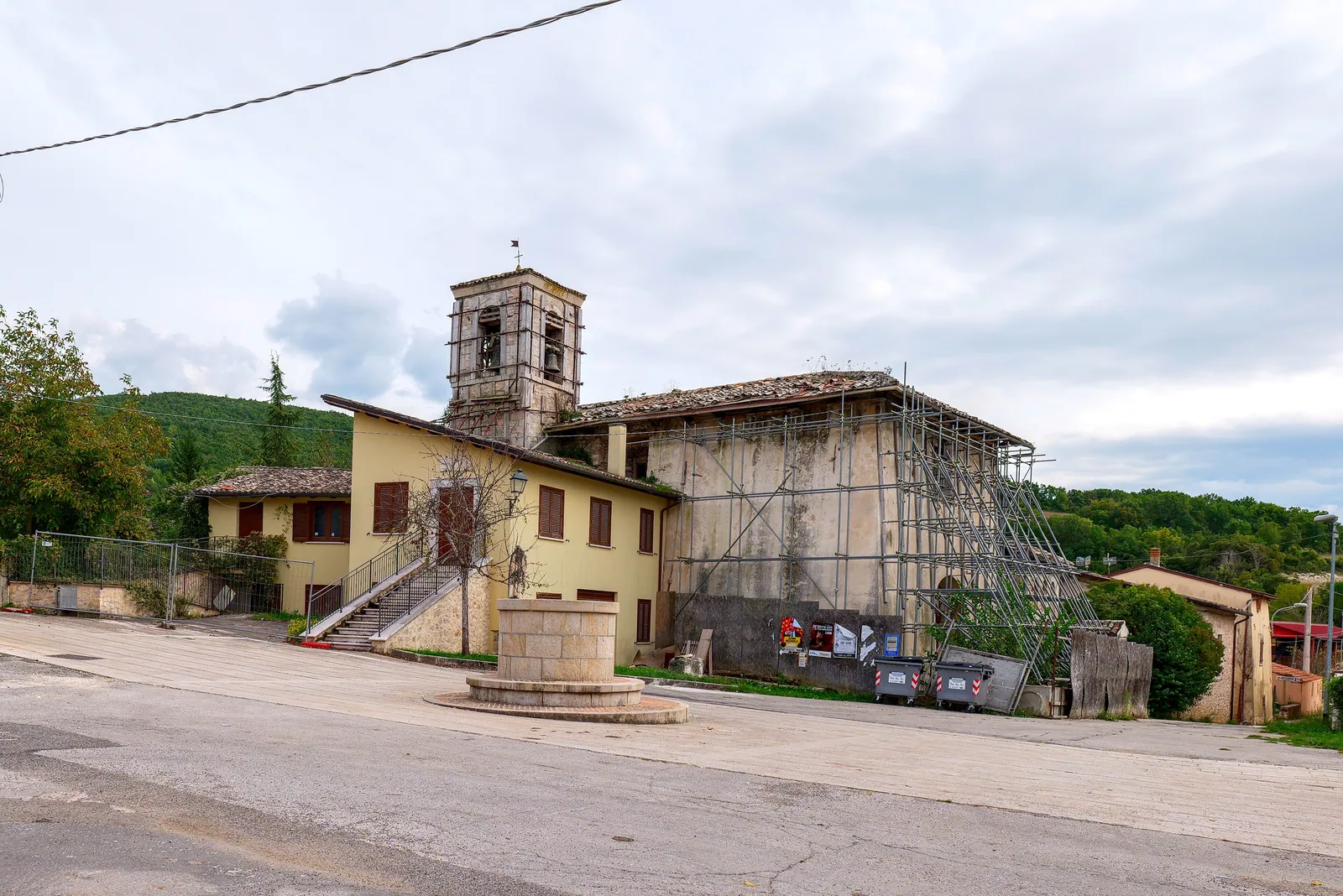
Cascia local products and shops
Among Cascia local products, the symbol of Cascia is its pure saffron, nicknamed the "red gold of Cascia". It is a spice tied to a documented medieval tradition and is sold in small glass jars with cork stoppers. Alongside saffron there are mountain legumes, cheeses, Norcia-style cured meats and honey.
Cascia is the town of Saint Rita, with a historic center of lanes, stairways and constant ups and downs. Small shops open between the houses. Many of the cured meats on sale come from Norcia, a few kilometers away.
The addresses
9 results
- BakeryValpan, CasciaBakery · Cascia · 100 m from the center
- DelicatessenSalumi e formaggi, CasciaDelicatessen · Cascia · 200 m from the center
- DelicatessenDa Gilberto le Bonta di CasciaDelicatessen · Cascia · 300 m from the center
- DelicatessenLa Bottega del Gusto, CasciaDelicatessen · Cascia · 300 m from the center
- Farm shopAgricola Piconi di Piconi Alessandro & C, CasciaFarm shop · Cascia · 1.4 km from the center
- Farm shopProdotti Tipici, CasciaFarm shop · Cascia · 4.1 km from the center
- DelicatessenAntichi Sapori da Armadina, CasciaDelicatessen · Cascia · 4.1 km from the center
- Farm shopAzienda agricola Persiani Roberto, CasciaFarm shop · Cascia · 4.8 km from the center
- Farm shopFattoria di Opagna, CasciaFarm shop · Cascia · 9.7 km from the center
No results with these filters.
On the map
Points from the site database. Map © OpenStreetMap contributors · Protomaps.
Cascia local products: what to buy
Saffron is the first product to look for. It is bought as threads (stigmas), not powdered in sachets, and it is used for much more than risotto. It goes into soups with farro and potatoes, roasts, pizza, pearl barley side dishes, mousse and gelato. Cascia saffron is also found in some cheeses.
Legumes are the second chapter. Around Cascia, mountain lentils, farro, cicerchia (grass pea) and barley are grown. Roveja is a native wild pea, also known in Castelluccio di Norcia, and in Civita di Cascia it is a Slow Food Presidium. It works well in soups and on crostini. Shops also sell Castelluccio di Norcia lentils, which have IGP (PGI) status, and Monteleone di Spoleto farro, which carries the DOP (PDO) label.
As for cheeses, the valleys around Cascia produce caciotte, fior di latte mozzarella, ricotta salata and pecorino. Sheep's milk ricotta salata is eaten fresh after ten to twelve days of aging. Aged four to six months, it becomes a grating cheese. Pecorino di Norcia comes in very different agings: after about sixty days it is considered fresh, after eight to twelve months it is for grating. The "pecorino del pastore" (shepherd's pecorino) stands out because it can mature in barrels, pits or caves. There are also cheeses with black truffle and with Cascia saffron.
The cured meats follow the Norcia tradition. Prosciutto di Norcia has IGP status. Other products include collarina, the typical Umbrian salami, barbozzo (cured pork jowl, like guanciale), lonza, coppa, ventresca and sausages. There are also wild boar sausage, ciauscolo (a soft spreadable salami) and "cojoni di mulo" (a traditional salami).
For something sweet, there is wildflower honey. Beekeeping has a long tradition in the area, linked to monasteries, convents and castles. The honey recalls the "miracle of the bees" attributed to Saint Rita. Other local products include black truffle and scorzone (the summer truffle), as well as amari and craft beers. Among traditional sweets is rocciata, typical of feast days.
Cascia local products: map of the shops
The map gathers Cascia businesses devoted to local products: food shops, cured meat and cheese stores, farms and producers. They include Antichi Sapori da Armadina, Da Gilberto le Bonta di Cascia, La Bottega del Gusto, Salumi e formaggi, Valpan, Fattoria Di Opagna and Agricola Piconi di Piconi Alessandro & C. The list also includes a listing simply titled Prodotti Tipici.
Some businesses have a clearer profile. Da Gilberto le Bonta di Cascia sells local products, cured meats, cheeses, legumes and truffles. Azienda agricola Persiani Roberto grows legumes, grains and truffles, but is best known for pure Cascia saffron. In the past it was described as selling through its website, by phone or at markets, not in a shop open to the public. Farms and producers may work by appointment, so it is best to contact them before going, using the details on their individual pages.
Anyone planning a day in Cascia can combine shopping with a visit to the town: the list of sights is on the page things to do in Cascia.