


Things to do in Montemonaco
Montemonaco is a village in Sibillini National Park, in the Sibillini Mountains, in the province of Ascoli Piceno. It stands in the upper Aso valley, facing Monte Sibilla. For those looking for things to do in Montemonaco, the historic center is explored on foot. From the panoramic terrace of Piazza Roma you reach the Palazzo Comunale with its 14th-century civic tower, then the churches of San Biagio and San Benedetto Abate. The walk continues with the castle walls and gates. The Sibyl's Cave Museum, dedicated to the legend of the prophetess, is currently closed for restoration. Outside the village are the hiking destinations of the municipality: Monte Sibilla and Lago di Pilato.
The village's history is tied to monks. In the early Middle Ages Benedictine monks climbed up to this settlement facing Monte Sibilla. By the end of the 10th century Montemonaco was already a small village, led by the monks. Toward the end of the 13th century the rural settlements scattered at the foot of the Sibillini joined together as a free commune and chose as their seat the easily defended village on the hilltop. Montemonaco is the second-highest municipality in Le Marche.
The places
23 results
- ChurchCasa Gioiosa Chapel (Montemonaco)Church · Montemonaco
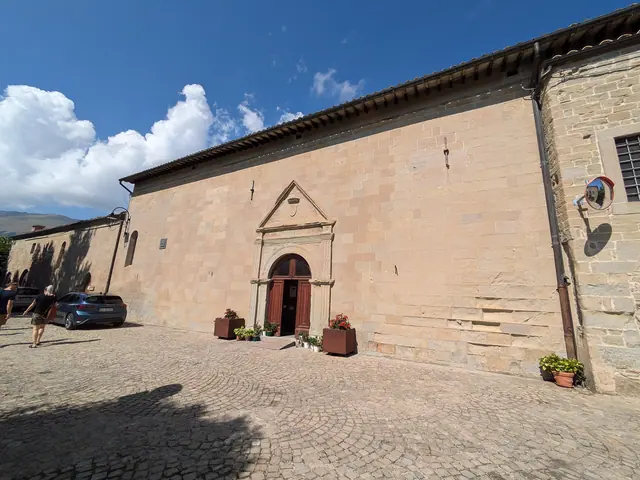 Church of San Benedetto (Montemonaco)Church · Montemonaco
- ChurchChurch of San Biagio intra moenia (Montemonaco)Church · Montemonaco
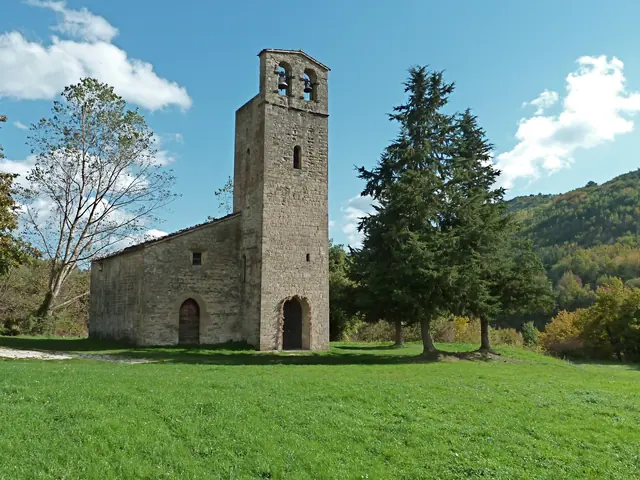 Church of San Giorgio all'Isola (Montemonaco)Church · Montemonaco
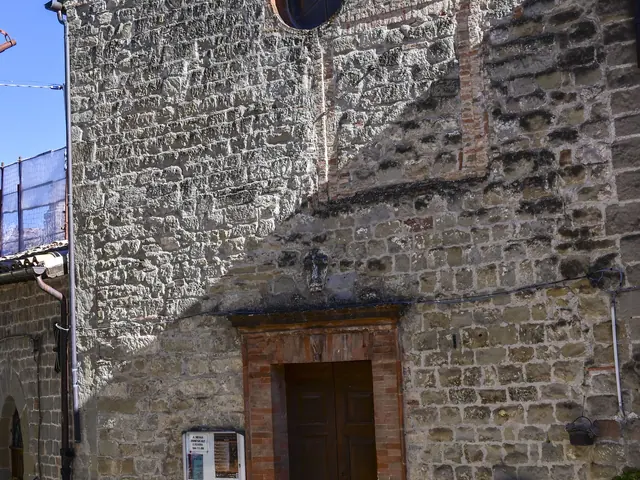 Church of San Giovanni Battista (Montemonaco)Church · Montemonaco
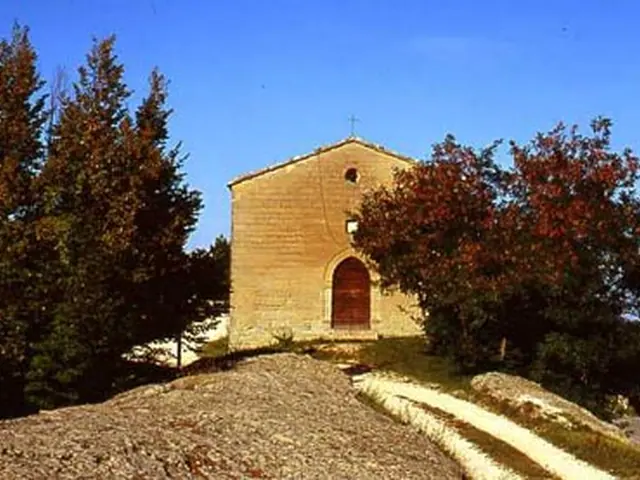 Church of San Michele (Montemonaco)Church · Montemonaco
- ChurchChurch of Sant'Andrea (Montemonaco)Church · Montemonaco
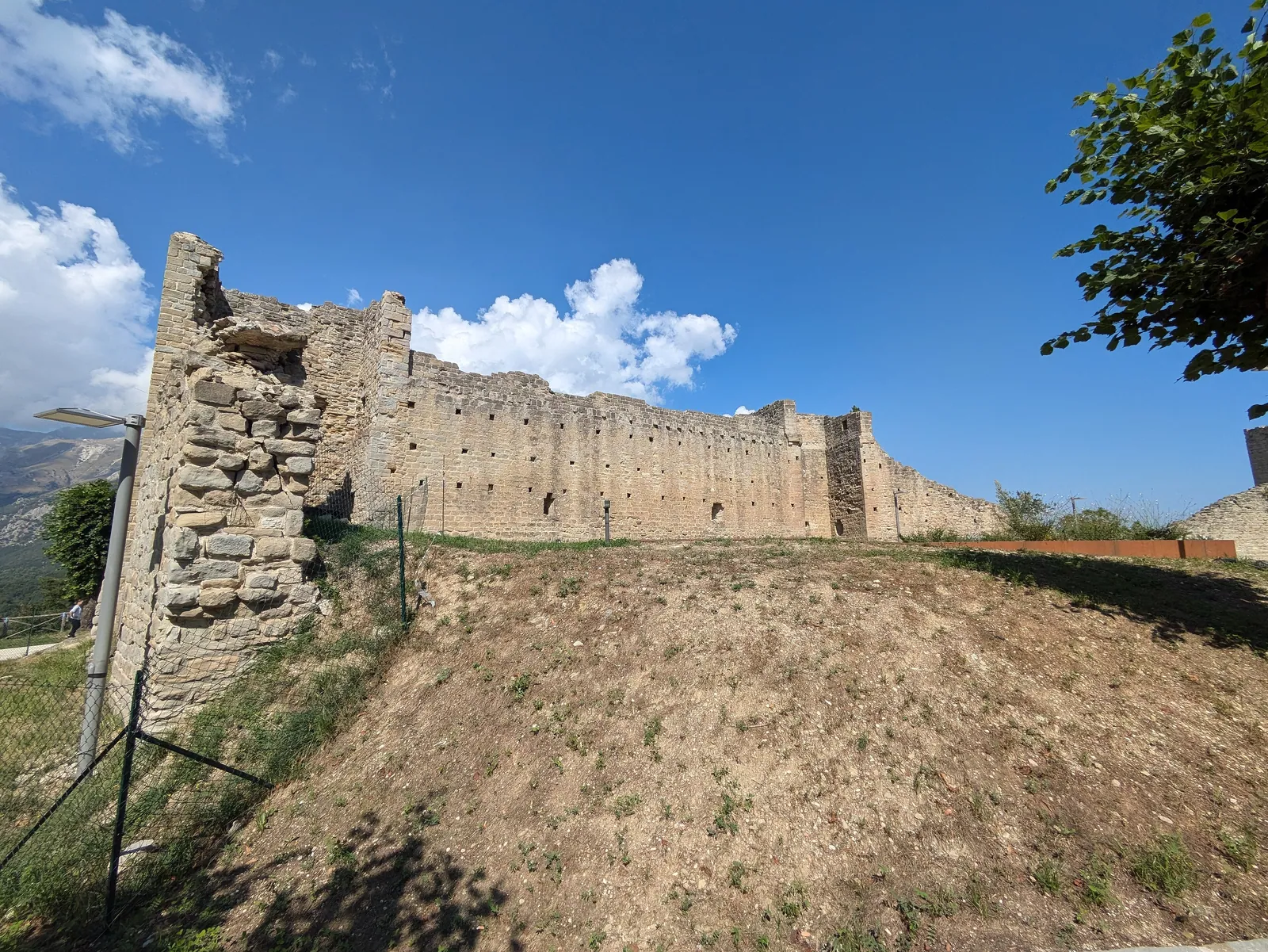
- City walls and gatesCastle Walls and Towers (Montemonaco)City walls and gates · Montemonaco
- Museum or art gallerySibyl's Cave Museum (Montemonaco)Museum or art gallery · Montemonaco
- Museum of Sacred Art (Montemonaco)Guide
- City walls and gatesPorta San Biagio in MontemonacoCity walls and gates · Montemonaco
- ChurchSanta Maria in Casalicchio (Montemonaco)Church · Montemonaco
- PeakCima dell'OsservatorioPeak · Montemonaco
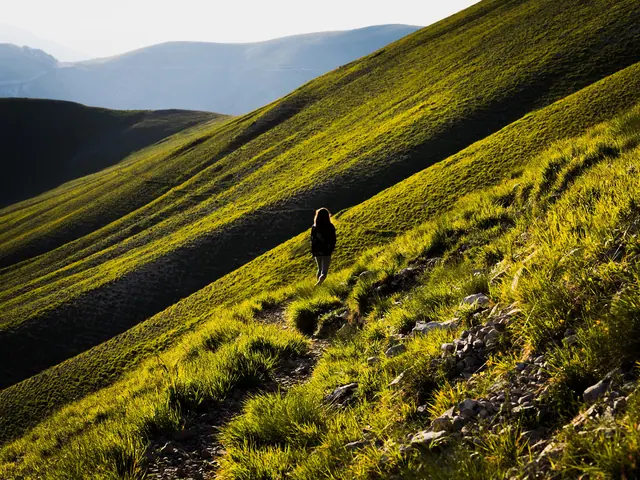 Cima di Forca ViolaPeak · Montemonaco
- CaveGrotta della SibillaCave · Montemonaco
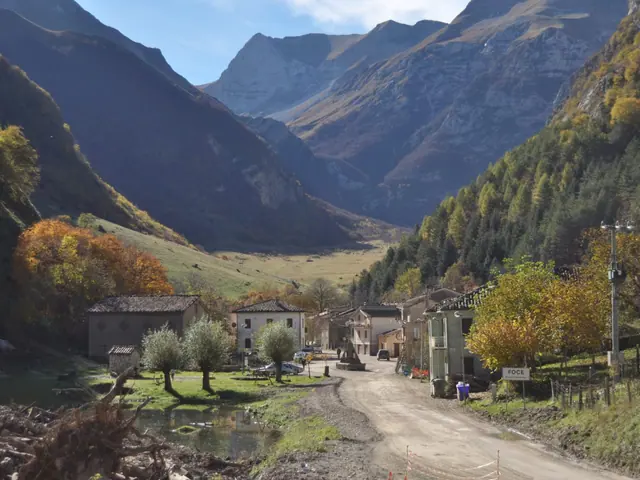 Il LaghettoLake · Montemonaco
- LakeLaghetto di Palazzo Borghese in MontemonacoLake · Montemonaco
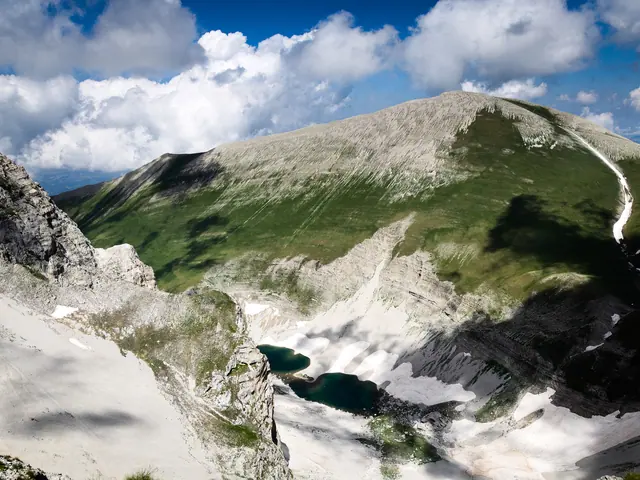 Lago di PilatoLake · Montemonaco
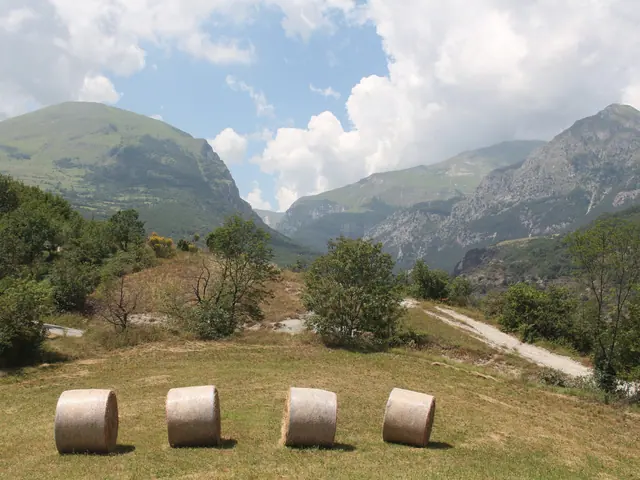 Monte SibillaPeak · Montemonaco
- PeakMonte TorronePeak · Montemonaco
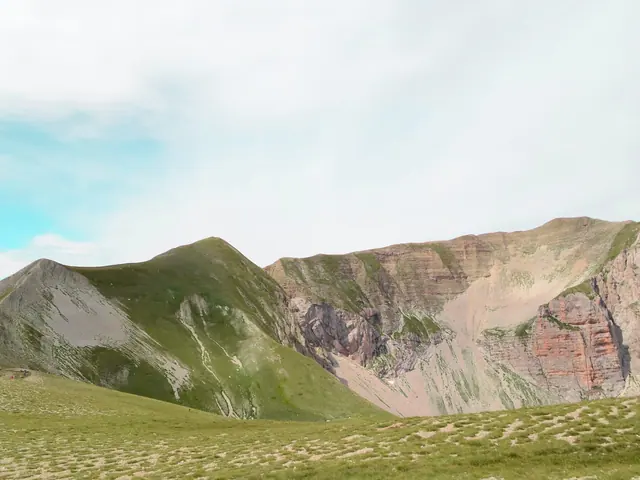 Punta di Prato PulitoPeak · Montemonaco
- PeakQuarto San LorenzoPeak · Montemonaco
- PeakSasso di Palazzo BorghesePeak · Montemonaco
No results with these filters.
On the map
Points from the site database. Map © OpenStreetMap contributors · Protomaps.
Things to do in Montemonaco: the map
The map brings together two groups of places. The first is the historic center, with churches, museums, walls and viewpoints, explored on foot in a stroll through the village streets. The second is the area around the village: peaks, caves, lakes and hamlets. These places are reached by hikes or short drives, and the page dedicated to each explains how to get there and which trails to follow.
Things to do in Montemonaco: the top sights
Panoramic terrace and viewpoint. The view is one of the reasons to stop in Montemonaco. At the viewpoint a panel helps identify the individual peaks, and the view reaches as far as the Gran Sasso and the Maiella. The nearby Parco Montiguarnieri offers a view from its belvedere over the surrounding Sibillini Mountains. From the public gardens you can also see the massifs of Monte Vettore and Monte Sibilla.
Palazzo Comunale and civic tower. Walking up Via Italia you reach the town hall, with its 14th-century tower, and the church of San Giovanni Battista.
Church of San Benedetto. The church of San Benedetto is the main monument of the historic center. Inside are a late 15th-century polychrome wooden crucifix and a fresco from the school of Crivelli with Christ crucified between the Virgin and Santa Lucia. There is also a 16th-century silver reliquary holding the relics of the arm of San Benedetto. The silver arm was made by a goldsmith from Norcia, Cristoforo Quarantotto. The carved wooden confessionals are among the finest things to see. The date 1546 is carved on the doorway.
The church has a recent history worth knowing. The 2016 earthquake had made it unsafe, and it reopened on April 6, 2019, after restoration work. In the meantime its role had been taken by the church of the Casa Gioiosa holiday colony, one kilometer from the village.
Church of San Biagio intra moenia and Museo di Arte Sacra. Next to San Benedetto stands the former church of San Biagio. The museum was set up here in 2007, in a Romanesque place of worship that stands right against the present parish church. The building has been altered several times. On its right side it has two 16th-century sandstone altars. The Gothic apse and the bell tower were incorporated into the church of San Benedetto. The Museo di Arte Sacra (museum of sacred art) holds many wooden sculptures from the area. Among the paintings are the Madonna del Soccorso (1521) by Giulio Vergari and a late 16th-century Madonna del Rosario. There is also the altarpiece with San Biagio and Sant'Antonio Abate, attributed to Pier Leone Ghezzi (1674-1755).
Castle walls, towers and gates. The circuit of walls is in sandstone and was fitted with towers when the castle was built. It surrounds the historic center and encloses large green spaces. Arrow slits are still visible in the towers. The walls were once broken only by three gates: Porta San Giorgio, Porta San Biagio and Porta San Lorenzo. The historic route passes through Porta San Biagio and ends at the remains of Porta San Lorenzo, incorporated into the walls.
The walls were damaged by the earthquake. The 2016-2017 shocks caused cracks, detachments and collapses on both the walls and the towers. In June 2024 a repair project was approved by the regional Conference. The opening of a new green park in front of the towers had also been announced. Before planning the visit, it is best to inquire.
Museo della Grotta della Sibilla. The museum is in Villa Curi, right in the historic center, and is divided into sections that trace the history of the place through books and parchments. It was founded in 2009 jointly by the Comune and the Sibillini National Park authority, and then expanded and renovated in 2012. The exhibit combines historical and anthropological background with multimedia technology. Among the objects is the Gran Pietra, taken from Lago di Pilato, with carved letters: they are the names of three knights from Spoleto who visited the lake around 1500. The reconstruction of the cave lets visitors descend into a tunnel as the explorers did. The museum is currently closed for restoration: before visiting, check whether it has reopened.
Hamlets and surroundings. The municipality includes many hamlets. Among them are Altino, Foce and San Giorgio all'Isola. For another stop nearby there is the Sanctuary of Madonna dell'Ambro, known as the little Lourdes of the Sibillini. The sanctuary is in Montefortino.
Monte Sibilla and the Grotta della Sibilla. The legend grew up around a cave just below a bare, smooth peak, today called Monte Sibilla. Inside the cave, a narrow passage led to two huge metal doors: they were the doors to the realm of the Sibyl, a woman with powers of divination. Then the entrance was blocked. The hike climbs through beech woods and high-altitude grasslands, with wide views, up to the entrance of the cave, now partly collapsed.
Lago di Pilato. It is the only natural body of water in Le Marche and one of the very few glacial lakes in the Apennines. A legend says that the buffaloes carrying the body of Pontius Pilate plunged into its waters. In the past the lake drew necromancers and sorcerers: on a strip of sand between the two basins, rituals were held to summon the Devil.
Other natural destinations. Palazzo Borghese is not a building but a mountain, with very beautiful scenery. Another walk crosses the Gole dell'Infernaccio, with sheer drops, mule tracks, rivulets and woods. Other destinations are Cima dell'Osservatorio, Cima di Forca Viola, Monte Torrone, Punta di Prato Pulito, Quarto San Lorenzo and the Sentiero delle Fate (Fairies' Trail). Each has its own page.
Things to do in Montemonaco: visiting tips
The historic center is best seen by following the village route. Start from Piazza Roma and the panoramic terrace, then climb to the Palazzo Comunale and the churches of San Biagio and San Benedetto. Continue through the public gardens along the walls and pass through Porta San Biagio, up to the remains of Porta San Lorenzo. The tour can end in Piazza Risorgimento.
Some buildings were damaged by the 2016 earthquake: the walls and towers, and for a time also the church of San Benedetto. Before setting out, check the status of each site. Museum hours may vary with the season: it is best to check them before visiting.
For hikes to Monte Sibilla, the cave or Lago di Pilato, check the weather forecast and choose footwear suited to the mountains. Weather conditions at altitude change quickly. In winter the area is also popular for snow sports. A plan can therefore be made for any season. For food and lodging there are the pages Montemonaco restaurants and where to stay in Montemonaco, and for outdoor activities the page on Montemonaco activities.