


Things to Do in Caldarola
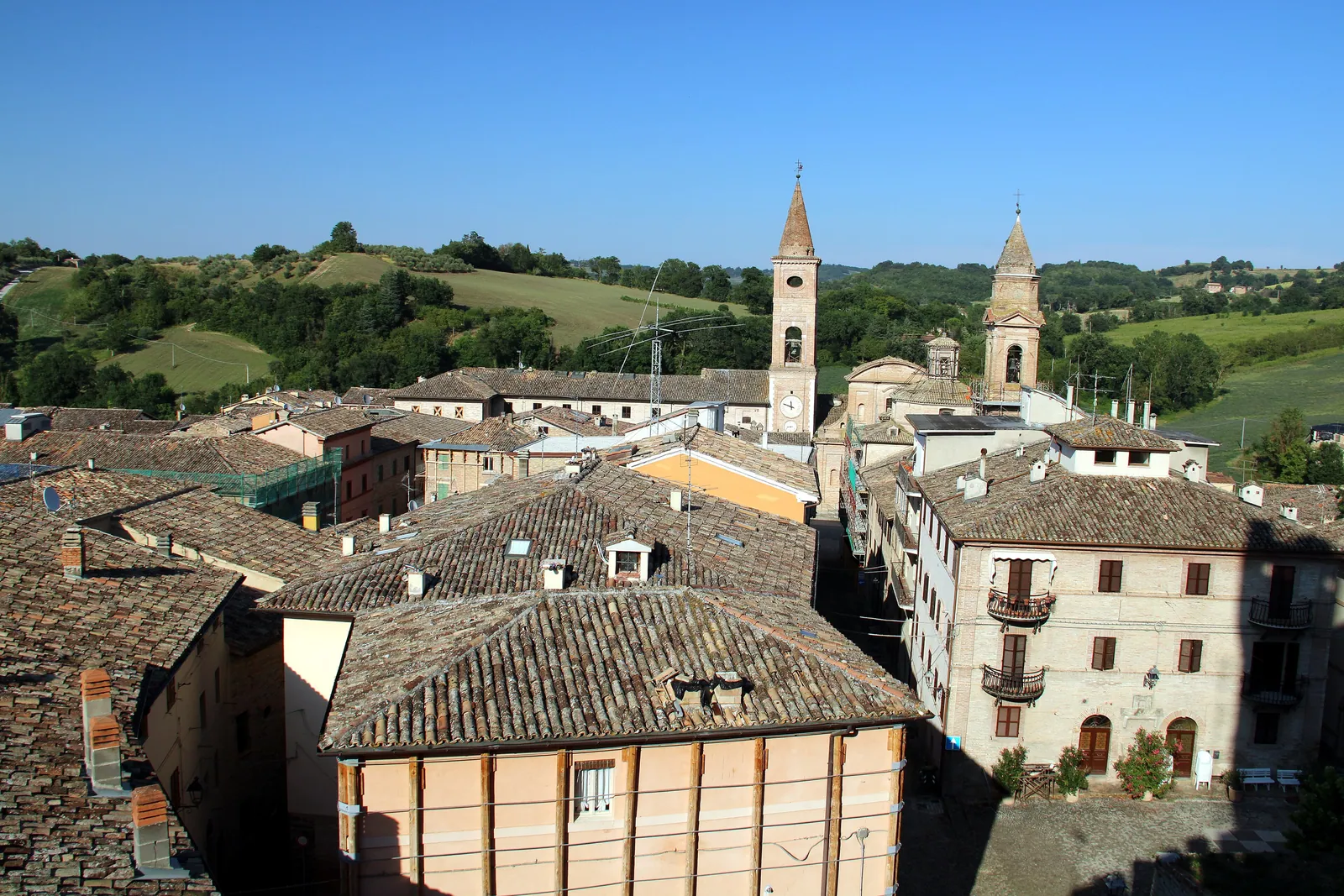
What are the things to do in Caldarola, in the province of Macerata? The heart of any visit is the historic center, whose layout owes much to Cardinal Evangelista Pallotta. The square, the portico that frames it on two sides, the Collegiate Church of San Martino, the side palazzi and the four streets climbing toward the castle all belong to a single design. On the hill above stands Pallotta Castle, next to the Baroque churches of the square.
Caldarola lies about 25 km southwest of Macerata and about 60 km southwest of Ancona. It has 1,621 residents. The 2016 earthquake damaged many historic buildings, so before setting out it is worth knowing which sites are closed or awaiting reconstruction. Details are given in the sections below.
The places
18 results
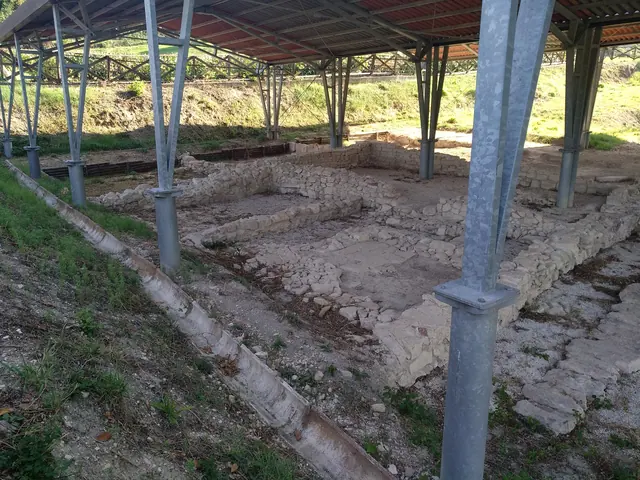 Pievefavera Antiquarium (Caldarola)Museum or art gallery · Caldarola
- Ruins or archaeological sitePievefavera Archaeological Area (Caldarola)Ruins or archaeological site · Caldarola
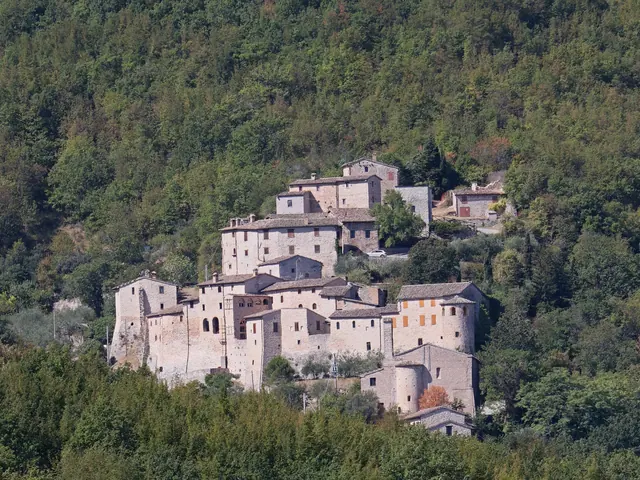 Vestignano Castle (Caldarola)Castle or fortress · Caldarola
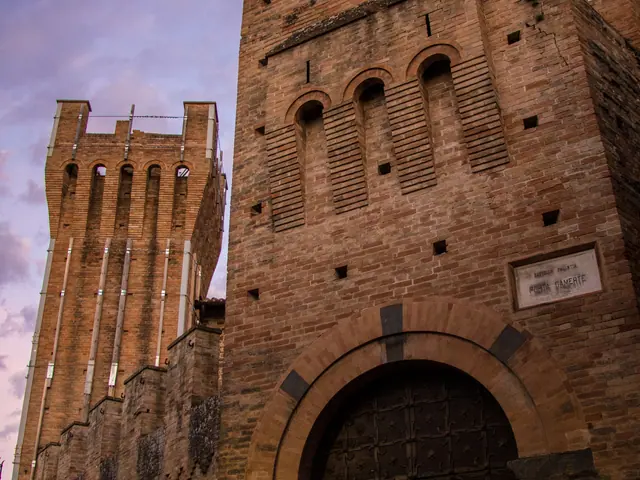 Pallotta Castle (Caldarola)Castle or fortress · Caldarola
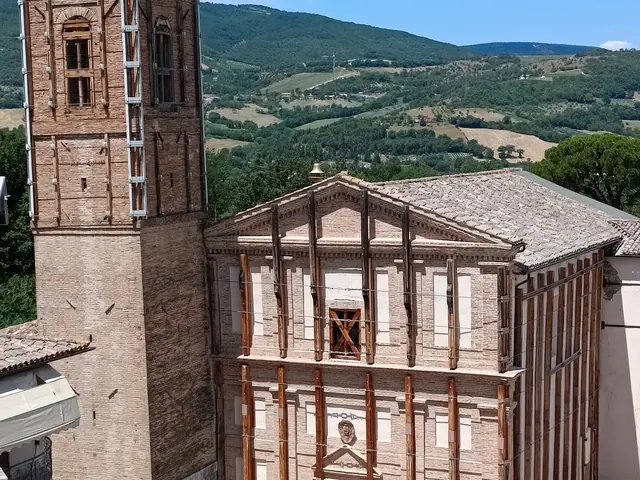 Church of Santi Gregorio e Valentino (Caldarola)Church · Caldarola
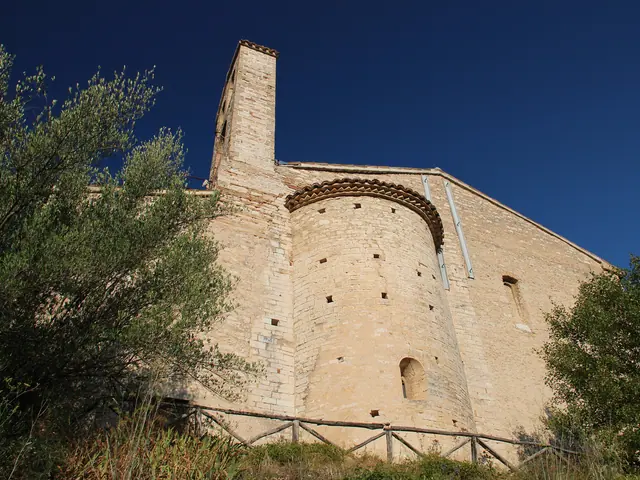 Church of Santi Martino e Giorgio (Caldarola)Church · Caldarola
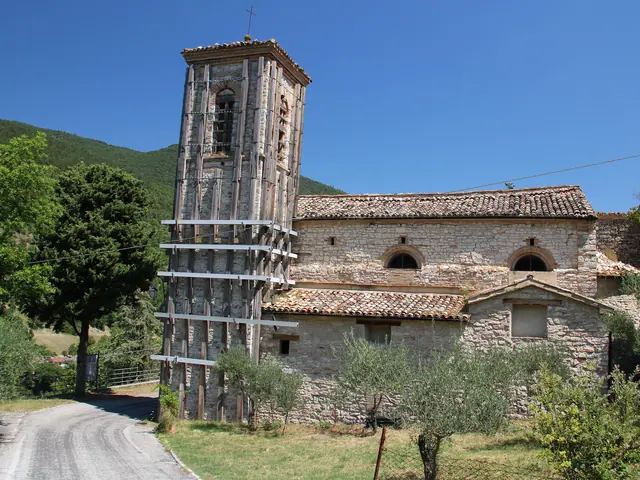 Church of Santi Pietro e Biagio (Caldarola)Church · Caldarola
- ChurchChurch of Santa Caterina (Caldarola)Church · Caldarola
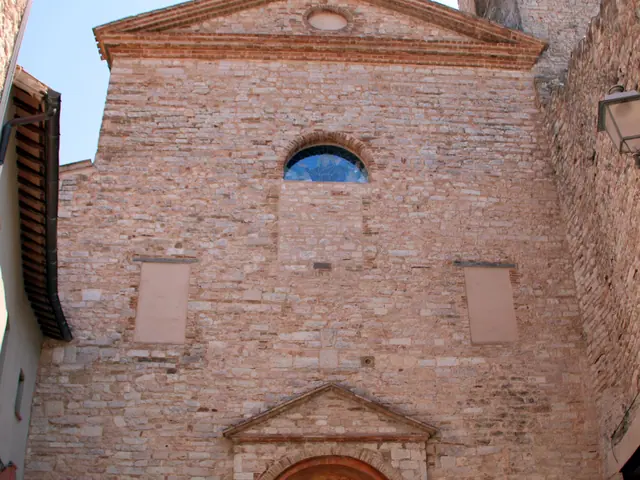 Church of Santa Maria Assunta (Caldarola)Church · Caldarola
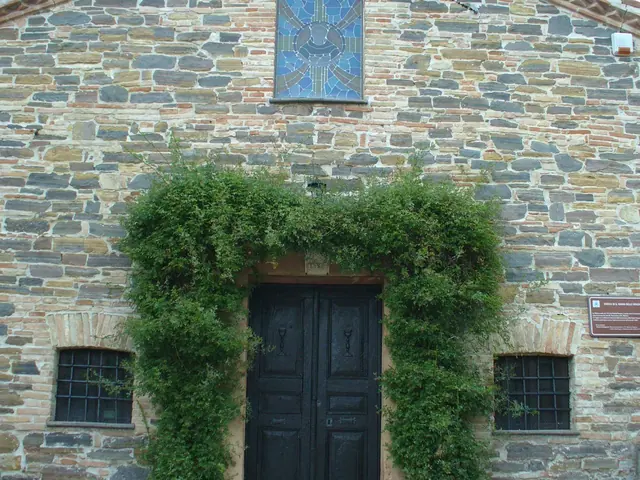 Church of Santa Maria delle Grazie in CaldarolaChurch · Caldarola
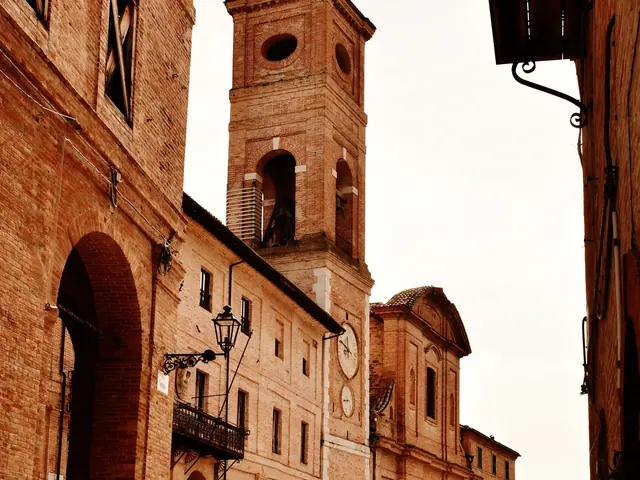 Collegiate Church of San Martino in CaldarolaChurch · Caldarola
- Museum or art galleryMuseum of Peasant Art (Caldarola)Museum or art gallery · Caldarola
- Museum or art galleryMuseum of the Resistance (Caldarola)Museum or art gallery · Caldarola
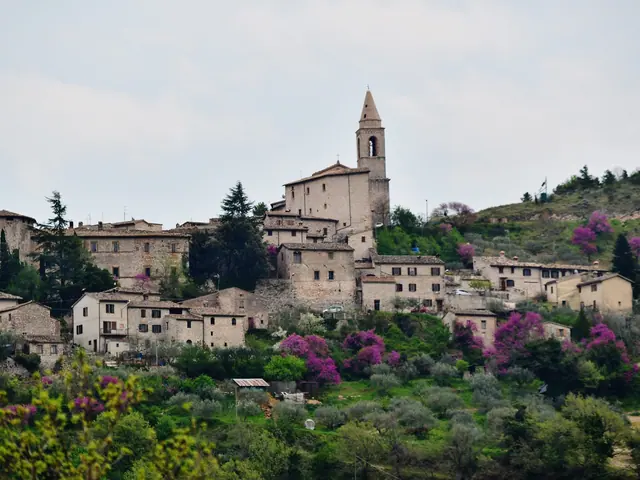 Pievefavera (Caldarola)Museum or art gallery · Caldarola
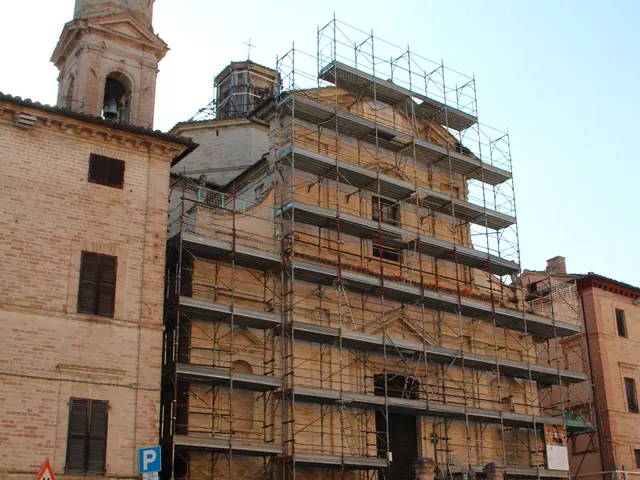 Sanctuary of Madonna del Monte (Caldarola)Church · Caldarola
- Theater or auditoriumParish Theater (Caldarola)Theater or auditorium · Caldarola
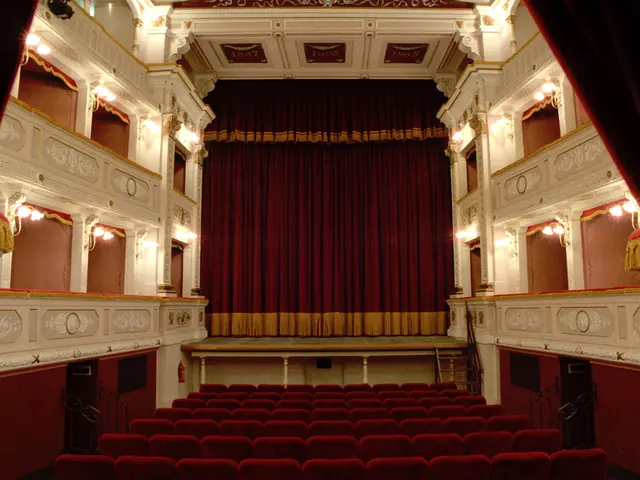 Municipal Theater (Caldarola)Theater or auditorium · Caldarola
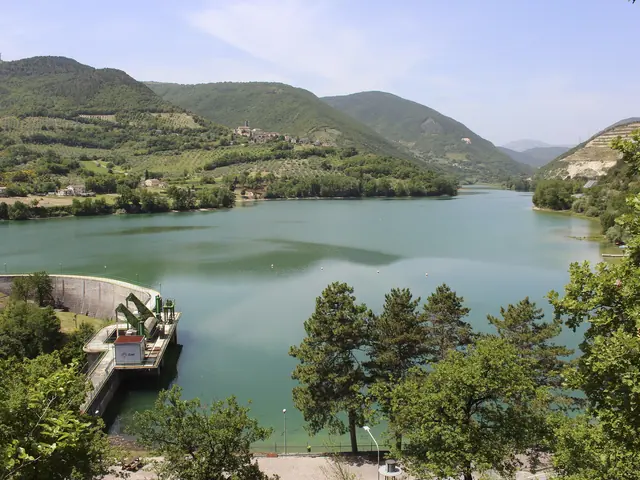 Lago di CaccamoLake · Caldarola
No results with these filters.
On the map
Points from the site database. Map © OpenStreetMap contributors · Protomaps.
Things to do in Caldarola: the map
The main sights in the center are a short distance from one another. The Collegiata di San Martino stands on the east side of Piazza Vittorio Emanuele II. The Santuario di Santa Maria del Monte is on the same square. From here four streets climb toward the castle, at right angles to the facade of the town hall. The church of Santi Gregorio e Valentino is on Via Pallotta.
The municipality extends beyond the main town. Its hamlets are Bistocco, Croce, Pievefavera, Valcimarra and Vestignano. The "Le vie dei castelli" (Castle Roads) itinerary has five stops: Castello Pallotta, Vestignano Castle, Castello di Croce, Castello di Pievefavera and Castello di Valcimarra. The route crosses hills and quiet trails.
Things to do in Caldarola: the sights not to miss
Castello Pallotta. This is the best-known monument in town. It was built in the second half of the 9th century on the slopes of the Colcù hill. Toward the end of the 16th century Cardinal Evangelista Pallotta turned it into a Renaissance-style summer residence, a sign of the prestige of a family that counted four cardinals. From 1240 to 1434 it belonged to the da Varano of Camerino, then passed to the Maurizi of Tolentino and then to the Pallotta, who have lived there since 1450.
The castle retains its walls, Guelph battlements, patrol walkways and drawbridge. In 1885 Count Desiderio Pallotta had restoration work carried out on the keep, the north tower, the Guelph battlements, the drawbridge and the patrol walkways. The rooms include a carriage hall, the saddlery, an armory and the royal apartments, with canvases, sculptures, frescoes and period furniture. Several rooms with wooden ceilings have a tall frieze by the Caldarola school of painting, that of the De Magistris. Some panels depict the arrival in town of Pope Clement VIII, who stayed at the castle in 1598. Other illustrious visitors included Cardinal Casimirro in 1644 and Queen Christina of Sweden in 1666. The castle park and the streets of the center have century-old trees.
As for its current state, it should be said clearly that the castle was severely damaged by the 2016 earthquake. The Torre del Cassero (keep tower) had already been damaged by the August 24 tremor. The October 30 tremor caused a dangerous twisting of the tower, which required complex consolidation work. Today the castle is temporarily closed for restoration work following the earthquake. The walls, walkways, drawbridge and battlements were nonetheless reported to be well preserved. The castle can therefore be seen mainly from the outside and from the town. Up-to-date checks are needed on whether the interior is open.
Collegiata di San Martino. Inaugurated in 1590 by a bull of Sixtus V and raised to the rank of distinguished collegiate church, this is the main church of Caldarola. With its bell tower it overlooks the whole town. The interior has three naves and a choir, and each side nave has three chapels. At the far end of the choir the high altar is framed by two fluted columns with Corinthian capitals. According to legend, they were brought to Rome from the Temple of Jerusalem and later moved to Caldarola by Cardinal Pallotta.
By 1594 the presbytery had been entirely decorated by Simone de Magistris, with paintings on canvas, frescoes and stucco work. The 1799 earthquake destroyed this work, and only drawings and records remain. Today the collegiate church is temporarily closed because of the 2016 earthquake. On the feast of the patron saint, November 11, 2016, firefighters recovered the works kept inside, among them the altarpiece of the "Transito di San Martino" (Passing of Saint Martin) by De Magistris.
Santuario di Santa Maria del Monte. The sanctuary stands on Piazza Vittorio Emanuele II, opposite the collegiate church. It was built between 1770 and 1780 on the site of a small 15th-century church linked to the Confraternity of the Madonna del Monte, founded by Blessed Francesco Piani da Caldarola in 1448. It was designed by Pietro Augustoni and is an example of late Baroque. The facade has three orders and a double pediment. The tall bell tower ends in a pyramid on a hexagonal base. The interior has a single nave with side chapels. The wall decoration and stucco work are very rich, especially around the high altar. This is where the sacred image of the Madonna del Monte is kept, a work by the San Severino painter Lorenzo d'Alessandro, made around 1491.
After the 1997 earthquake the sanctuary was closed as unsafe. Restoration then brought the stucco work back to light and returned the church to its original appearance, but after the 2016 earthquake the sanctuary is once again unsafe: it is best to check whether it is open before visiting.
Chiesa dei Santi Gregorio e Valentino. This is a single-nave building with side chapels and a presbytery. The high altar is in gilded polychrome wood and holds the canvas of the two patron saints. Cardinal Evangelista Pallotta had it built in the early years of the 17th century, possibly on the ruins of the church of San Gregorio della Vigna, founded by the Lombards toward the end of the 8th century.
Teatro Comunale. The municipal theater is one of the 23 historic theaters in the province of Macerata.
Museums and Pievefavera. Besides the churches and the castle, the town has two museums: the Museo civico L'Arte della Resistenza and the Museo di Arte Povera Contadina (museum of rural folk art), dedicated to Luigi Fagianella. Both are listed among the town's attractions together with the antiquarium and the village of Pievefavera.
Simone de Magistris. To understand the art of Caldarola, one name matters: that of a local painter. Simone de Magistris (1538-1613) was born here and is placed historically between Lorenzo Lotto and El Greco. He was rediscovered partly thanks to a major exhibition organized in 2007 by Vittorio Sgarbi.
Things to do in Caldarola: tips for your visit
The center is best explored on foot, and the most natural route starts from Piazza Vittorio Emanuele II. From there you can look at the facade of the collegiate church and the sanctuary, then climb one of the four streets up to the castle. The two Baroque churches face each other almost exactly across the main square.
The most useful tip concerns the condition of the buildings. The collegiate church and the castle suffered serious damage in the 2016 earthquake, and their interiors may not be accessible. Recently the reconstruction of the area's religious buildings was reported to be behind schedule: apart from the church of San Martino and the one in Vestignano, designers had not yet been appointed. Before planning the day, it is worth checking which sites are open.
With more time, visitors can explore the hamlets along "Le vie dei castelli" (Vestignano, Croce, Pievefavera and Valcimarra). Caldarola is also on the Via Lauretana. On the Assisi-Loreto route the path continues to Caldarola and then, via Belforte del Chienti, reaches Tolentino. In the 19th century, at the time of the Grand Tour, many French travelers chose Valcimarra as a place to rest.
The patron saint of Caldarola is Saint Martin, and his feast falls on November 11. Those who want to stay several days can consult the pages on where to stay, where to eat and the local specialties of the town.