


Things to do in Norcia: sights and visiting tips
Photo: Hagai Agmon-Snir حچاي اچمون-سنير חגי אגמון-שניר / CC BY-SA 4.0 / Wikimedia Commons
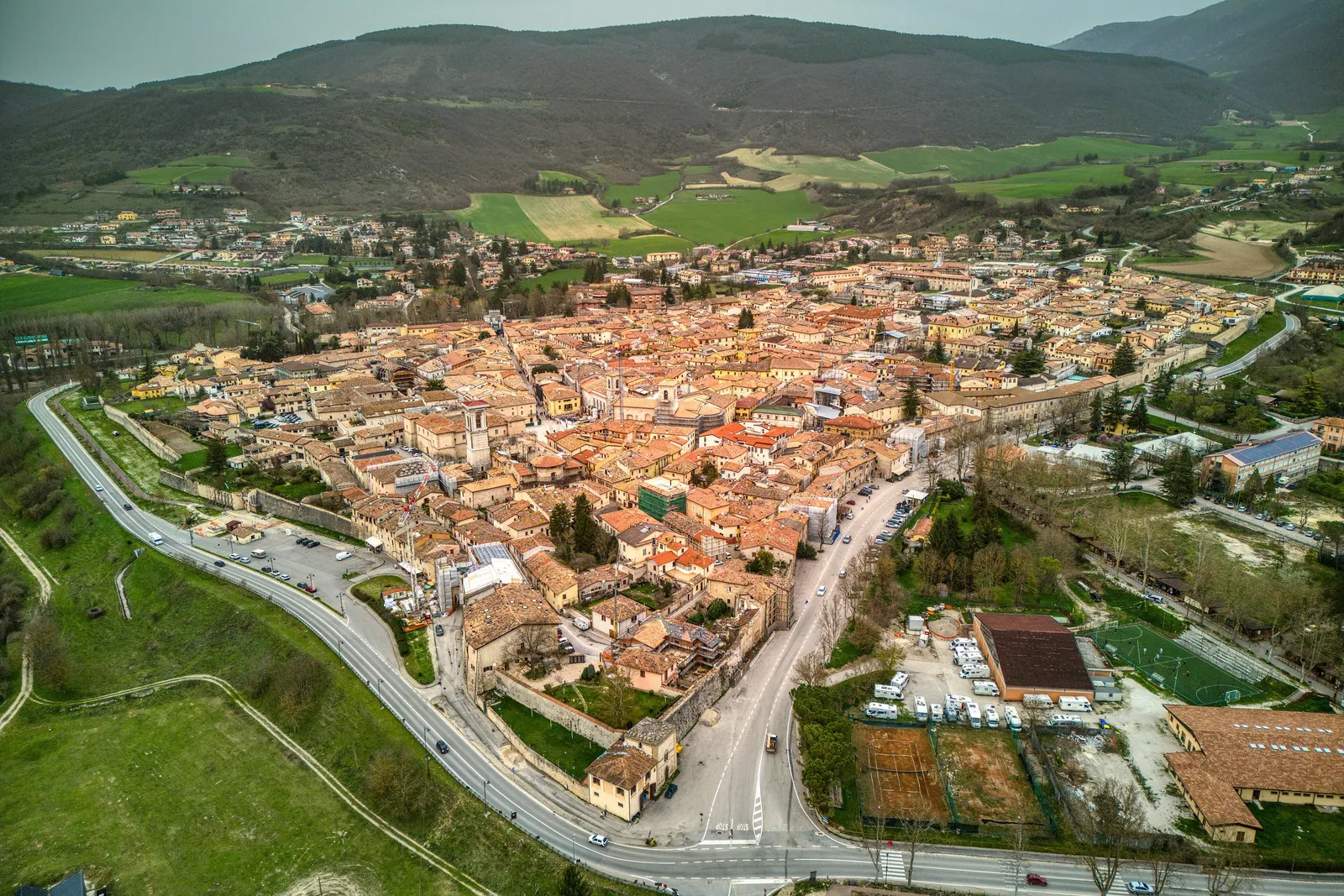
The things to see and do in Norcia today also depend on the state of the reconstruction work. The birthplace of Saint Benedict, patron saint of Europe, lies at about 600 meters above sea level, on a wide plain on the western side of the Sibillini Mountains. The historic center is enclosed by 13th-century walls with a heart-shaped plan, pierced by seven gates. The earthquake of October 30, 2016, of magnitude 6.5, hit the center hard: of the Basilica of San Benedetto in Norcia only the facade remained standing, protected for years by a steel cage.
Almost ten years later the situation has changed a great deal. The basilica reopened on October 30 and 31, 2025, the Palazzo Comunale was inaugurated on April 19, 2026 and the Civic Theater resumed activity on May 24, 2026. Other landmark sites, such as the Castellina with its museum and the Co-Cathedral of Santa Maria Argentea, are still being restored. Outside the walls the municipality climbs up to Castelluccio, a hamlet at 1,452 meters that overlooks the Pian Grande, the plateau of the flowering and of the IGP lentil.
The places
18 results
 Basilica of San Benedetto in NorciaChurch · Norcia
 Castelfranco (Norcia)Castle or fortress · Norcia
- Ruins or archaeological siteBiselli Castle (Norcia)Ruins or archaeological site · Norcia
- Ruins or archaeological siteOnde Castle (Norcia)Ruins or archaeological site · Norcia
 Church of Madonna Bianca (Norcia)Church · Norcia
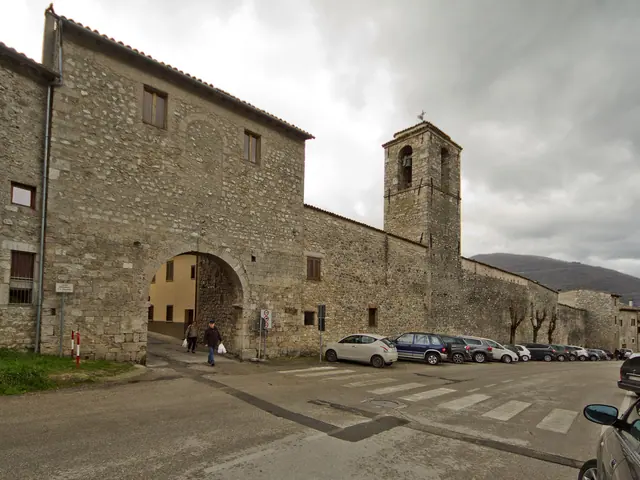 Church of San Giovanni (Norcia)Church · Norcia
- ChurchChurch of San Vito (Norcia)Church · Norcia
- ChurchChurch of San Michele Arcangelo in Norcia (Savelli)Church · Norcia
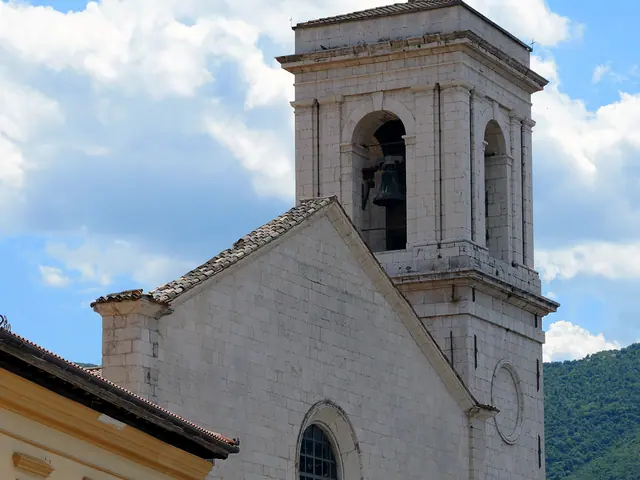 Co-Cathedral of Santa Maria Argentea in NorciaChurch · Norcia
- Ruins or archaeological siteHermitage of Sant’Egidio in NorciaRuins or archaeological site · Norcia
- Ruins or archaeological siteAronne Mill (Norcia)Ruins or archaeological site · Norcia
- Castle or fortressCastellina Museum (Norcia)Castle or fortress · Norcia
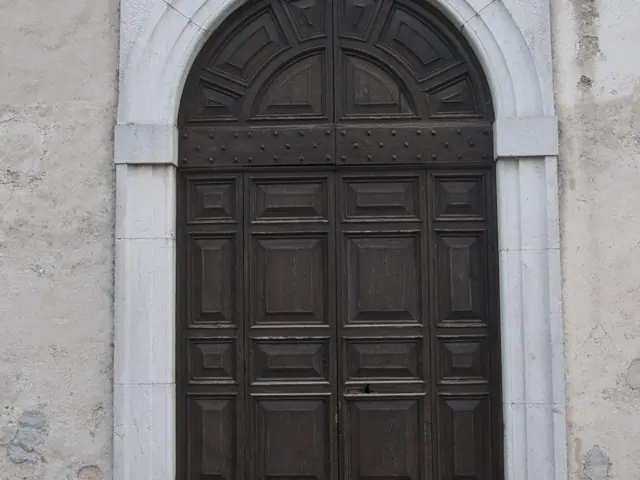 Sant'Antonio (Campi, Norcia)Church · Norcia
- ChurchSan Pellegrino (Norcia)Church · Norcia
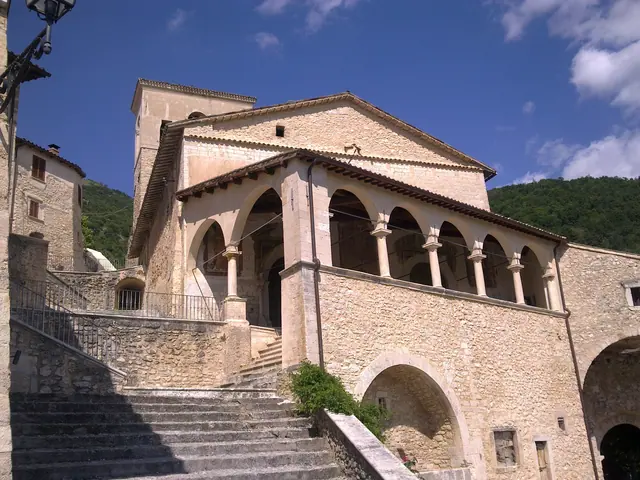 Sant'Andrea in Norcia (Campi)Church · Norcia
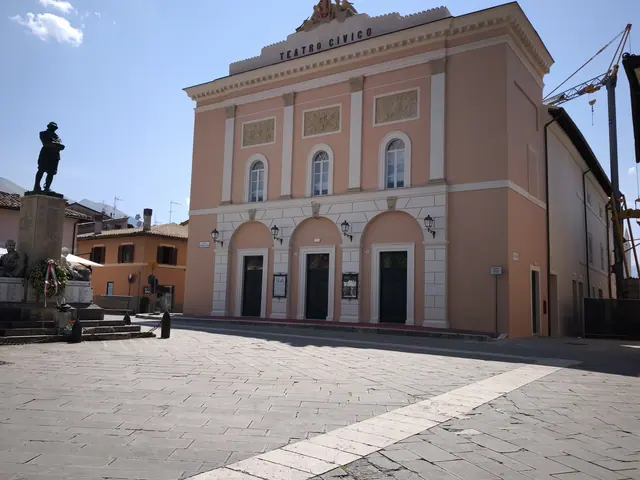 Civic Theater (Norcia)Theater or auditorium · Norcia
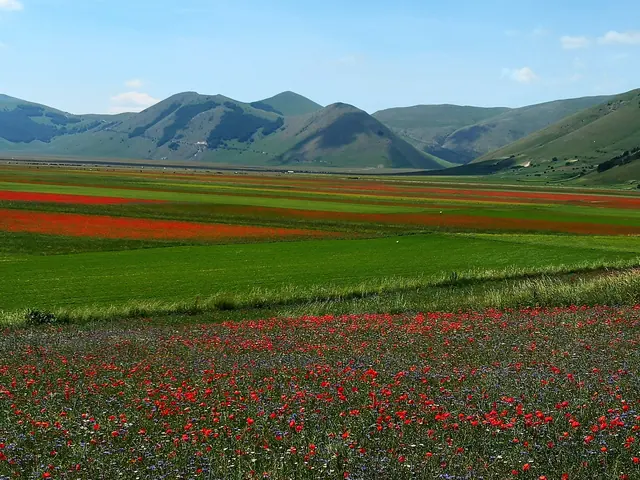 Piano Grande di CastelluccioGuide
- Pian PiccoloGuide
No results with these filters.
On the map
Points from the site database. Map © OpenStreetMap contributors · Protomaps.
Things to do in Norcia: finding your way around
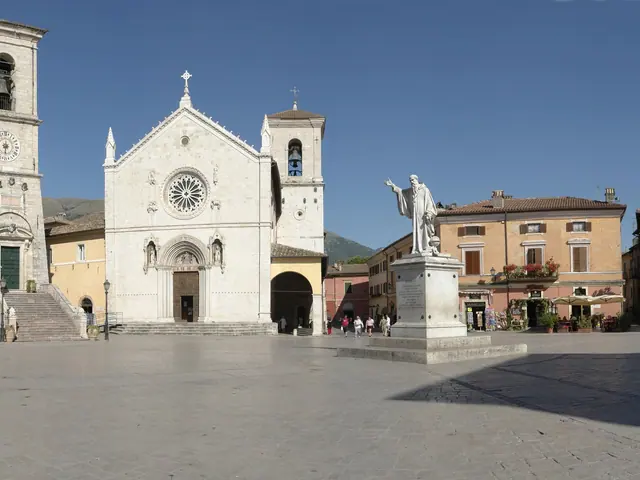
Almost all of Norcia's main monuments are inside the walls and can be reached on foot from Piazza San Benedetto. This is the main square of the historic center, and the most important buildings face onto it. In the middle stands the statue of the patron saint, with the Basilica di San Benedetto behind it. On one side rises the Castellina, on the opposite side the Palazzo Comunale, while the Concattedrale di Santa Maria Argentea occupies the south-west side of the square.
The southern part of town centers on Porta Ascolana, next to which is the Roman cryptoporticus. The Teatro Civico is also in the historic center. Along the walls, the seven gates were once the entrances to the seven small districts into which the town was divided. In the San Lorenzo stretch, several Roman remains can be seen built into the walls.
Outside the center the horizon changes completely. East of the town lies the Castelluccio plateau, made up of three plains: the Pian Grande, the Pian Piccolo and the Pian Perduto. Above them rises Monte Vettore, the highest peak of the Sibillini at 2,476 meters. The village of Castelluccio looks down over the Pian Grande.
Things to do in Norcia: the main sights
Basilica di San Benedetto. It is the town's landmark and the first stop on almost every visit. The Basilica di San Benedetto in Norcia has a gabled facade with a large central rose window. Outside there is a portico where the market was once held and where the old weights and measures are displayed. Beneath the basilica are remains identified as the house where Benedict and his sister Saint Scholastica were born, in the 5th century. The 2016 earthquake destroyed about 80% of the building. The reconstruction, which began at the end of 2021, recovered and catalogued the rubble in order to reuse the original material together with modern anti-seismic techniques. The destroyed roof was rebuilt in pleated wood, and during the works frescoes hidden in the collapsed walls came to light. In the crypt, the floor, smashed by the collapse of the bell tower, was lifted and relaid stone by stone. The basilica was given back to the town on October 30 and 31, 2025.
Palazzo Comunale. On the same square, the Palazzo Comunale (town hall) has medieval origins and is recognizable by its loggia, staircase and bell tower. The earthquake of October 30, 2016 had badly damaged it. The restoration, completed with the inauguration of April 19, 2026, set the building on 67 seismic isolators at its base. Inside, the town council chamber, decorated with so-called "succhi d'erba" (paintings in plant-based pigments), and several 18th-century canvases were recovered.
The Castellina and the Museo Civico e Diocesano. The Castellina is the bastioned fortress that closes one side of Piazza San Benedetto. It was built in 1554 to a design by Jacopo Barozzi, known as Vignola, at the behest of Pope Julius III, as a fortified residence for the apostolic governors. It houses the Castellina Museum in Norcia, with works of art owned by the Church and the town dating from the 12th to the 18th century, the Massenzi collection and the permanent archaeological exhibition "Partire per l'aldilà" (Departing for the Afterlife). Among the best-known pieces are an early 15th-century Annunciata attributed to Jacopo della Quercia and the Virgin of the Annunciation with the Angel in painted terracotta by Andrea and Luca della Robbia (1510). The Castellina withstood the quakes of October 2016 but was declared unsafe and has been closed ever since. In November 2016 firefighters carried out paintings, sculptures and artifacts. At the end of 2025 restoration and seismic upgrading work was under way. The reopening has been announced, but the museum cannot be visited today.
Concattedrale di Santa Maria Argentea. Norcia's cathedral is the second most important church after the Basilica di San Benedetto. It was built in the second half of the 16th century and altered in the 18th century and in the mid-19th century. In 2016 the roof, rebuilt in reinforced concrete in the 1960s, collapsed and brought down part of the side walls and the pillars between the aisles. The reconstruction site opened on September 7, 2024, and the project follows the original lines of the church. At present the Concattedrale di Santa Maria Argentea is still being rebuilt and has not reopened.
Teatro Civico. Closed for years after the 2016 earthquake, Norcia's Teatro Civico reopened on May 24, 2026 with the play "Lu Santo Jullàre Françesco" by Dario Fo and Franca Rame. The work, funded through the Art Bonus thanks to a donation from the Cucinelli family, covered the seismic strengthening of the building, the restoration of plaster and finishes in their original colors and the acoustic treatment of the stalls and gallery.
Roman cryptoporticus of Porta Ascolana. This is the most tangible trace of Roman Nursia. The cryptoporticus is an underground structure built in the second half of the 1st century BC to provide a covered passage in the forum area. An L-shaped section survives, with walls in opus incertum, air vents and drains for rainwater from the portico above. The building that encloses it houses a permanent archaeological exhibition with finds from the 2000 excavations at Campo Boario. The display documents a hut village of the 9th-8th century BC and a necropolis of the 6th-3rd century BC, with tombs of high-ranking people buried with grave goods in pottery, iron and bronze. The collection is completed by funerary stelae, milestones and two Neo-Attic cippi with Dionysian scenes. Today the exhibition is not regularly open to the public.
The walls and gates. Norcia's walls have survived many earthquakes over the centuries and still surround the historic center. Walking around the gates, including Porta Romana and Porta Ascolana, both affected by the reconstruction works, is a good way to understand the shape of the town.
San Francesco and Sant'Agostino. The Gothic monumental complex of San Francesco houses the auditorium, the town library and the historic archive. The complex is also known for the altarpiece of the Coronation of the Virgin by Jacopo Siculo. The church of Sant'Agostino is also Gothic: recently it was among the churches of Norcia still awaiting restoration.
Castelluccio and the Pian Grande. The hamlet of Castelluccio, at 1,452 meters, owes its origins to the expansion of Norcia's territory in the 13th century. The village still bears the marks of the 2016 earthquake. From the village the view sweeps over the Pian Grande, a karst plain about 7 km long and on average 3 km wide. Between late May and mid-July the plain is colored by the flowering of the Castelluccio lentils IGP, grown without herbicides alongside dozens of wild species, including poppies, cornflowers and narcissi. Each species flowers at a different time, so the landscape changes from week to week. How to get there and when to go are explained on the Piano Grande di Castelluccio page.
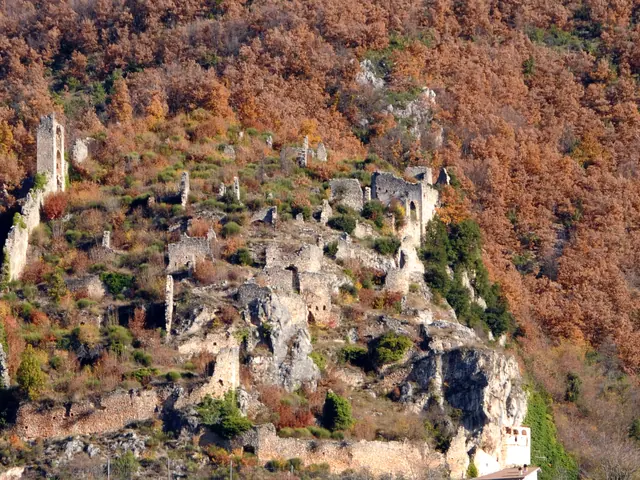
Other places in the area. The municipality of Norcia is large and includes churches, castles and hermitages outside the town, such as the Eremo di Sant'Egidio, the Biselli Castle, the Onde Castle and Castelfranco, each with its own page. For a broader overview, including outdoor activities, see the page Norcia: what to see and do.
Things to do in Norcia: tips for the visit
Before setting off, keep in mind that Norcia is a town under reconstruction. Many monuments have reopened recently, others are still building sites. Recently several buildings in the center were still propped up by scaffolding, and things can change from one month to the next. So before planning the day around a museum or a church, it is useful to check whether it is accessible at that moment. This applies above all to the Castellina, Santa Maria Argentea and the cryptoporticus.
Those who want to see the works of the Museo della Castellina should know that, after the earthquake, many of Norcia's cultural treasures were moved to the Santo Chiodo storage facility in Spoleto, waiting to return to the town when the museum reopens.
The historic center needs only a stroll: Piazza San Benedetto, the basilica, the Palazzo Comunale and the walls are close to one another and can be seen without hurry. Going up to Castelluccio for the flowering is a different experience. On the days of peak flowering the plateau fills with visitors. To see the fields up close, walk along the strips of earth between the crops, without trampling the plants. The weather also matters a lot: in 2026, drought and early heat ruined many species, leaving room almost only for the red of the poppies, and also damaged the lentils. Anyone heading into the mountains, toward Monte Vettore or along the Park trails, should check the forecast and set out well equipped.
Norcia is also a food destination: pork and wild boar cured meats and lentils are part of the town's identity. Shops and products are gathered on the page Norcia food: norcinerie and local products. For a stay of several days, the list of accommodation is on the page where to stay in Norcia.