


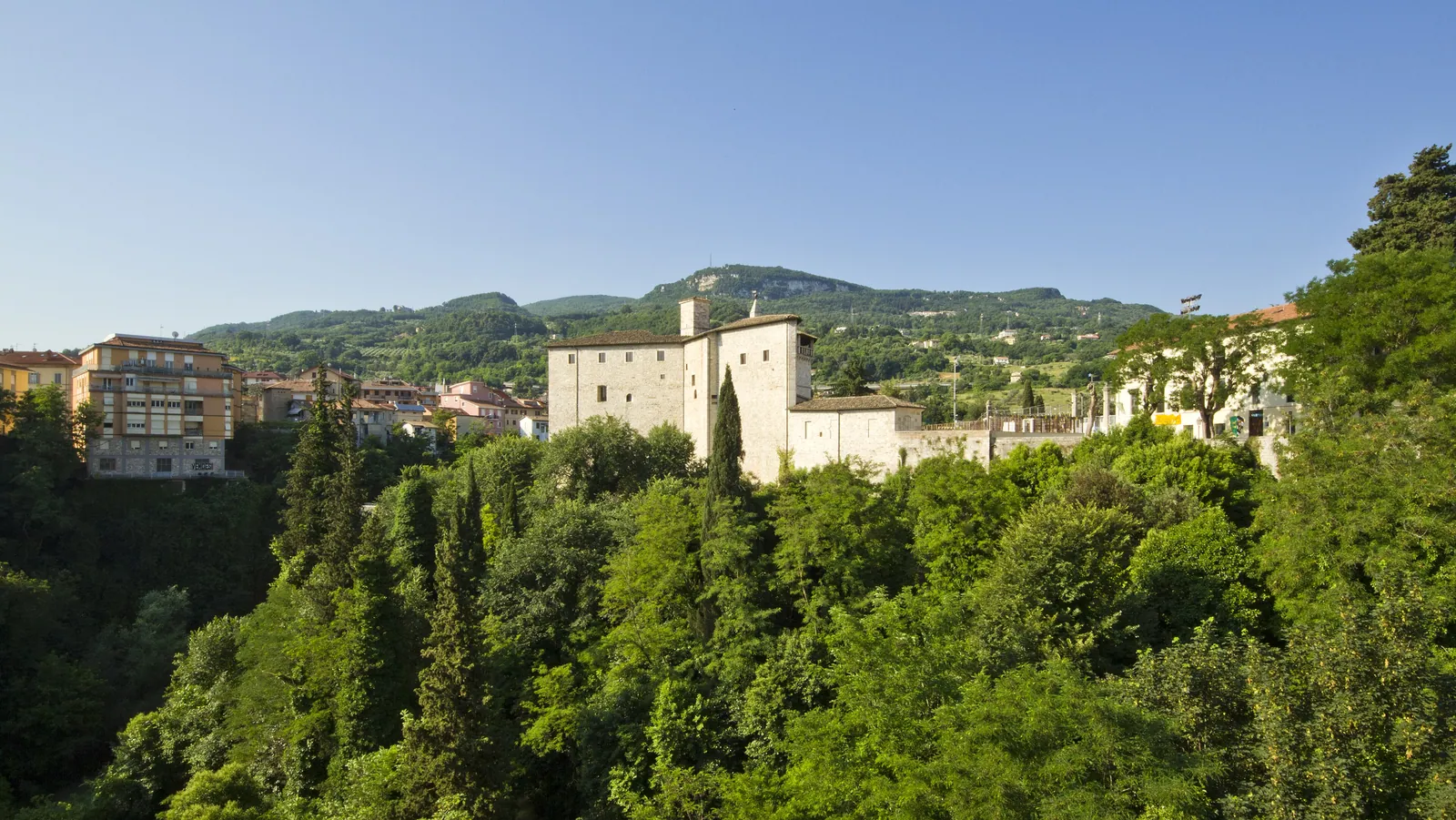
Things to Do in Ascoli Piceno
When deciding on things to do in Ascoli Piceno, the place to start is the stone: the historic center is built almost entirely of travertine, which covers churches, palazzi and squares. Its noble family towers and bell towers have earned the city the nickname "city of a hundred towers". Proverbs and phrases, about a hundred in all, are carved on the lintels of many houses in the center.
Within a few minutes' walk of each other are the Roman gate and bridges of the Via Salaria, the Romanesque churches, a 16th-century fortress and the great Renaissance squares. The historic center of Ascoli Piceno is a limited traffic zone (ZTL). It is compact and easy to explore on foot.
Places to stay
86 results
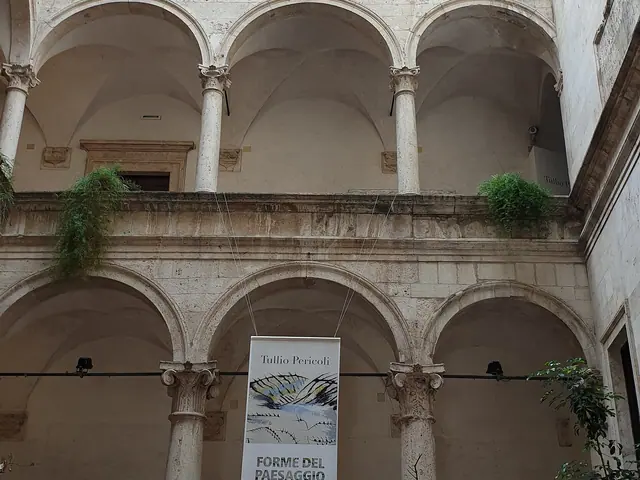 Palace of the Captains of the PeopleCastle or fortress · Ascoli Piceno · under 100 m from the center
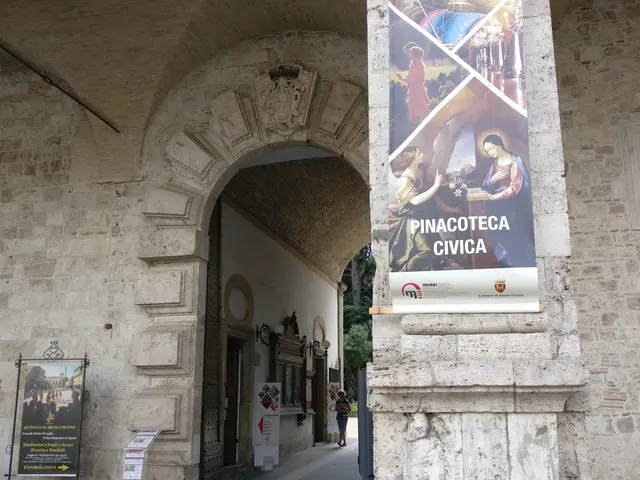 Civic Art GalleryMuseum or art gallery · Ascoli Piceno · 100 m from the center
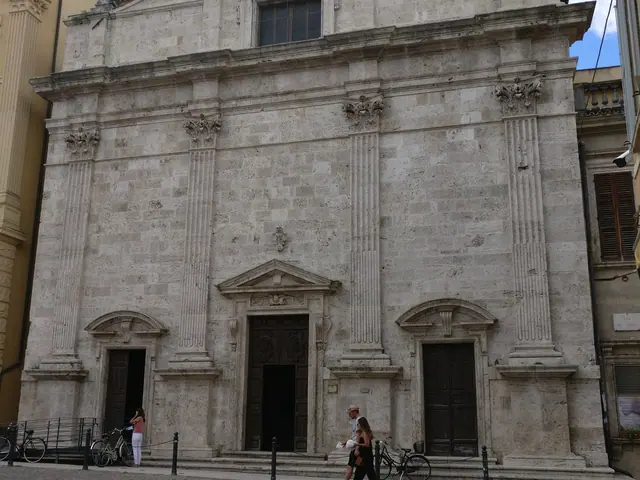 Church of Santa Maria della Carità (Ascoli Piceno)Church · Ascoli Piceno · 100 m from the center
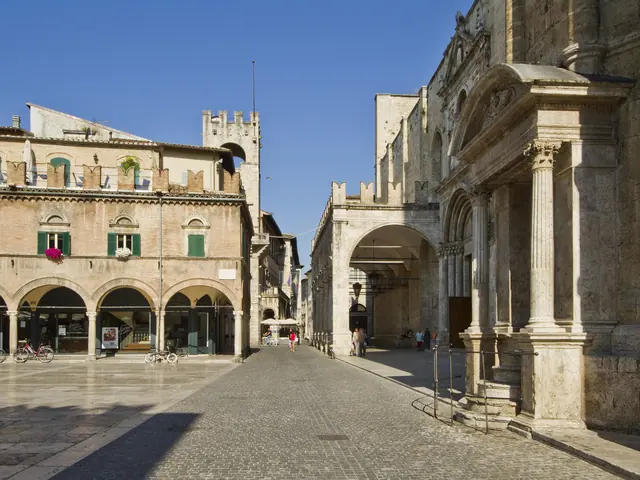 Lazzaro Morelli AediculeWayside shrine · Ascoli Piceno · 100 m from the center
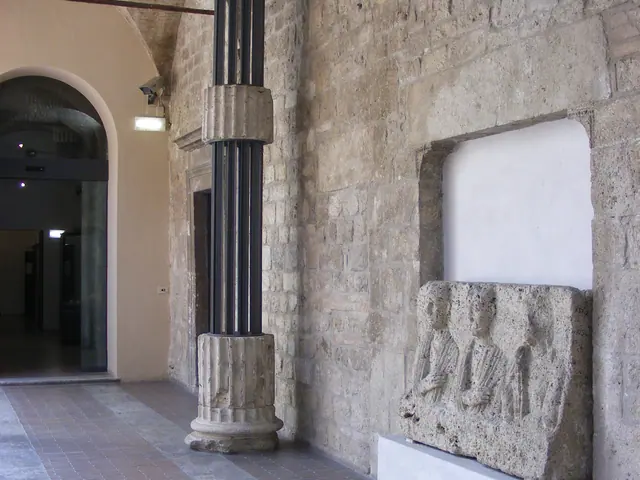 National Archaeological Museum of Ascoli PicenoMuseum or art gallery · Ascoli Piceno · 100 m from the center
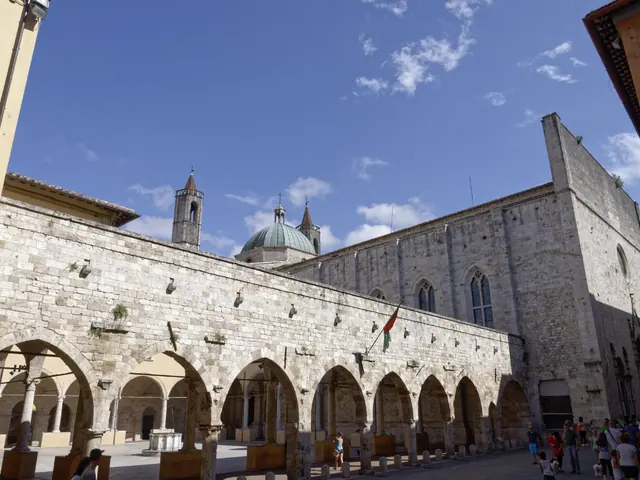 Great Cloister of San Francesco (Ascoli Piceno)Monastery or abbey · Ascoli Piceno · 200 m from the center
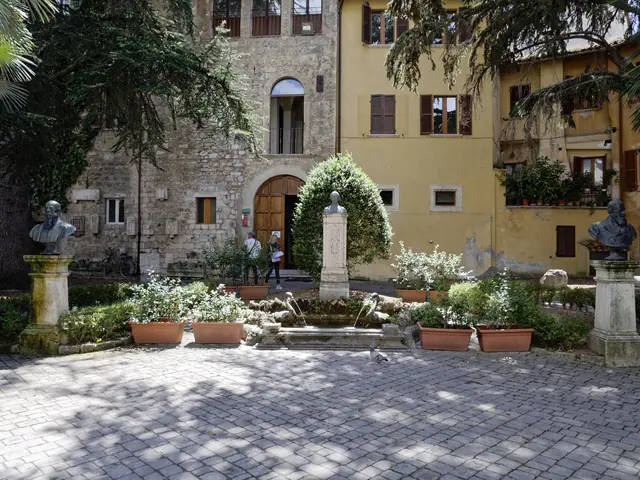 Diocesan MuseumMuseum or art gallery · Ascoli Piceno · 200 m from the center
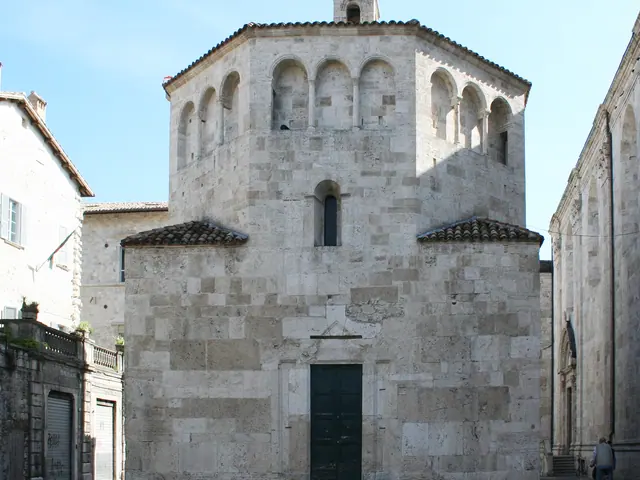 Baptistery of San GiovanniChurch · Ascoli Piceno · 200 m from the center
- ChurchChurch of San Gregorio Magno (Ascoli Piceno)Church · Ascoli Piceno · 200 m from the center
- Ruins or archaeological siteDecumanus Maximus (Ascoli Piceno)Ruins or archaeological site · Ascoli Piceno · 200 m from the center
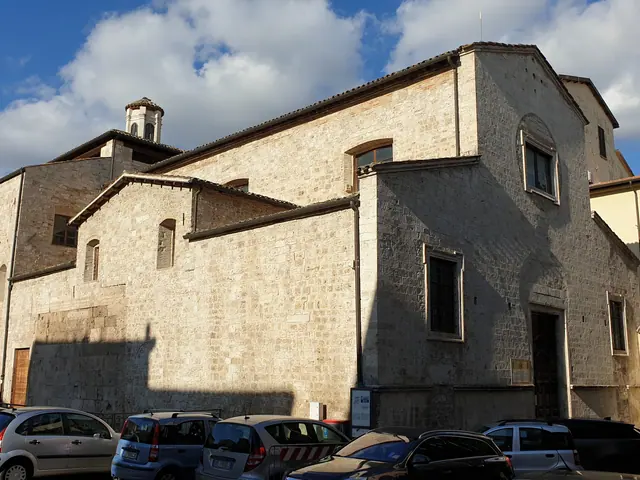 Church of San Venanzio (Ascoli Piceno)Church · Ascoli Piceno · 200 m from the center
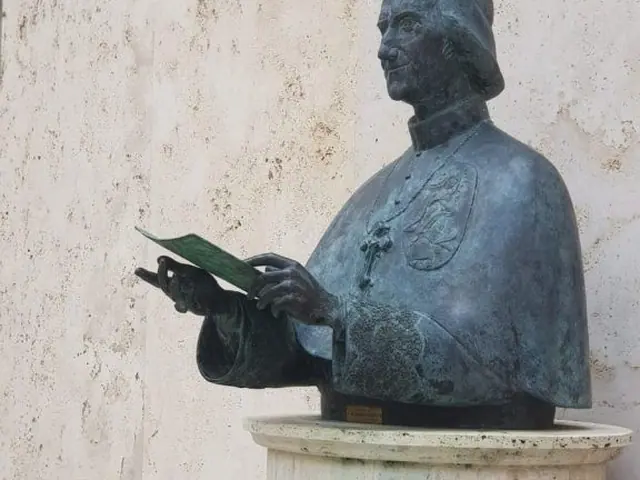 Bust of the Venerable Francesco Antonio MarcucciMonument or memorial · Ascoli Piceno · 200 m from the center
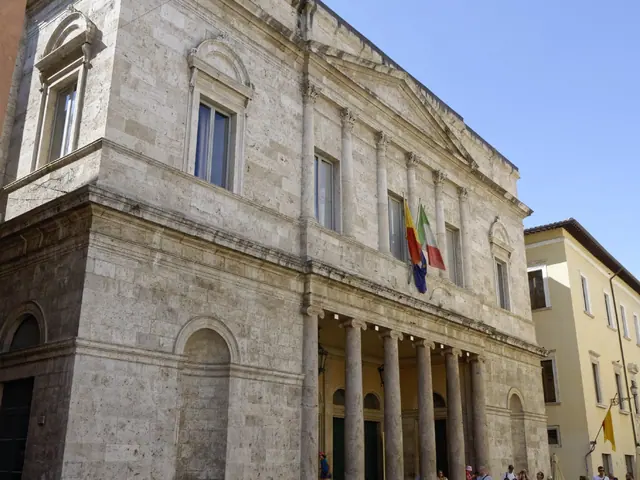 Ventidio Basso Theater (Ascoli Piceno)Theater or auditorium · Ascoli Piceno · 200 m from the center
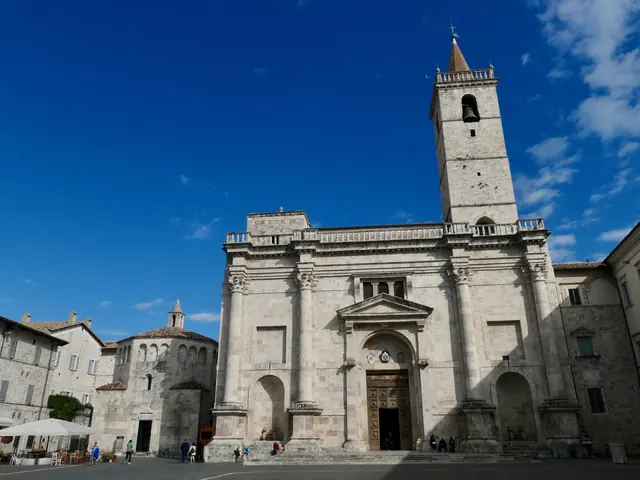 Cathedral of Sant'EmidioChurch · Ascoli Piceno · 200 m from the center
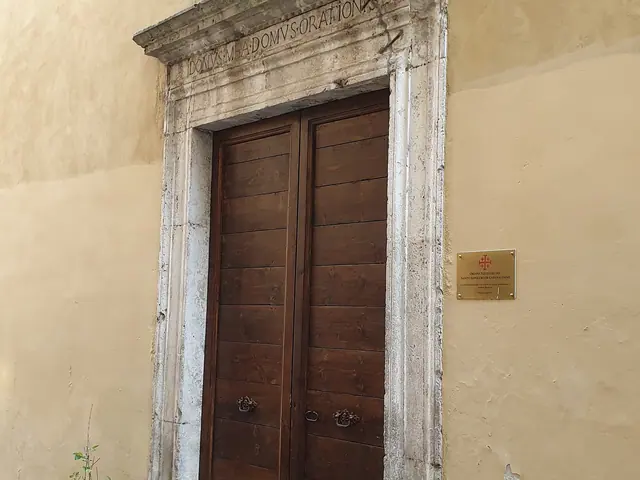 Church of San Cristoforo (Ascoli Piceno)Church · Ascoli Piceno · 300 m from the center
- Theater or auditoriumAuditorium Mons. Silvano Montevecchi, Ascoli PicenoTheater or auditorium · Ascoli Piceno · 300 m from the center
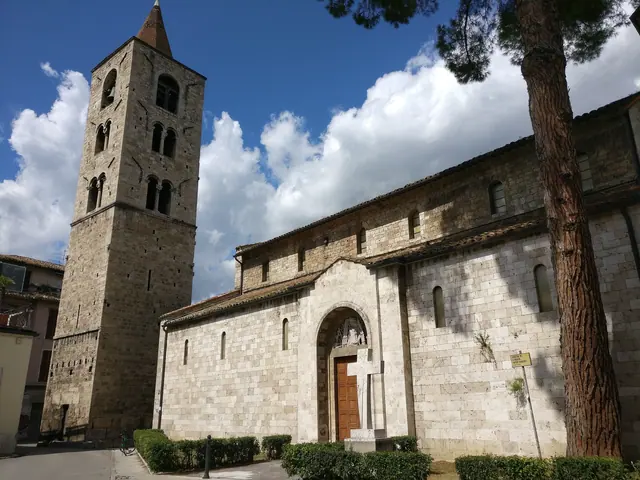 Church of Santa Maria Intervineas (Ascoli Piceno)Church · Ascoli Piceno · 300 m from the center
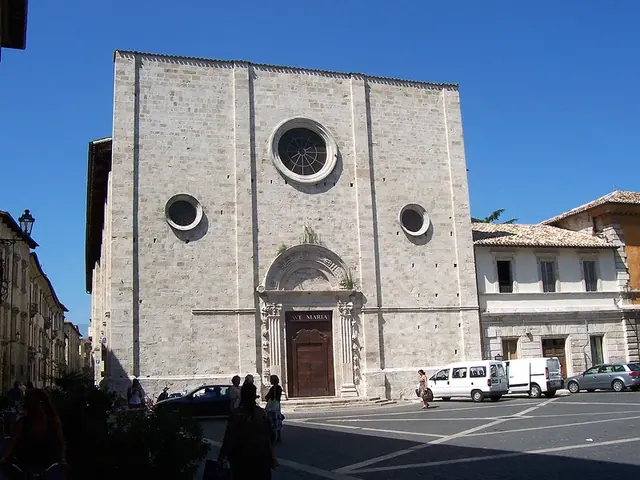 Church of Sant'Agostino (Ascoli Piceno)Church · Ascoli Piceno · 300 m from the center
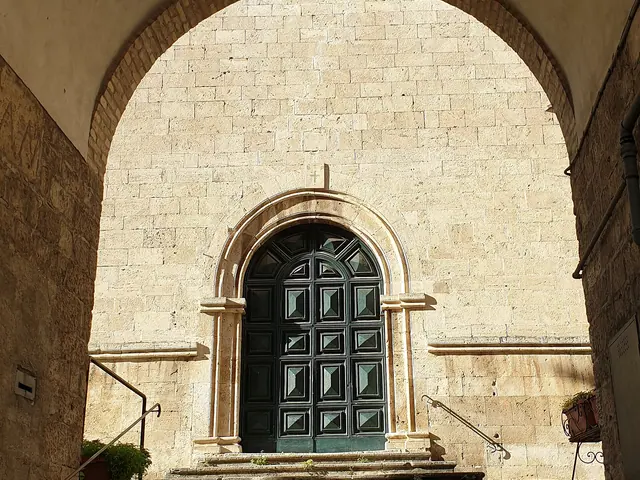 Church of Sant'Angelo Magno (Ascoli Piceno)Church · Ascoli Piceno · 300 m from the center
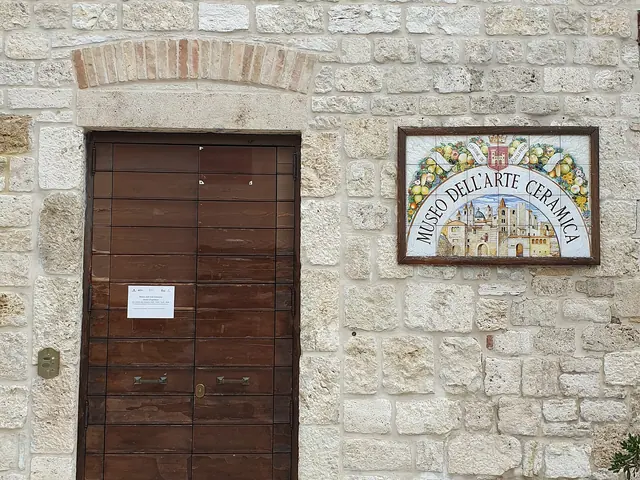 Osvaldo Licini Gallery of Contemporary ArtMuseum or art gallery · Ascoli Piceno · 300 m from the center
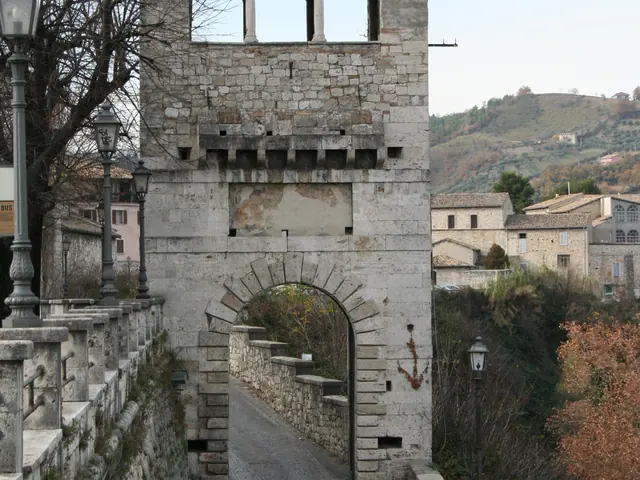 Porta Tufilla, Ascoli PicenoCity walls and gates · Ascoli Piceno · 400 m from the center
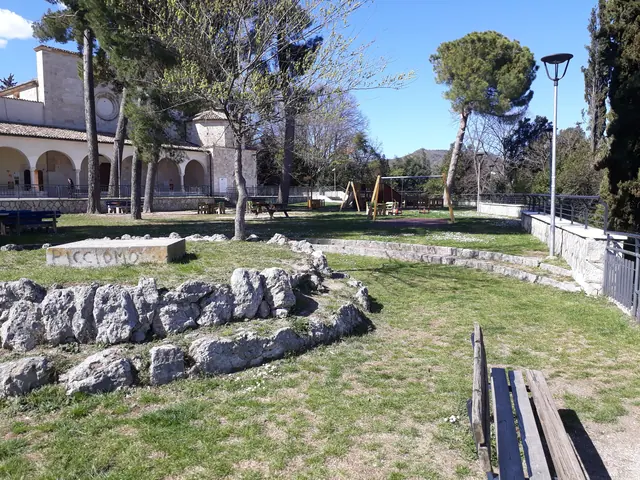 Annunziata CavesRuins or archaeological site · Ascoli Piceno · 400 m from the center
- Theater or auditoriumFilarmonici Theater (Ascoli Piceno)Theater or auditorium · Ascoli Piceno · 400 m from the center
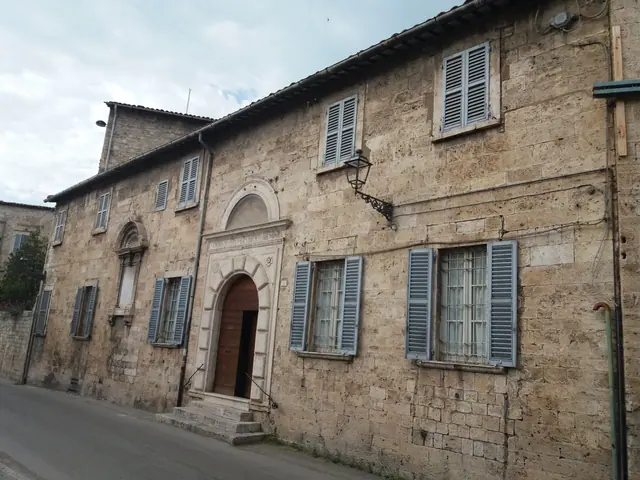 Church of Sant'Onofrio (Ascoli Piceno)Church · Ascoli Piceno · 400 m from the center
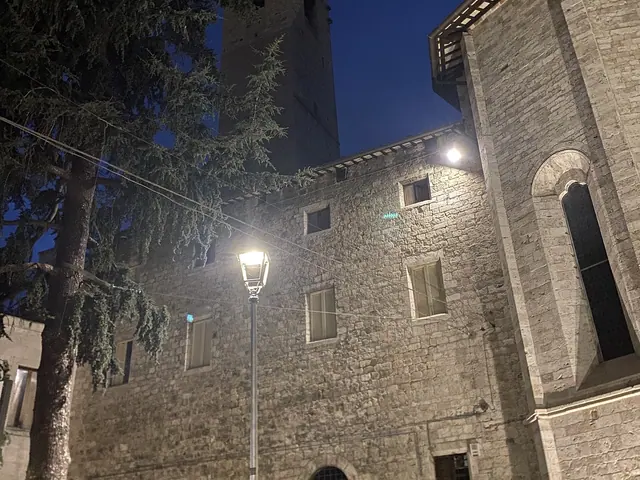 Church of San Pietro Martire (Ascoli Piceno)Church · Ascoli Piceno · 400 m from the center
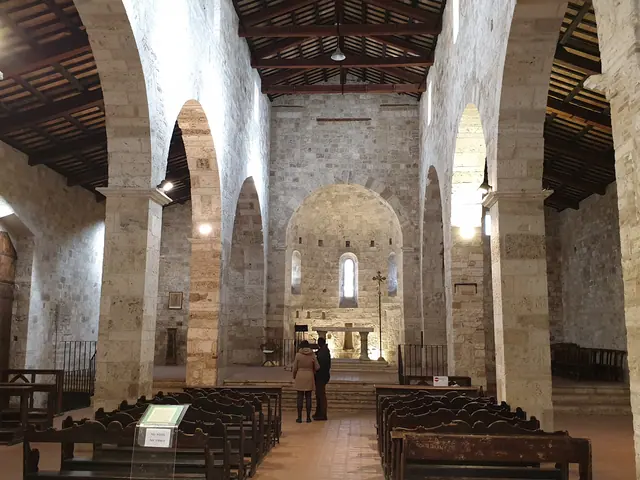 Church of Santi Vincenzo e AnastasioChurch · Ascoli Piceno · 400 m from the center
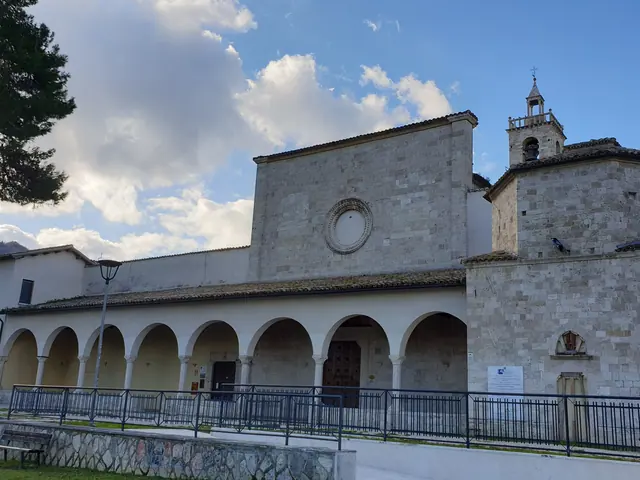 Church and Convent of the Santissima Annunziata (Ascoli Piceno)Church · Ascoli Piceno · 400 m from the center
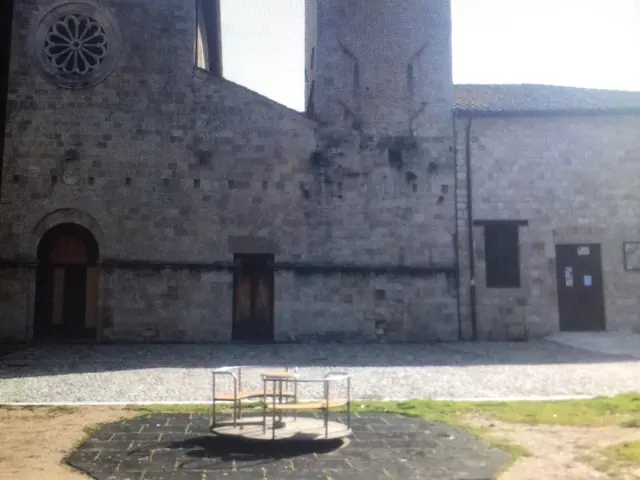 Church of San Tommaso (Ascoli Piceno)Church · Ascoli Piceno · 400 m from the center
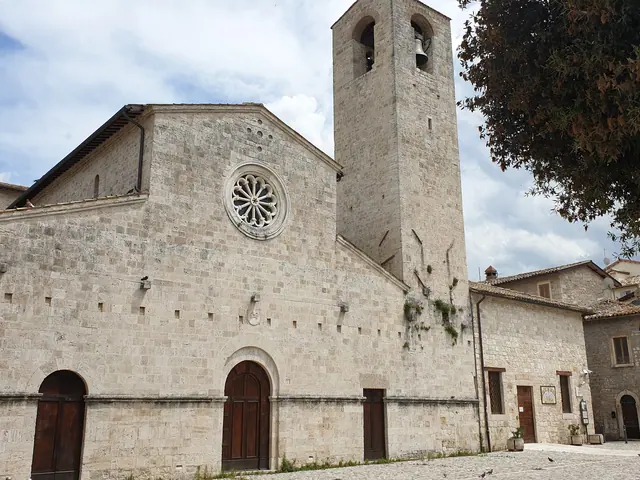 Museum of Ceramic ArtMuseum or art gallery · Ascoli Piceno · 400 m from the center
- Museum or art galleryPimu Picenworld Museum, Ascoli PicenoMuseum or art gallery · Ascoli Piceno · 500 m from the center
- Castle or fortressNoble Family Tower (Ascoli Piceno)Castle or fortress · Ascoli Piceno · 500 m from the center
- Ruins or archaeological siteRoman AmphitheaterRuins or archaeological site · Ascoli Piceno · 500 m from the center
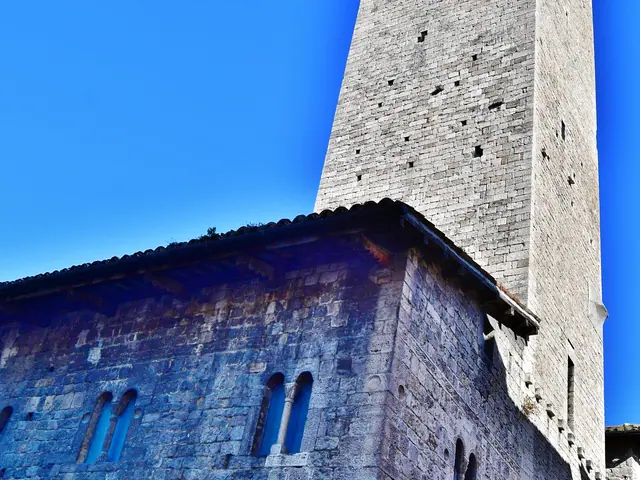 Ercolani Tower (Ascoli Piceno)Castle or fortress · Ascoli Piceno · 500 m from the center
- Museum or art galleryFrancesco Antonio Marcucci Museum and LibraryMuseum or art gallery · Ascoli Piceno · 500 m from the center
- ChurchChurch of Immacolata ConcezioneChurch · Ascoli Piceno · 500 m from the center
- ChurchChurch of Santa Maria del Buon Consiglio (Ascoli Piceno)Church · Ascoli Piceno · 500 m from the center
- Castle or fortressNovelli Tower (Ascoli Piceno)Castle or fortress · Ascoli Piceno · 600 m from the center
- ChurchChurch of Sant'Andrea Apostolo (Ascoli Piceno)Church · Ascoli Piceno · 600 m from the center
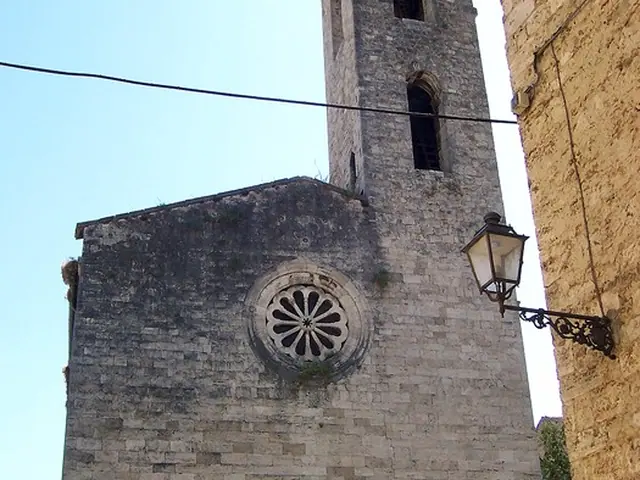 Church of San Giacomo Apostolo (Ascoli Piceno)Church · Ascoli Piceno · 600 m from the center
- City walls and gatesPorta Solestà, Ascoli PicenoCity walls and gates · Ascoli Piceno · 600 m from the center
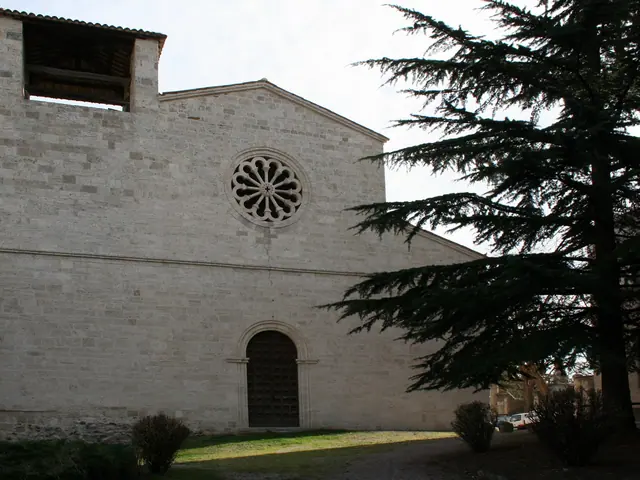 Church of San Vittore (Ascoli Piceno)Church · Ascoli Piceno · 600 m from the center
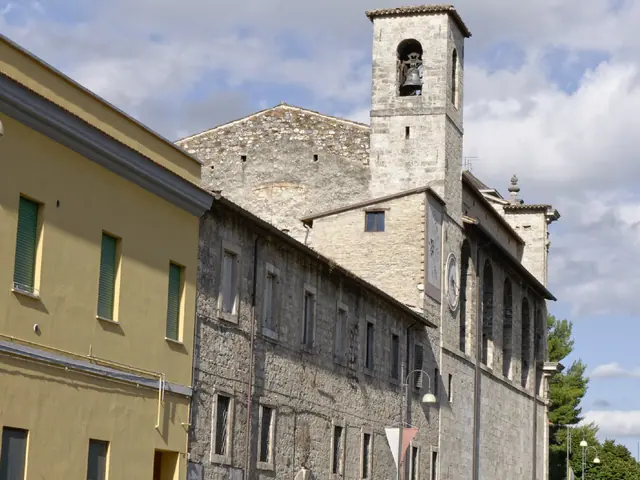 Church of Santa Maria del Carmine (Ascoli Piceno)Church · Ascoli Piceno · 600 m from the center
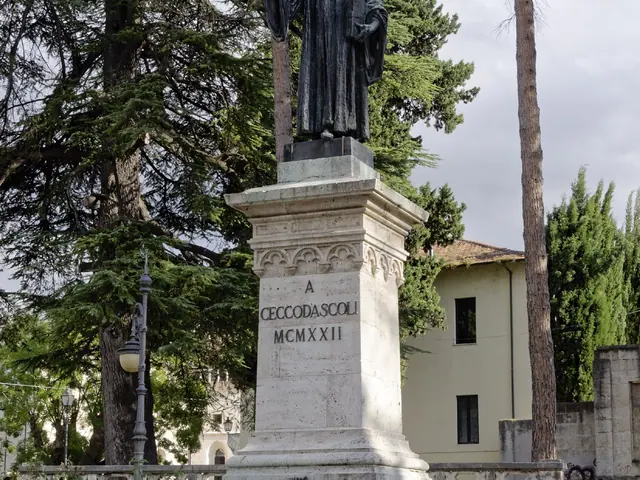 Monument to Cecco d'AscoliMonument or memorial · Ascoli Piceno · 700 m from the center
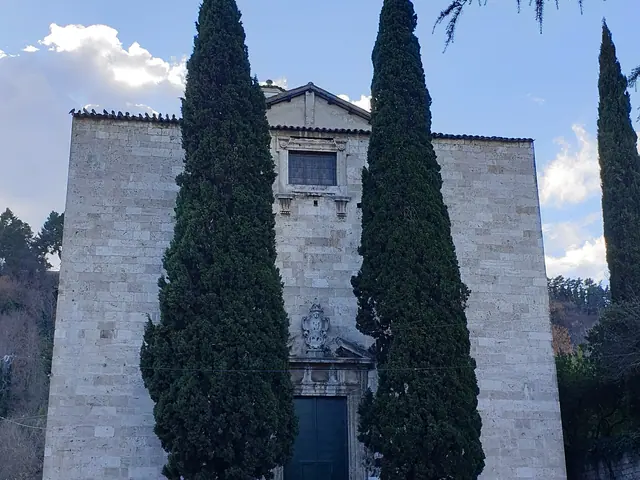 Church of Santissimo Crocifisso dell'IconaChurch · Ascoli Piceno · 700 m from the center
- Theater or auditoriumAuditorium San Leonardo, Ascoli PicenoTheater or auditorium · Ascoli Piceno · 700 m from the center
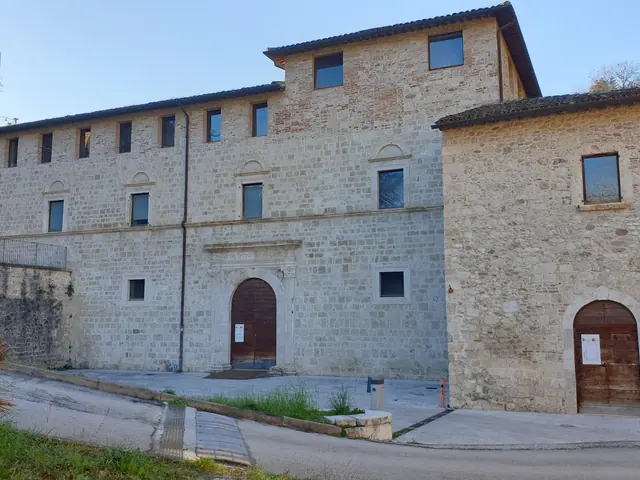 Papal Paper Mill MuseumsMuseum or art gallery · Ascoli Piceno · 700 m from the center
 Church of Sacro CuoreChurch · Ascoli Piceno · 700 m from the center
- Castle or fortressPia FortressCastle or fortress · Ascoli Piceno · 700 m from the center
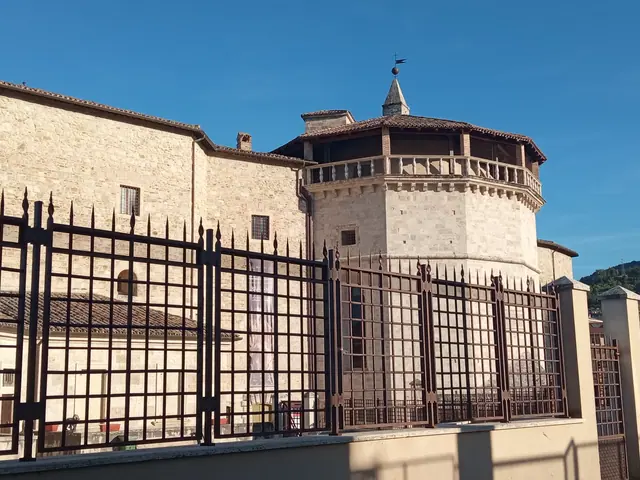 Malatesta Fort in Ascoli PicenoCastle or fortress · Ascoli Piceno · 800 m from the center
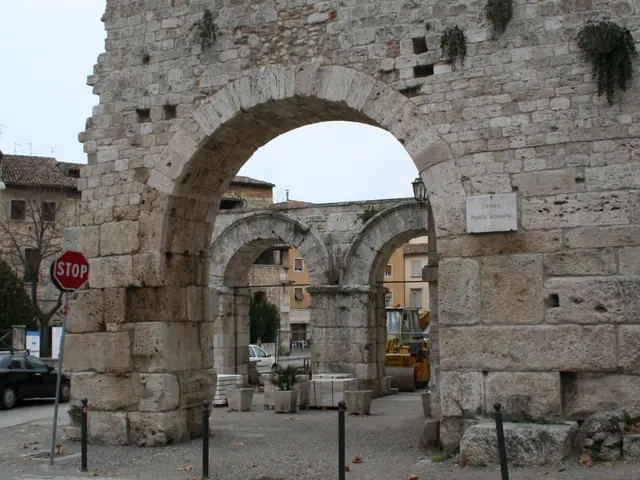 Porta Romana, Ascoli PicenoCastle or fortress · Ascoli Piceno · 800 m from the center
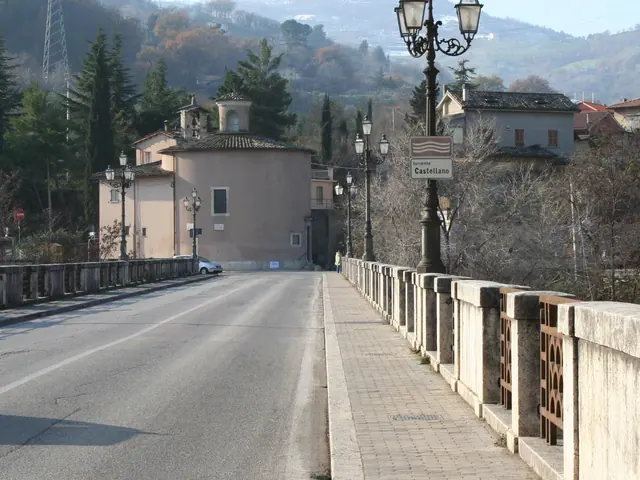 Church of Madonna del PonteChurch · Ascoli Piceno · 800 m from the center
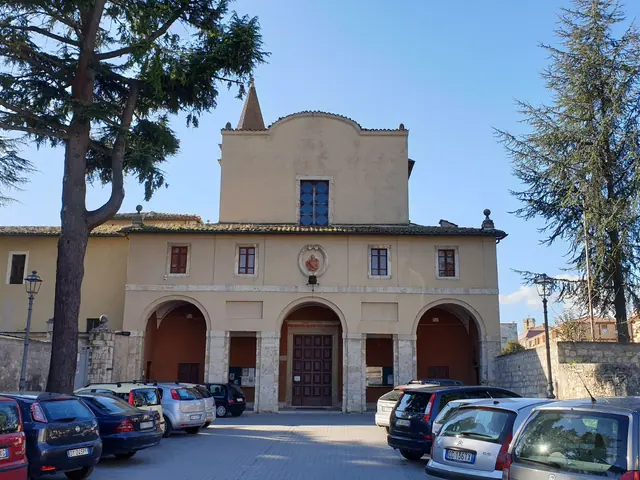 Church of San Serafino da Montegranaro (Ascoli Piceno)Church · Ascoli Piceno · 800 m from the center
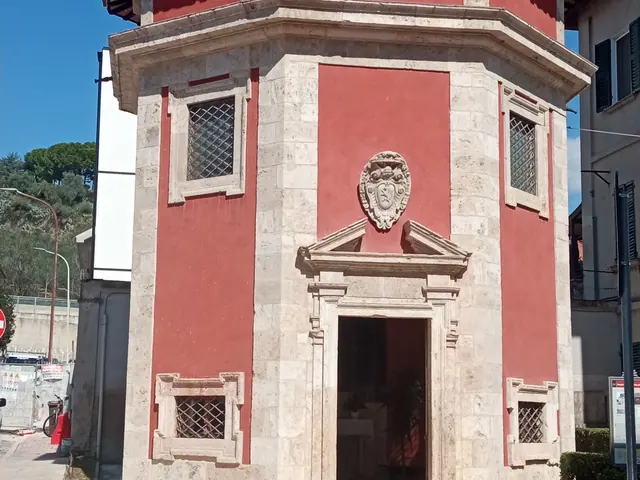 Small Temple of Sant'Emidio Rosso (Ascoli Piceno)Church · Ascoli Piceno · 800 m from the center
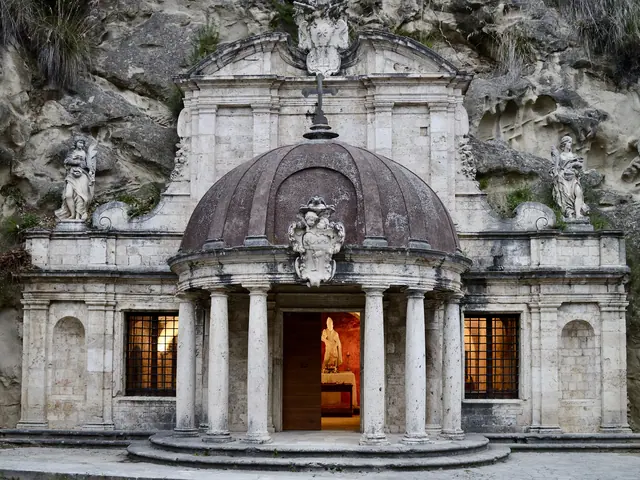 Small Temple of Sant'Emidio alle Grotte (Ascoli Piceno)Church · Ascoli Piceno · 800 m from the center
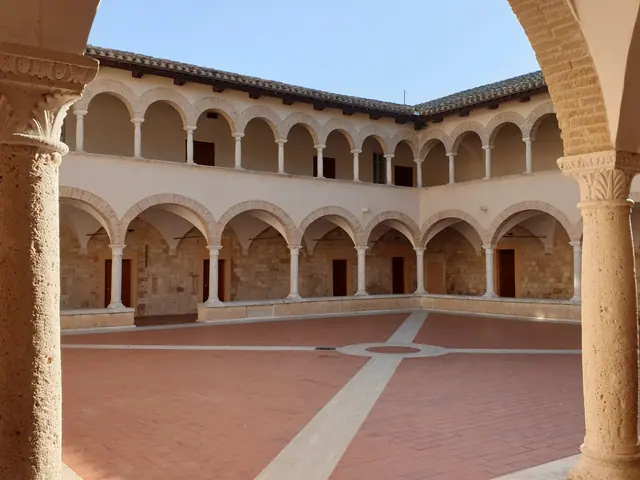 Church of Santi Pietro e PaoloChurch · Ascoli Piceno · 800 m from the center
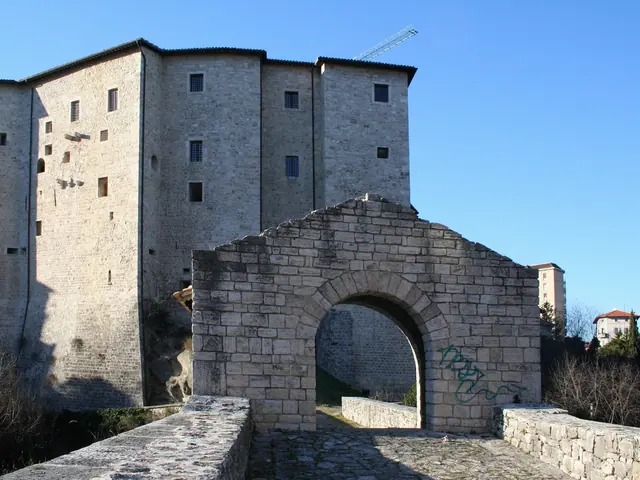 Fortress of the Ponte di CeccoCastle or fortress · Ascoli Piceno · 800 m from the center
- ChurchChurch of San Giacomo della Marca (Ascoli Piceno)Church · Ascoli Piceno · 1000 m from the center
- Monument or memorialStatue of Christ the Redeemer (Ascoli Piceno)Monument or memorial · Ascoli Piceno · 1.0 km from the center
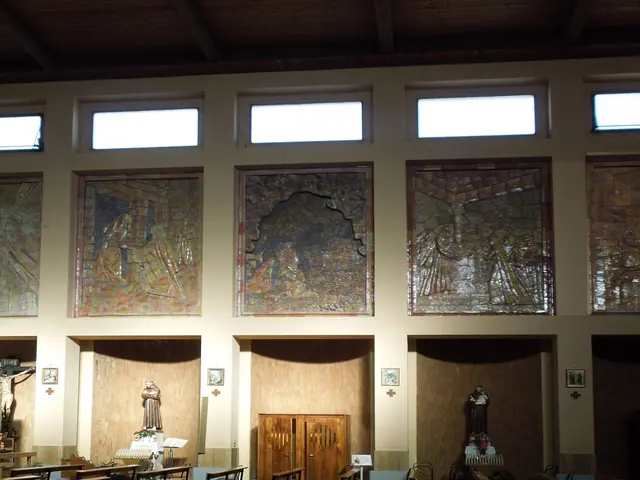 Church of Cuore Immacolato di MariaChurch · Ascoli Piceno · 1.1 km from the center
- ChurchChurch of Santa Maria delle Donne (Ascoli Piceno)Church · Ascoli Piceno · 1.2 km from the center
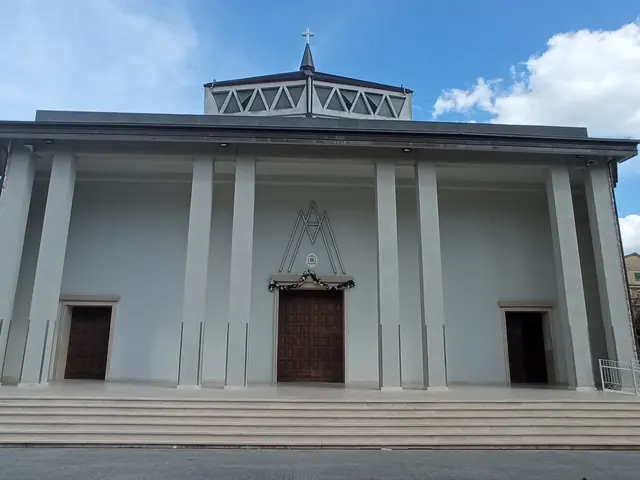 Church of Santa Maria Goretti (Ascoli Piceno)Church · Ascoli Piceno · 1.4 km from the center
- Church"Santissimo Crocifisso" Cemetery ChapelChurch · Ascoli Piceno · 1.6 km from the center
- Ruins or archaeological siteFornacetta, Ascoli PicenoRuins or archaeological site · Ascoli Piceno · 1.9 km from the center
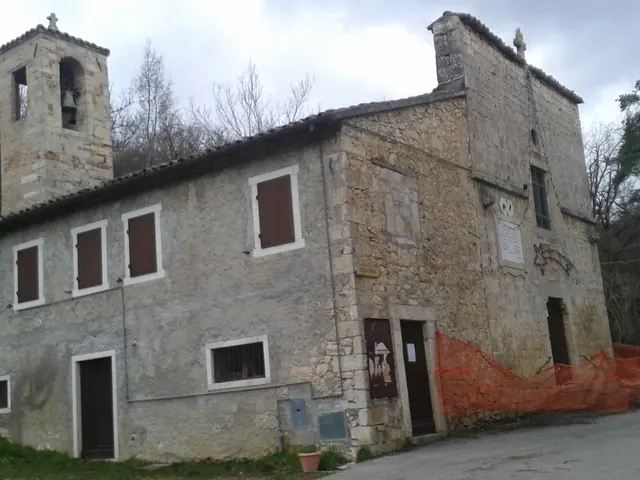 Church of San BartolomeoChurch · Ascoli Piceno · 1.9 km from the center
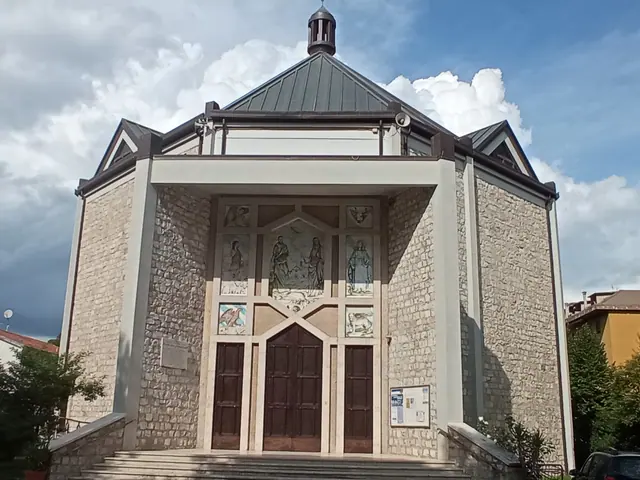 Church of Santi Filippo e GiacomoChurch · Ascoli Piceno · 2.0 km from the center
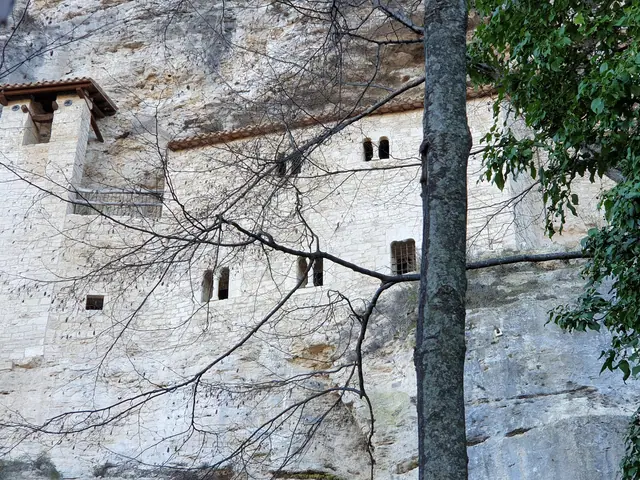 Hermitage of San MarcoChurch · Ascoli Piceno · 2.3 km from the center
- Ruins or archaeological siteConvent of San Lorenzo (Ascoli Piceno)Ruins or archaeological site · Ascoli Piceno · 2.7 km from the center
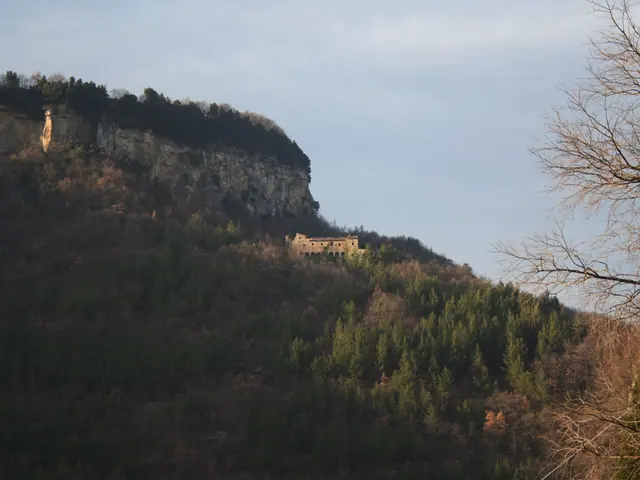 Hermitage of San GiorgioChurch · Ascoli Piceno · 3.7 km from the center
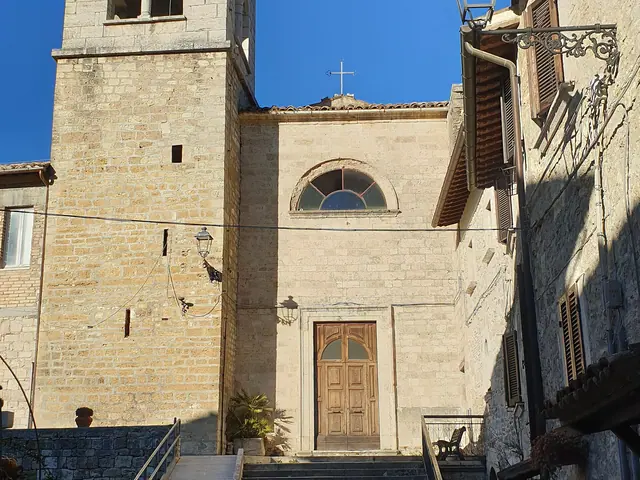 Church of San Lorenzo Martire (Ascoli Piceno)Church · Ascoli Piceno · 3.9 km from the center
- Ruins or archaeological siteLombard Necropolis of Castel TrosinoRuins or archaeological site · Ascoli Piceno · 4.0 km from the center
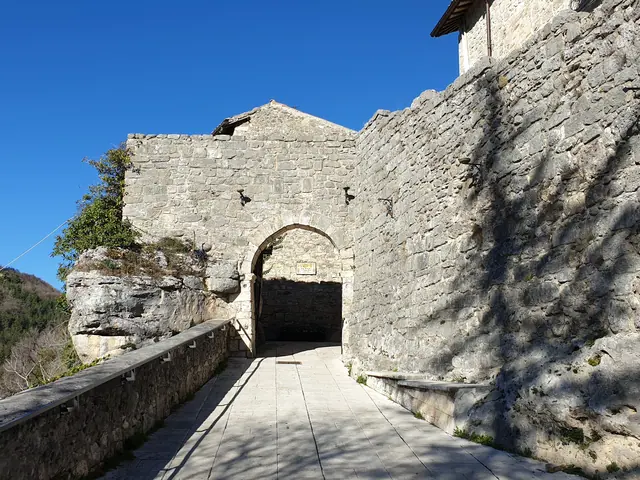 Porta Castellana, Ascoli PicenoCastle or fortress · Ascoli Piceno · 4.0 km from the center
- LakeLago di CavignanoLake · Ascoli Piceno · 4.5 km from the center
- Ruins or archaeological siteFornace, Ascoli PicenoRuins or archaeological site · Ascoli Piceno · 4.5 km from the center
- Ruins or archaeological siteCaciara, Ascoli PicenoRuins or archaeological site · Ascoli Piceno · 4.7 km from the center
- ChurchChurch of Maria Santissima AssuntaChurch · Ascoli Piceno · 4.8 km from the center
- ChurchChurch of San Benedetto AbateChurch · Ascoli Piceno · 5.0 km from the center
- ChurchChurch of Santa Rita (Ascoli Piceno)Church · Ascoli Piceno · 5.3 km from the center
- Castle or fortressMontadamo Bastion (Ascoli Piceno)Castle or fortress · Ascoli Piceno · 5.4 km from the center
- ChurchChurch of Santi Cosma e DamianoChurch · Ascoli Piceno · 5.7 km from the center
- ChurchChurch of San Michele Arcangelo (Ascoli Piceno)Church · Ascoli Piceno · 5.8 km from the center
- Castle or fortressRuins of the Tronzano Fortress (Ascoli Piceno)Castle or fortress · Ascoli Piceno · 5.8 km from the center
- ChurchChurch of San Flaviano (Ascoli Piceno)Church · Ascoli Piceno · 7.2 km from the center
- Castle or fortressCasalena, Ascoli PicenoCastle or fortress · Ascoli Piceno · 7.2 km from the center
- Castle or fortressCartofaro CastleCastle or fortress · Ascoli Piceno · 8.7 km from the center
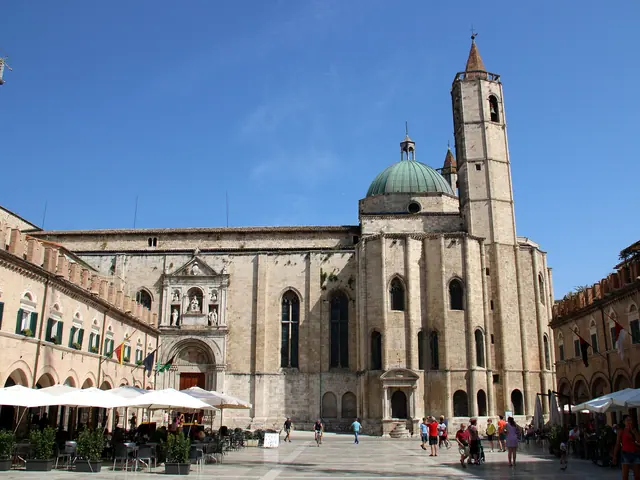 Piazza del Popolo in Ascoli PicenoGuide
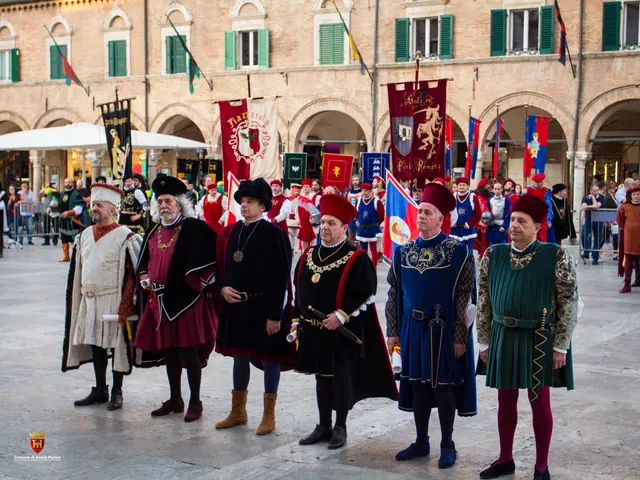 Quintana di Ascoli, Ascoli PicenoGuide
No results with these filters.
On the map
Points from the site database. Map © OpenStreetMap contributors · Protomaps.
Things to do in Ascoli Piceno: the best areas
Most of the monuments of Ascoli Piceno are in five areas: Piazza Arringo, Piazza del Popolo, the Ponte di Cecco with Malatesta Fort, the Roman area of Porta Gemina and, outside the city, Colle San Marco.
Piazza Arringo is the oldest square in Ascoli Piceno. Here stands the Cathedral of Sant'Emidio, built between the 11th and 12th centuries and later enlarged, which keeps the relics of the patron saint in its crypt. Next to it is the octagonal Baptistery of San Giovanni, a national monument since 1890. The Palazzo dell'Arengo, the town hall, houses the Civic Art Gallery (civic art gallery), founded in 1861. It displays over 800 works, including Carlo Crivelli's Valle Castellana triptychs and Titian's San Francesco. Its most famous piece is the 13th-century English cope donated in 1288 by Pope Nicholas IV. It was stolen in 1902 and returned to the city thanks to the banker John Pierpont Morgan, who had bought it on the art market.
Piazza del Popolo has been pedestrian and paved in travertine since 1507. It is surrounded by porticoes and overlooked by the Palace of the Captains of the People. The church of San Francesco also faces the square; begun in 1258 and consecrated in 1371, it has the Loggia dei Mercanti (Merchants' Loggia) of 1513 built against it. On the via del Trivio side, next to the church door, are travertine colonnettes shaped like organ pipes. They are hollow and, when struck with the hand, give off different sounds.
Ponte di Cecco and Forte Malatesta. The Roman bridge over the Castellano stream owes its name to a legend: Cecco d'Ascoli is said to have built it in a single night with the devil's help. Above the bridge rises Forte Malatesta. It takes its name from Galeotto Malatesta, who strengthened it in 1349. In 1543 Antonio da Sangallo the Younger rebuilt it in the shape of an irregular star. Since 2014 it has housed the Museo dell'Alto Medioevo (Museum of the Early Middle Ages).
Roman Ascoli. On the western edge of the historic center, Porta Gemina marks the point where the Via Salaria entered the city. It dates from the Augustan age, is made of travertine blocks, and its two arches survive. The Augustan bridge of Borgo Solestà, from the 1st century BC, has an arch more than 22 meters wide.
Colle San Marco. South of the city, near the hamlet of Piagge, the Hermitage of San Marco (13th century), a hermitage, is built against the rock face of the hill. It is reached by a stone staircase that crosses the ravine like a bridge, and the hermitage can also be seen from Piazza del Popolo.
Things to do in Ascoli Piceno: the map of sights
The map gathers the places to visit in the municipality of Ascoli Piceno: churches, museums, gates, fortresses, hermitages and hamlets. Most are in the historic center, enclosed between the Tronto river and the Castellano stream, which are crossed by seven bridges within the city. Many sights are therefore just a few steps from one another.
Outside the center are Colle San Marco and the village of Castel Trosino. Here in 1893, during farm work, a Lombard necropolis was discovered by chance.
Things to do in Ascoli Piceno: how to choose
With just one day, it is best to stay in the historic center. Start at Piazza Arringo, with the Cattedrale di Sant'Emidio, the Battistero di San Giovanni and the Pinacoteca, then move on to Piazza del Popolo. Finish at the Ponte di Cecco and Forte Malatesta. The full route is on the page Ascoli Piceno.
The rest depends on your interests. Archaeology lovers can follow the Salaria from Porta Gemina to the Augustan bridge. For the Early Middle Ages, head to Forte Malatesta, which displays the grave goods from Castel Trosino (6th-8th century).
The time of year matters too. The Quintana, the horseback joust between the city's six sestieri (districts), is run on the second Saturday of July and the first Sunday of August. It is preceded by a historical parade with about 1,500 costumed participants.
The 2016 earthquake made several buildings and churches in the center unsafe. The church of San Giacomo Apostolo, closed after the earthquake, reopened in October 2024. For the Church of Madonna del Ponte, funds for repairs were allocated in 2024. Before visiting the smaller churches, it is worth checking whether they are open. The Eremo di San Marco is usually closed to the public.
Places to stay are listed on the page where to stay in Ascoli Piceno, and restaurants on the page where to eat in Ascoli Piceno.